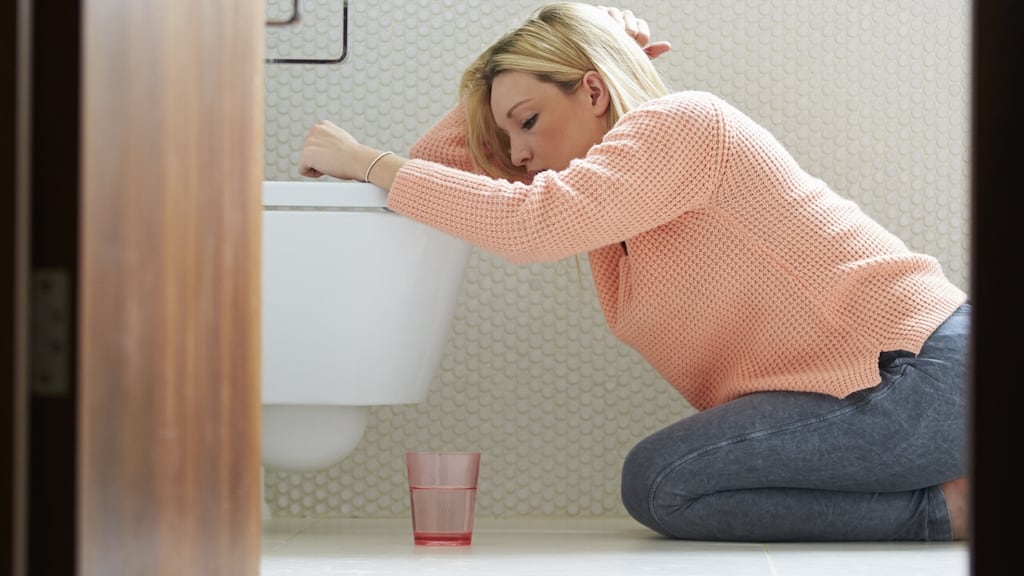
News emerged this week of cases of norovirus rising more than 50 per cent in the past week, while outbreaks of the virus in hospitals have also risen, putting extra pressure on the healthcare system and workers.
What is norovirus?
More commonly known as the winter vomiting bug, norovirus is a highly contagious virus that causes rapid-onset, severe vomiting and diarrhoea.
It is typical for cases of the virus to increase around this time of year. For many people, the illness is unpleasant but mild, but it can be very serious for older adults, young children and people with underlying health conditions.
How widespread is it at the moment?
A total of 676 cases of it have been notified this winter to date, but in the week ending February 7th, the most recent data available, 86 cases were notified – up more than 50 per cent when compared to the previous seven days.
READ MORE


Cases have been identified in people aged 16 to 64, according to the Health Protection Surveillance Centre, but the median age of those with the virus are 46-year-olds.
What should I do if I contract it?
Dr Eimear Brannigan, Health Service Executive national clinical lead for antimicrobial resistance and infection control, said for most people it passes without any treatment.
“It can usually be managed at home – drinking plenty of fluids is usually all that is needed,” she added.
How can I prevent the spread of infection?
In some cases, it can be next to impossible to avoid contracting the virus. But there are some steps recommended by the HSE to help lower your risk of spreading or contracting it.
According to the health service, people should stay home from work or school for at least 48 hours after their symptoms have passed. Patients should also avoid visiting anyone in hospital or care homes, or going out to socialise while sick, and for 48 hours afterwards.
People should wash their hands frequently and thoroughly with soap and water and disinfect any surfaces or objects that could be contaminated or soiled.
Any items of clothing or bedding that could have become contaminated should be washed separately in a hot wash to ensure the virus is killed. And households should avoid sharing towels and face cloths if the virus is in the home.
Should I visit the hospital or doctor if I think I have norovirus?
If you have vomiting or diarrhoea, you should try to avoid visiting the emergency departments, according to the HSE. Instead, talk to your pharmacist or GP by phone to prevent the spread of infection.
“It is important not to bring norovirus into health or care settings; if staff become infected, this can lead to disruption of service or closure of premises. If vulnerable patients become infected, the consequences can be very serious,” said the organisation.
It added that if a person is really unwell, they should not delay going to the emergency department. However, they should advise reception staff immediately that you have vomiting and diarrhoea so they can take precautions to minimise the risk of spreading the illness.


