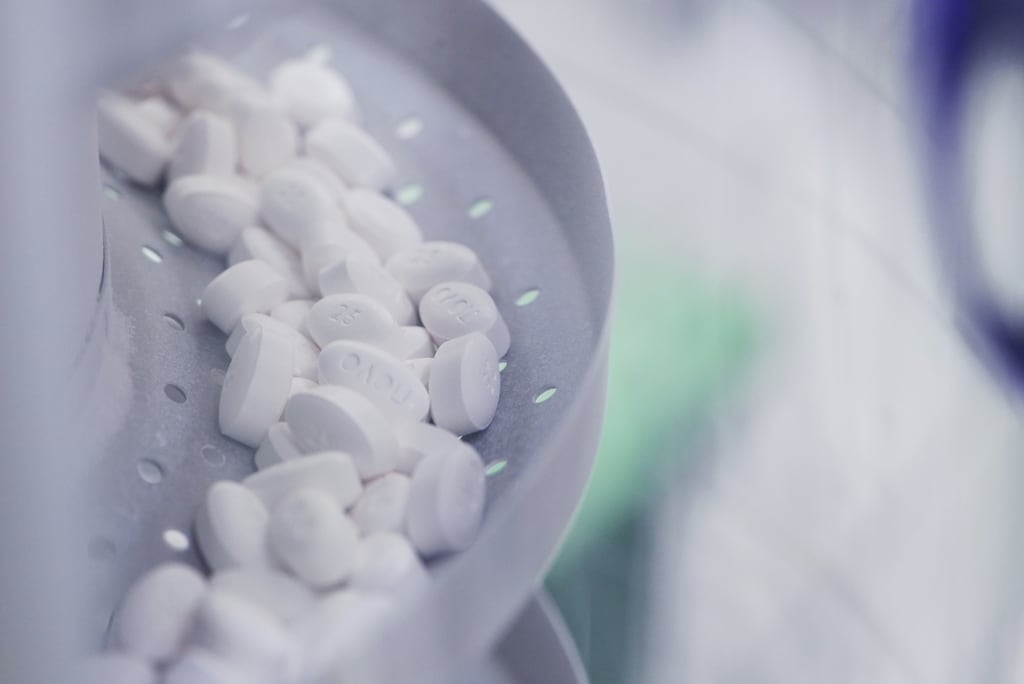
Novo Nordisk’s newly approved weight-loss pill version of Wegovy will be a test case for the fast-growing cash-paying consumer market, with plans for the first highly effective oral treatment to go straight to US self-pay channels in early January.
The pill was granted US Food and Drug Administration approval on Monday, a boost for Danish drugmaker Novo as it looks to claw back ground lost to US rival Eli Lilly.
A key part of making it a success will be attracting cash-paying consumers, a stark shift from a business model where drug pricing is managed through health insurance plans, which has dominated for decades. Under a deal with the Trump administration in November, Novo and Lilly agreed to sell starter doses of their weight-loss pills, if approved, for $149 a month to US Medicare and Medicaid patients and cash-paying customers who cannot get insurance coverage for the medications.
“We have a self-pay offer from day one for US patients,” David Moore, Novo’s executive vice president for US operations, told Reuters in an interview ahead of the pill’s approval. Novo plans to launch the Wegovy pill on multiple channels - including retail pharmacies such as CVS and Walmart, online platforms like GoodRx and telehealth partners including Ro and WeightWatchers - so people can start treatment without waiting for insurance coverage, he said.
The share of US Wegovy prescriptions - until now injectable versions - via self-pay channels has jumped from about 5 per cent to double digits this year, Mr Moore said.
The focus on cash-paying consumers aims to revive Novo’s slowing sales growth and turbocharge the next stage of expansion for the wider market. Novo has lost hundreds of billions of dollars in market capitalisation since mid-2024 amid rising competition.
“We’ve never launched this way before,” Mr Moore said.
In the past, “the mindset was more traditional – the product is available, you wait for insurers to cover it, and it’s at the retail pharmacy”, he said.
Novo is facing intensifying competition from Lilly’s rival obesity drug Zepbound, known outside the US as Mounjaro, and pressure from cheaper, unapproved compounded versions of semaglutide, the active ingredient in the Wegovy injection and pill. Lilly is awaiting US approval for its weight-loss pill, which could come as early as March.
Novo hopes the once-daily oral dose of Wegovy could be a turning point in attracting people who were not motivated to start treatment with GLP-1 injections.
Novo’s US medical head, Dr Jason Brett, told Reuters that the pill could broaden access by giving doctors more choice in what they prescribe, and help “meet patients where they are” via telehealth.
“We need ways to keep patients on these medicines long term, and an effective oral preparation could help us do that,” said Dr W. Timothy Garvey, a professor of medicine at the University of Alabama at Birmingham and obesity researcher who worked on clinical trials for the Wegovy pill.
Novo does not expect the pill to cannibalise its injectable Wegovy business. Analysts and industry executives also do not expect oral GLP-1s to fully replace injections, but say pills could capture 20 per cent of the global obesity drug market by 2030.
“There are people who are needle-phobic, people who develop ‘injection fatigue,’ and people who don’t see themselves as sick and feel an injectable is too serious,” said Zachariah Reitano, chief executive of telehealth company Ro.
“For all of them, a pill is a much easier on-ramp.” - Reuters


