

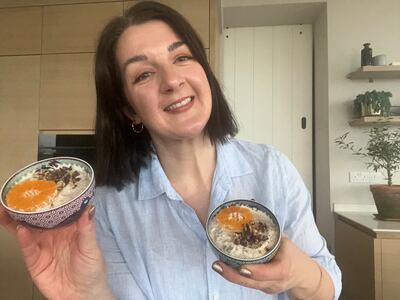
To showcase yogurt’s everyday versatility, the National Dairy Council has partnered with Irish food writer and influencer Lilly Higgins on a new recipe series that puts yogurt at the centre of home cooking. Known for her seasonal, approachable style, Higgins regularly uses yogurt in her own kitchen and values it for both flavour and function.
“Yogurt is one of those ingredients I always have in the fridge,” says Higgins. “I love how versatile it is, you can use it to add creaminess and freshness, balance spices, or bring a lightness to dishes without overpowering other flavours. Whether I’m cooking for myself or developing recipes, yogurt is something I come back to again and again.”
This everyday appeal is reflected in how people use yogurt across the day. A survey conducted by Potloc last year found that, among respondents across Ireland, Denmark, Belgium and Germany, natural yogurt is most commonly eaten at breakfast, as a snack or a dessert, highlighting its flexibility from morning bowl to an after-dinner bite.
The recipe series features four dishes, one for each mealtime, all demonstrating different ways yogurt can be used:
READ MORE


- Breakfast: yoghurt pots with ground nuts, seeds and raspberries.
- Lunch: baked sweet potato, smoky paprika chickpeas, herbed yoghurt and pink pickled onions.
- Dinner: yoghurt tzatziki with beetroot, lamb kofta and turmeric couscous.
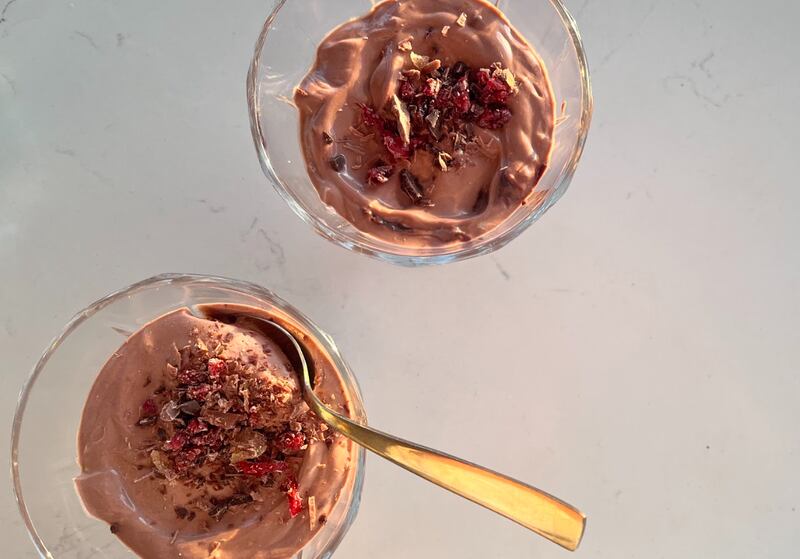
- Dessert: two ingredient chocolate yoghurt mousse.
From refreshing breakfasts to comforting dinners and simple desserts, the recipes reflect why many people reach for plain natural yogurt in particular. The Potloc research shows that people choose plain yogurt for a combination of nutritional content, its association with gut health, versatility, taste and high protein, making it a dependable ingredient for everyday cooking.
Ireland’s reputation for high-quality dairy is rooted in the work of its farmers, who produce milk from grass-fed cows and uphold strong traditions of care, sustainability and animal welfare. You can learn more about the farmers behind Irish dairy and their day-to-day work by visiting the National Dairy Council’s Farmer Ambassador webpage, which shares real stories from farms across the country.
Higgins also appreciates the connection between Irish dairy, local communities and the people behind the produce. “There’s something really reassuring about knowing where your food comes from,” she says. “Yogurt begins with Irish dairy farmers who take great care in producing high quality milk from grass-fed cows, and that care really shows in the final product”.
Sustainability also continues to shape how people think about food choices. When Irish consumers consider eating more sustainably, the Potloc survey found that they prioritise small, practical steps, such as reducing food waste, eating more vegetables, recycling more, choosing seasonal foods and supporting locally produced products, areas where dairy and yogurt naturally fit into everyday routines.
The survey showed that almost three in four Irish consumers (74 per cent) say dairy plays an important role in what they eat. The same research shows that, choosing, buying and the demand for yogurt tends to cluster around three familiar styles: high-protein, flavoured and low-fat, reflecting both taste preferences and nutritional priorities of consumers.
Alongside its culinary appeal, yogurt also offers important nutritional benefits. According to Dr Mary Harrington, senior nutritionist at the National Dairy Council, yogurt plays a valuable role in a healthy diet.
“It’s not just versatile and great tasting,” says Harrington, “but plain yogurt is a nutrient-rich food that can help you shortcut to a healthy balanced diet. For example, a 125g pot of yogurt provides 7g of protein and an impressive 53 per cent of your daily needs for iodine. Yogurt is included in the Department of Health’s food pyramid, and it’s an important part of a healthy balanced diet.”
The recipe series reflects a shared focus on simple, nourishing food and the role yogurt can play in everyday meals. It is available on Instagram, offering fresh inspiration for bringing yogurt into home cooking.
The Department of Health’s Food Pyramid advises three servings from the “milk, yogurt and cheese” food group each day as part of a healthy, balanced diet. A 125g serving of yogurt is a source of protein, which contributes to the growth in muscle mass, and iodine, which contributes to normal cognitive function. Yogurt also naturally contains calcium, vitamin B2 and phosphorus


