
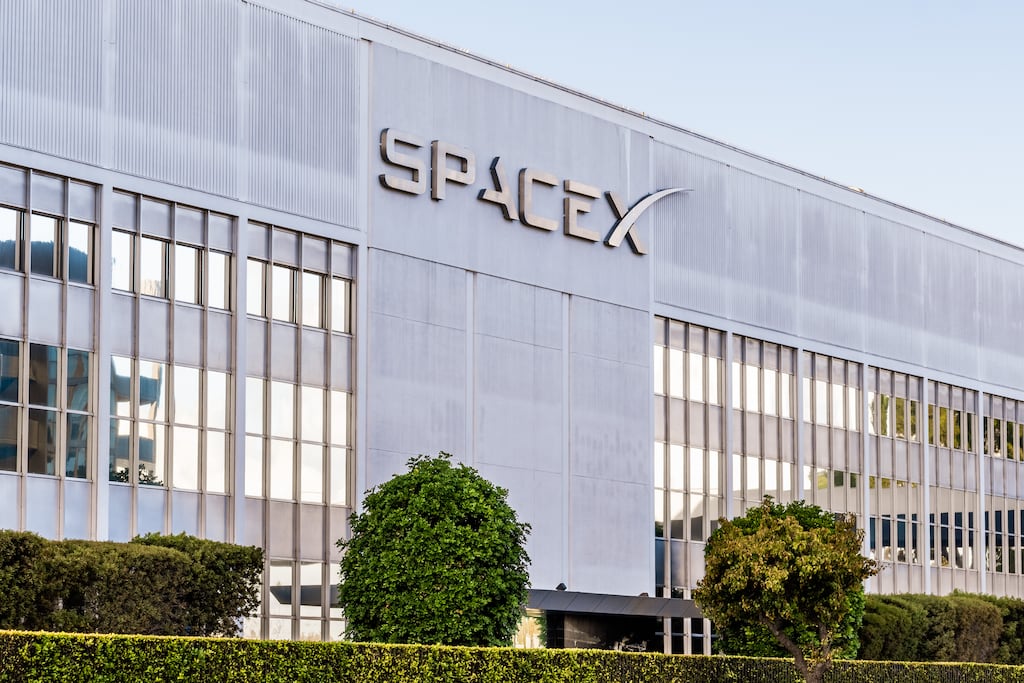
SpaceX has achieved a remarkable feat: its shares have already fallen back to Earth.
Shares slipped below their $135 (€118) listing price less than a month after SpaceX’s blockbuster IPO (initial public offering), wiping more than $1 trillion from their peak market value. Demand for the much-hyped stock drove shares as high as $225 within days of going public, but it’s been downhill ever since.
SpaceX may still, as its devotees insist, transform industries from satellite communications to space infrastructure, but there is a reason Wall Street types joke that IPO stands for It’s Probably Overpriced.
Data from IPO expert Jay Ritter shows that almost half of large IPOs were trading below their IPO price three years later.
READ MORE


This should not be surprising. Even without the benefit of decades of IPO data, it seems unlikely that the moment when everyone is most excited about a stock will also be the moment when it is most attractively priced.
There is also a lesson here for index providers. The S&P 500 requires companies to have been publicly traded for at least a year before inclusion, allowing time for genuine price discovery.
Nasdaq, however, fast-tracked SpaceX into the Nasdaq-100, forcing passive funds to buy shares shortly after launch. Many other index providers took the same approach.
Index investing may remove emotional decisions from investors, but changing the rules for the hottest companies risks turning passive funds into momentum chasers.
SpaceX’s shareholders are learning that waiting can be valuable. Perhaps index providers should too.