

When it comes to renovating, spending more doesn’t always lead to a better result. Expensive finishes, bespoke fittings and elaborate design features can quickly eat into a budget, but they don’t always make a home look or function any better. In fact, sometimes a simpler, less expensive solution can be far more effective. The trick is knowing where to spend, where to save, and how to make every euro count.
Find alternatives
Achieving a high-end look doesn’t necessarily mean choosing the most expensive materials. More affordable alternatives can often achieve a similar result.
Polished concrete floors are a good example. They can look fantastic, but achieving a good finish requires specialist contractors, careful preparation and the right site conditions. They’re not always as economical as they appear. Poor installation can also increase the risk of cracking over time. If you want a contemporary, seamless look, large-format porcelain tiles with minimal grout joints can create a similar effect, often at a lower overall cost and with fewer complications.
The same principle applies to other finishes. Before committing to an expensive material, explore what alternatives are available. You might be surprised by how closely some can replicate the look you want, without the added cost.
READ MORE


Devil’s in the detail
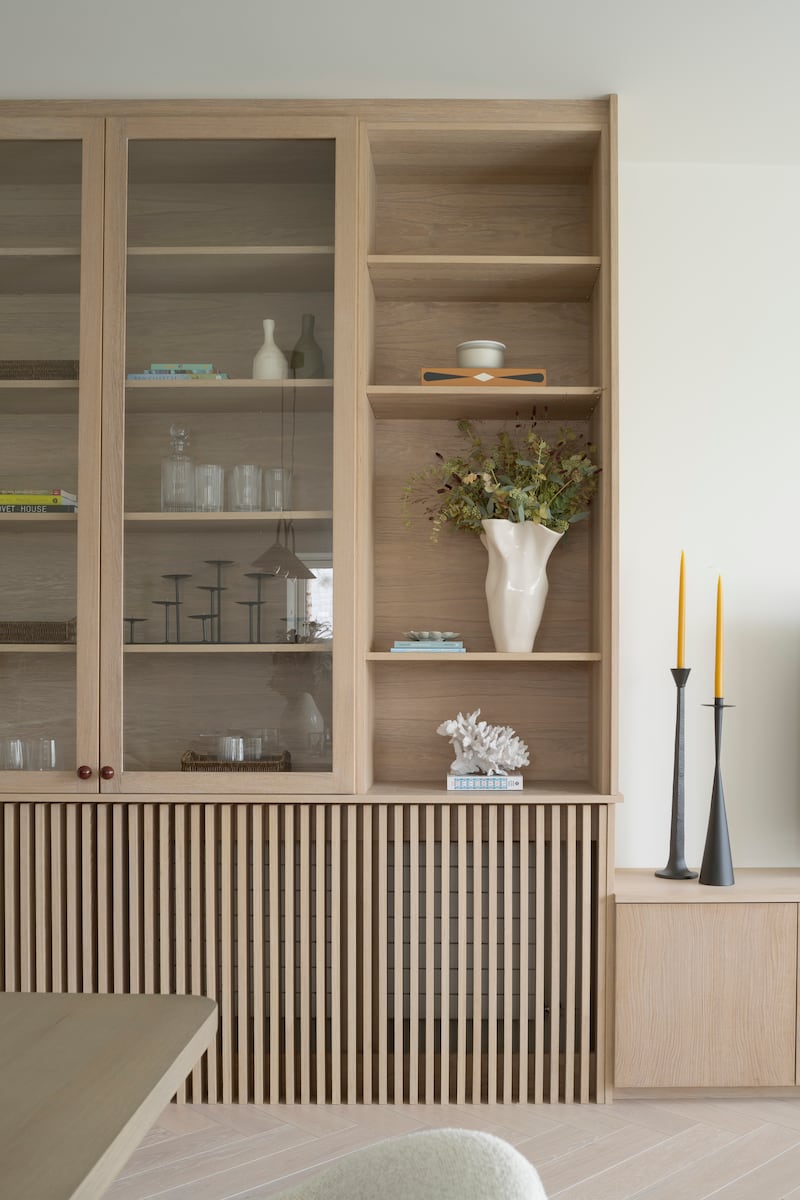
The quality of the finish matters far more than the price of the product. An expensive kitchen that’s poorly fitted will never look as good as it should, whereas a relatively inexpensive kitchen, carefully installed, can look far more luxurious than its price tag might suggest.
The same applies to fitted furniture. Off-the-shelf wardrobes can be made to look bespoke by building them into the room and neatly filling the gaps above and around them so they appear to be part of the space. With careful finishing, you can achieve a seamless, built-in look at a fraction of the cost of bespoke joinery.
Pay particular attention to workmanship quality when choosing tradespeople. Ask to see examples of previous projects and look closely at the standard of finishing and attention to detail. These small things make an enormous difference. Often, it’s the quality of the workmanship rather than the cost of the materials that gives a home that extra polish.
Clever glazing
Windows and rooflights can account for a significant portion of a renovation budget, so it’s worth thinking carefully about where and how they’re used.
Non-standard sizes, oversized glazing and bespoke finishes can all add considerably to the cost. Even choosing different colours for the inside and outside of your windows can push up the price. Sticking to standard sizes and specifications wherever possible is a simple way to save without compromising the overall design.
[ Managing your own home renovation? Here’s what you need to knowOpens in new window ]
It’s also worth being selective about how much glazing you add. Large, flush-glazed rooflights can look fantastic, but they’re expensive, and more isn’t necessarily better. One carefully positioned rooflight can have far more impact than several dotted across a ceiling.
The same applies to windows. Too much glazing can leave you short of valuable wall space for furniture and storage, while also increasing the cost. Rather than adding windows wherever there’s an opportunity, think about where natural light is most needed, which views are worth framing and how the room will be furnished. Often, a few well-positioned windows will create a much better result than glazing every available wall.
Rethink lighting
Lighting is another area where costs can quickly add up, often unnecessarily. There’s a tendency to fill ceilings with rows of recessed downlights, without giving enough thought to how the space will actually be used. But more lighting doesn’t necessarily mean better lighting. Too many downlights can leave a room feeling flat and overly bright, rather than warm and inviting.
A smaller number of carefully positioned fittings, combined with table lamps, floor lamps and under-cabinet lighting, can create a much more comfortable and atmospheric space. Fewer recessed fittings also mean savings on the fittings themselves, wiring and installation.
Be selective with decorative lighting too. A beautiful pendant over a dining table can make a real statement, but not every room needs an expensive feature light. One or two standout pieces can have far more impact. The key to good lighting isn’t how many fittings you have, but how thoughtfully they’re positioned and used.
Make a statement
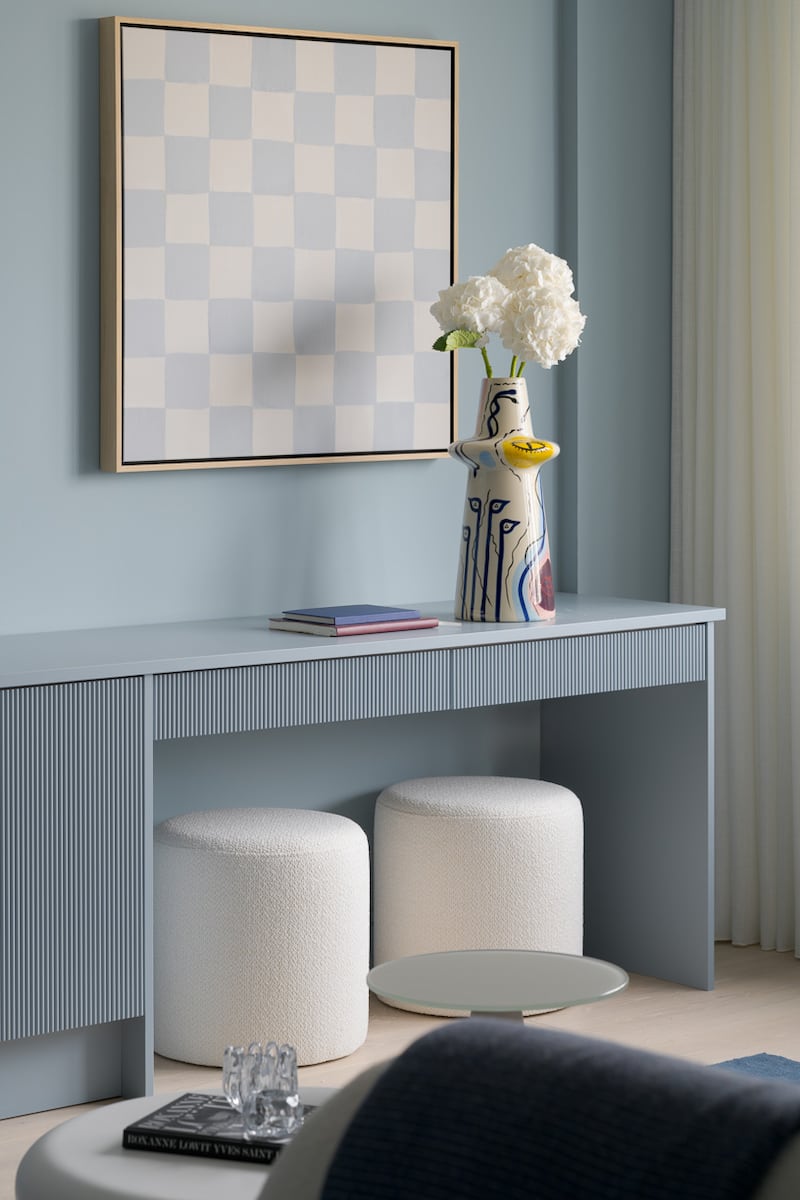
When it comes to interiors, spending more doesn’t necessarily mean achieving a better result. Much like fashion, you don’t need to be dressed head to toe in designer labels to look stylish. A few timeless, good-quality pieces mixed with more affordable basics can create a far more sophisticated look.
The same principle applies to your home. Expensive finishes, bespoke joinery and statement lighting all have their place, but using them everywhere can be overwhelming. When everything is competing for attention, nothing really stands out.
Instead, choose where to make an impact. A beautiful piece of joinery, a striking light fitting or a beautiful piece of art can become a focal point, while simpler, more affordable elements provide balance.
Ultimately, good design isn’t about how much you spend, but knowing where to invest and, just as importantly, when to hold back. Sometimes a little restraint can make a home look far more expensive than it is.