
Kimberly Osborne lost her job when US president Donald Trump was elected to his second term in office in 2024. At the time, she was the gender adviser to the US air forces in Europe and Africa, stationed at Ramstein Air Base in southwestern Germany.
“When Trump took office, the United States said that they’re no longer going to acknowledge diversity, equity and inclusion (DEI). Then there was a second executive order that said we don’t acknowledge gender – your biological sex that you are born with is the way you identify. In an abundance of caution, the air force decided that my position was not something they needed to be doing,” Osborne says.
She had only taken up her position 18 months before when she had uprooted her life in the US and bought a house in Germany near the air base.
“My family and friends said, if you can stay in Europe, stay in Europe.”
READ MORE


Just before Osborne’s job ended, an old colleague approached her and asked her to co-moderate a panel for the Kennedy Summer School in New Ross about whether Ireland should join Nato.
“No one thought Ireland should join Nato, but it was mostly an academic discussion, with some people for and some people against.”
She has extensive experience in foreign and international affairs throughout her varied career, having previously been the top-ranking civilian communications adviser to the Afghan national army, taught communication, leadership and disaster management to the ministry of social welfare, relief and resettlement in Myanmar, and held an endowed professorship at Purdue University, where she taught strategic communication and political science.
Shortly after the New Ross event, she was hired as the education director of a small non-profit.
“I live in Blackrock, in Dublin. I didn’t know where Blackrock was before moving here. It could have been Timbuktu but it’s a very lovely place to live.”
When she arrived in Dublin, Osborne moved into an apartment that she had never seen before. From Germany, she found a place on the property website daft.ie and got a friend who happened to be visiting Dublin to go and look at it for her.
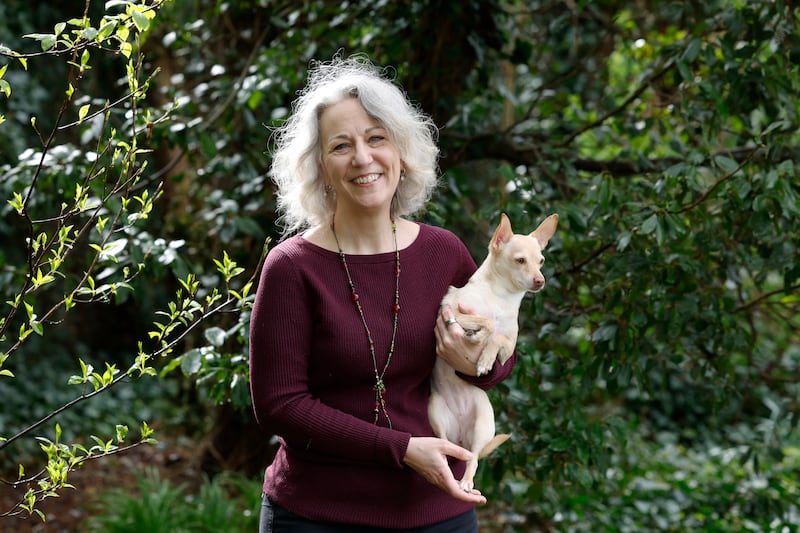
“My friend said that it was beautiful, brand-new construction. She said, I would live there. I was like, okay, I’m going to tell them I’m taking the apartment because I’ve heard that it’s hard to find apartments.”
While the circumstances of her move to Ireland were far from ideal, Osborne, who was born and raised in Detroit in the US, said she had been looking for a place to call home.
“When I was offered this opportunity, and from my very positive experience at the Kennedy Summer School ... I thought wow, maybe Ireland is it.”
Osborne had made quite a few Irish friends when she attended the Kennedy Summer School, and that made her feel a bit more comfortable about her move. Unlike other Americans who have moved to Ireland, she has no ancestral or familial links to Ireland.
I said to the maintenance guy, it’s a half an hour walk away. He said, that’s a good walk and that it was normal. I have no problem getting my 10,000 steps a day
From her first day in Ireland, she says, she noticed how polite people were.
“Someone told me that’s because of how important relationships are. And that it’s a small country, so you never know whose nephews, brothers, cousins or uncle you could be talking to.”
An adjustment that Osborne feels she has had to make in terms of working in Ireland is that business is done through who people have a prior relationship with.
“The way that we communicate at work is very relationship-based. You call the person who you worked with on that project before, even though there might be someone else who is in the direct chain of command who would be the person who would normally handle that.”
She has found that making friends is done in a similar way, where people around Osbourne have introduced her to people who have similar interests, or that they believe she would get on with.
“It’s great, but it also means you need to give time to let those relationships evolve. Sometimes, especially through the winter, I was feeling kind of lonely.”
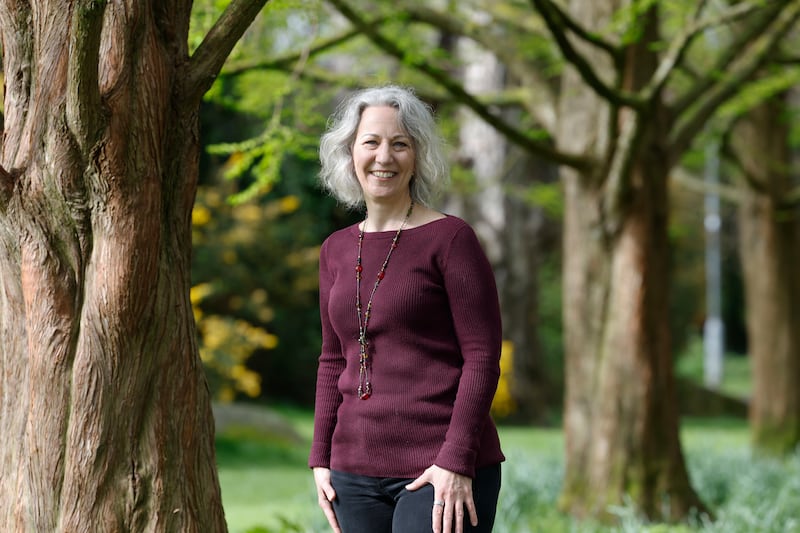
She recently joined the Royal St George Yacht club in Dún Laoghaire to have a community and meet new people.
“I think people here are very welcoming,” she said.
Another culture shock for Osborne has been how much walking people do in Dublin. When she first arrived, she asked her building’s maintenance man how to get to a particular place, as she could not find a clear route on public transport.
“I said to the maintenance guy, it’s a half-an-hour walk away. He said that’s a good walk and that it was normal. I have no problem getting my 10,000 steps a day.”
Osborne says in Ireland she sees older people walking in the park by her home, whereas in the US, older people are not seen out walking or exercising as much.
“Everybody drives places.”
Though she has been in Ireland for less than a year, she is already planning to stay long-term and hopes to become an Irish citizen one day.
We would like to hear from people who have moved to Ireland in the past 10 years. To get involved, email newtotheparish@irishtimes.com or send us two lines about yourself using the form below.


