
The census was taken on April 18th, 1926. Those who filled it out did so on what was, judging by the headlines, an eventful weekend. There were newspaper reports of a £20,000 jewel robbery from Mount Juliet estate in Co Kilkenny and the ongoing saga of the La Mancha house murders, where six people had been killed in Malahide, Co Dublin.
Sensational headlines about arrest warrants issued for individuals in Paris involved in narcotics trafficking sat alongside announcements about the tax rates and spending allocations expected in the Irish budget due the following week. Allegations of communist activism during a political meeting in Dublin appeared on the same page as news of street litter fines in Munich, Germany, and road-traffic deaths in Alberta, Canada. The latest updates from the United States Senate committee hearings on the prohibition of alcohol in the US and the threat of coalminers striking in Britain were also reported that weekend.
More lighthearted happenings were also covered. Sightings of a large badger in Monaghan led to rumours that a bear was on the loose. In Dublin on Saturday April 17th two of the capital’s main soccer teams faced one another as Bohemians defeated Shelbourne in the Leinster Challenge Cup, horse racing took place at Leopardstown, and a group of men played a hockey match in skirts for charity in south Dublin.
On the same day a parade of Irish-made motor vehicles was advertised to start at 3:30pm on Abbey Street in the city centre, and a dance in Clerys ballroom nearby would take place from 8pm to midnight. The next day, April 18th, the Theatre Royal hosted a production of Verdi’s Il Trovatore in aid of St Mary’s Convalescent Home for Sick Children, Cappagh, organised by the Saint Michael and John’s Operatic Society.
READ MORE


Readers of the news that weekend were also presented with the consumer culture of the era. Advertisements had been placed in newspapers for the upcoming “shopping week” to be held in Waterford city in May 1926. There were also ads for the latest fashions and discounted sale prices at Dublin department stores such as Clerys, Switzers and Shaws. The Hughes brothers, the owners of Hazelbrook farm in Rathfarnham, just outside the city, promoted their new product, HB ice cream, first manufactured in 1926, in newspapers on census weekend (and throughout the year). Advertisements for branded products – both Irish and international – including Fox’s Glacier Mints, Kraft Cheese, Lipton’s Tea, Fry’s Chocolate Cream tablets and HP Sauce also appeared widely in newspapers.
Ferry listings between Dublin and Britain, and betting odds on horse races and football matches in England lined the inside pages of the newspapers on census weekend. Package deals to attend the upcoming FA Cup final in London’s Wembley Stadium were advertised, while the Irish Travel Agency on Suffolk Street in Dublin marketed a rather different package deal to travel to the Eucharistic Congress in Chicago in June 1926.
Whatever about trips overseas, there was also the weather at home. On Friday April 16th snow had been reported in parts of Ulster but the forecast for Saturday April 17th was for westerly winds (moderate to strong), occasional thundery showers, with some fair intervals at first, probably rainy later, rather cold, then becoming milder. As people across the country were reminded to move the clocks forward one hour for summer time on April 18th, they also prepared to fill out the first census to be taken in Ireland in 15 years.

The impending census was widely publicised well in advance. Civic, labour and religious leaders had been asked to refer to it in public at every opportunity. All primary schoolteachers were instructed to educate schoolchildren about the census. Letters were sent to large employers and factories with instructions on how to complete the form. Advertisements were placed in newspapers, and public lectures about census-taking were arranged. An information notice providing instructions on how to complete the census was broadcast on the Irish Free State’s new public radio station 2RN, on both the night before the census and again on census night itself, April 18th.
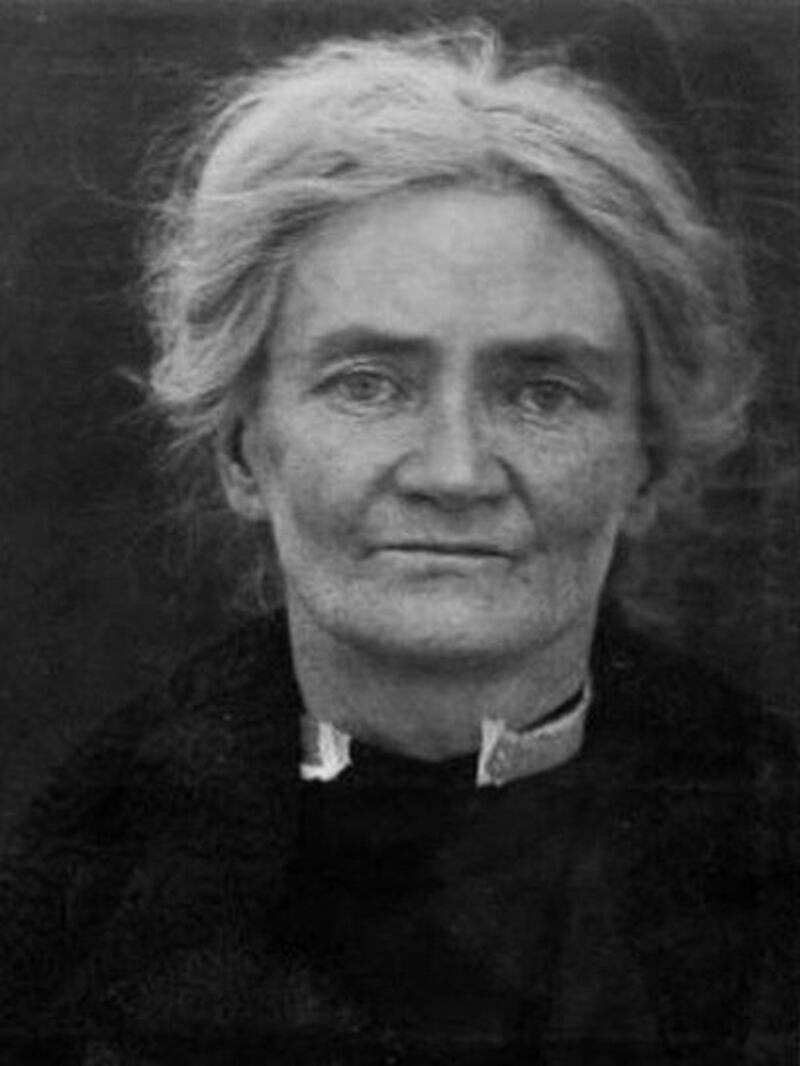
News headlines, listings of public events and advertisements from the weekend on which the census was taken reveal a world of social, cultural and political activity that is not immediately apparent in the census forms. The Irish person who garnered perhaps the most international attention in 1926 does not appear in the Irish census at all: on April 7th, Irish-born Violet Gibson had attempted to assassinate the Italian premier and fascist leader Benito Mussolini, 11 days before the census was held.
[ Frank McNally on a Dublin woman’s attempt to assassinate Mussolini, 100 years agoOpens in new window ]
Life in Ireland was not at a remove from events in other places, and the realities of everyday life experienced by those recorded in the census continued to shape people’s lives before, and long after, April 18th, 1926.
Two days after the census, on Tuesday April 20th, the Irish Free State budget for 1926 was announced. The budget was made under strict financial constraints as the new State tried to stay afloat. A decision was taken not to reduce taxes and duties on the sale of beer and spirits; however, a concession was made to bookmakers in the form of a reduction of the betting tax.

A 10 per cent reduction in the cost of tyres for motor vehicles had been announced by Dunlop on April 17th, and in the following week’s budget, tax on the sale of cars was reduced. It points to the growing number of automobiles on the road in the Irish Free State, as elsewhere. This also meant that traffic safety was an increasingly important issue: there were 131 reported deaths caused by vehicles in 1926 in the Irish Free State.
The Irish public engaged in a wide range of cultural and leisure activities that year. They went to the (silent) cinema – the big Irish film of 1926 was Irish Destiny, a fictional story about the Irish War of Independence written by Isaac Eppel, directed by George Dewhurst and released on March 24th, nearly a decade after the Easter Rising.
[ Here’s one thing to look forward to this year: the release of the 1926 censusOpens in new window ]
People enjoyed all kinds of sports events and matches, socialised at dances and had the world opened up for them through entertaining fiction for adults and children; that it might be too entertaining for some had been reflected in the formation of the Committee on Evil Literature on February 12th, designed to censure allegedly immoral and indecent publications, including British tabloid newspapers. But many publications were widely accessible. Excerpts of the Canadian-American author Hulbert Footner’s female detective novel The Under Dogs (1925) filled the column inches of the Irish Independent throughout April.
The 1920s – the “roaring twenties” – have become synonymous with the onset of the jazz age across the UK and the US. Ireland was no different. Traditional Irish music, central in the pre-independence cultural revival, remained a cornerstone of Irish life, although popular music and social gatherings at dance halls in towns and villages across the country were more popular. Live performances in hotels and social clubs were widely attended and became a prominent feature of Ireland’s cultural scene.
By 1926 gramophones were becoming more affordable and popular music was within greater reach for people across the country. One of the more popular songs of the year was renowned American composer Irving Berlin’s waltz Because I Love You. Various musicians, including Irish tenor Count John McCormack, recorded versions of this song. A musical note and lyrics from the song were scribbled on to the back of a census form in a household in the Dublin suburb of Ranelagh on April 18th, revealing a possible moment of joy or affection from census night, and encapsulating how a census form can capture a glimpse of the world that existed a century ago.
This is an edited extract from The Story of Us: Independent Ireland and the 1926 Census by Orlaith McBride and John Gibney, published by the Irish Academic Press


