

The first time Ciarán Ahern took paternity leave, he was working in the private sector. His employer topped up his salary, allowing him to take a month fully paid.
This time around, he is a Labour TD. The Houses of the Oireachtas have no provision in law for maternity or paternity leave, leaving fathers in his situation reliant on informal deals with political opponents.
“Sentimentally, it’s a beautiful time to be there. It was fabulous,” Mr Ahern said of his paternity leave experience for the birth of his second child, Daire.
“You want to spend time – we’ll be working our whole lives.”
READ MORE


He spent four weeks at home full-time with his wife Maeve O’Rourke, their older son Fionn (3) and their newborn.
But childcare is a lot of work too. “I felt all I was doing was cleaning the whole time, washing clothes, cleaning the house. It’s pretty basic stuff, but it’s important,” he said.
“I don’t know how single parents do it, genuinely, because you do need your partner. It’s so vital just to try and stay sane.”
He wanted to spend those early days at home and it was “arguably even more important this time because you’re keeping one child in school and clothed and fed. You have to split up nearly and take one apiece”.
The Dublin South-West TD is one of a small number including Fine Gael Minister of State John Cummins and Fianna Fáil’s Naoise Ó Cearúil who became fathers in the past year.
They faced a similar dilemma to Minister for Foreign Affairs Helen McEntee, the first Cabinet Minister to take maternity leave.
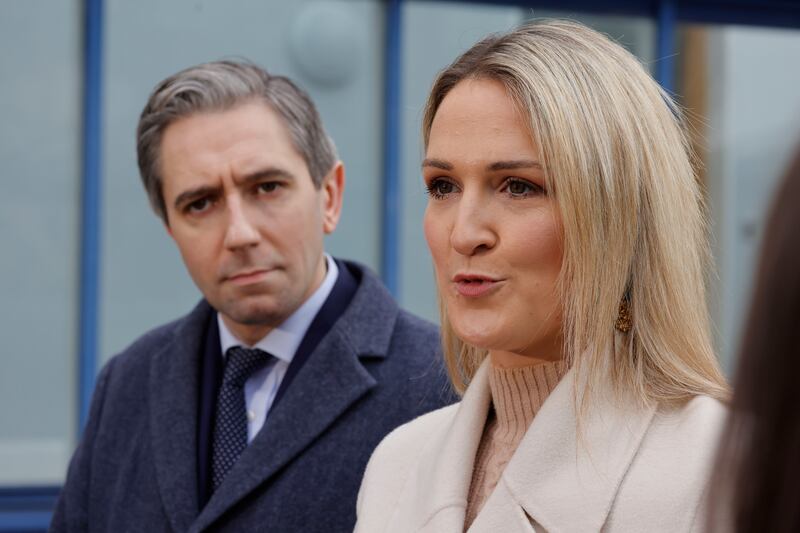
There remains no provision in law for maternity or paternity leave for TDs or senators.
Ms McEntee’s responsibilities were divided between other ministers. Social Democrats leader Holly Cairns offered a “pairing” arrangement, agreeing not to participate in votes for the duration of the Minister’s leave.
Ms Cairns took maternity leave when her baby was born on general election day in November 2024.
The same scenario applies for male colleagues. The current administration has a healthy majority and Mr Cummins did not need a pairing arrangement. Due in January, his son Seán arrived early and Mr Cummins has taken leave to be with his wife Inga and baby until the new year.
He said the Department of Housing, whips and party colleagues had been very supportive “and I’ve taken necessary meetings online”.
As a new TD, Mr Ahern wrote to Ceann Comhairle Verona Murphy about taking leave.
She set out the issues, including the Houses of the Oireachtas Commission not having the statutory power to provide for paternity leave.
Members are not employed by the commission and “may not avail of certain employee protections”.
TDs and senators are paid as normal, but are not eligible for the daily travel and accommodation allowance. The allowance for running their offices continues.
The key issue is remote, or proxy voting, where someone substitutes when a member is away and which already happens at local authority level.
The Dáil and Seanad, however, are dependent “on a referendum to amend article 15 of the Constitution” referring to questions “being determined by a majority of the votes of the members ‘present and voting’”.
Ahern points to the Labour Party’s push for better paternity rights “and for a more equal share between partners of responsibilities around raising a child”.
Fathers are entitled to two weeks of paid paternity leave with social welfare benefit, but employers are not obliged to top up payments.
A recent report found just half of fathers take leave and found higher-paid fathers, who are more likely to receive company top-ups, avail of it.

Mr Ó Cearúil’s son Liam was born in February and he took two weeks’ paternity leave.
“There needs to be a formal and proper process for paternity and maternity,” he said. “It’s not just about bonding with the baby, it’s also supporting and caring for the partner who has gone through so much.”
It was “such a special time” for himself and his wife Aly to have that time together with their first child “and it’s been difficult since, trying to juggle being a new parent and a first-time TD”.
Labour MEP Aodhán Ó Riordáin’s third child, a daughter, was born prematurely in December.
MEPs’ salaries continue to be paid whether or not they attend, but they lose their daily accommodation allowance in Brussels if not present. Those on maternity leave keep their daily allowance for three months before and six months after birth.
Mr Ahern acknowledged salary was a key reason for men not taking leave.
“Unless employers are subsidising it, it’s going to be very difficult for people to do it. The financial incentive isn’t there,” he said.


