

From baby boomers to Gen Alpha, with Gen X, millennials and – soon – Gen Z in between, employers are having to manage a multigenerational workforce like never before.
That’s not just a challenge; it’s an enormous opportunity – but only if you do it right.
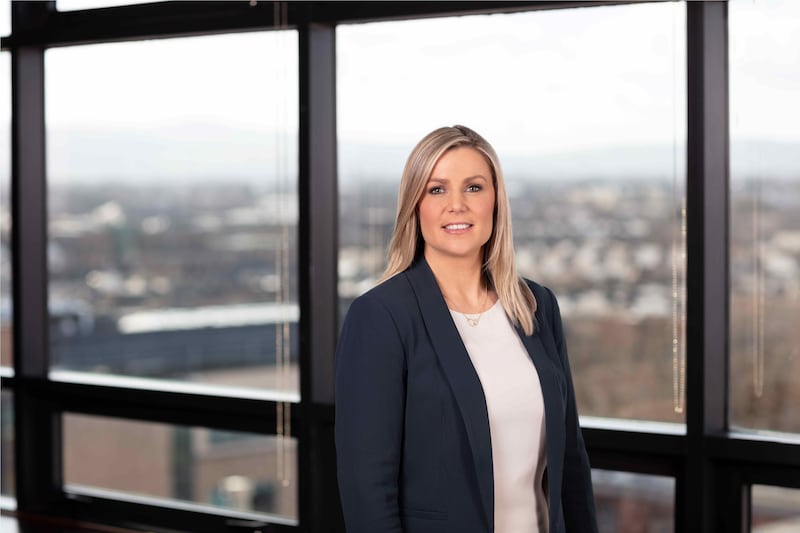
“Multigenerational workforces are now the norm, not the exception, driven by demographic change, labour market pressure and rapid shifts in skills demand,” explains Laura Flynn, EY Ireland partner and head of people consulting.
The Republic is close to full employment, at 95.2 per cent as of April. CSO data shows that around 2.8 million people are now employed across all career stages, from early roles to those working into their late 60s.
READ MORE


“This sits within a broader global context where organisations are navigating economic uncertainty, geopolitical pressure and rapid technological change, while managing a workforce spanning four generations with differing expectations and needs,” she points out.
The 2025 EY US Generation Survey, based on 5,000 employees across Gen Z, millennials, Gen X and baby boomers, shows these groups are actively reshaping workplace expectations, particularly around flexibility, culture and continuous learning.
“The shift is structural rather than optional,” says Flynn. “Ageing populations, tighter labour markets and evolving skill requirements mean organisations can no longer rely on replacing talent. Instead, they must retain and continuously reskill employees at all career stages.”
It’s a point reinforced by the World Economic Forum’s Future of Jobs Report 2025, in which 63 per cent of employers cited skills gaps as the primary barrier to transformation.
EY is seeing this play out directly. It has a global workforce of almost 400,000 people and takes what Flynn calls a “system-led” approach to cross-generational working that is anchored in mentoring, including reverse mentoring, in which younger employees mentor older ones.
It also fosters inclusive leadership behaviours and structured career pathways that “intentionally connect early-career, mid-career and senior talent,” she explains.
“The result is a model where knowledge flows in multiple directions, enabling the organisation to combine deep experience with emerging digital and workforce insights, and enabling all generations to contribute and thrive.”
Managing a multigenerational workforce creates both management and cultural challenges. “Different generations bring distinct expectations around leadership, communication, career progression, flexibility, engagement and technology use,” says Flynn. “Without conscious design, this can lead to misunderstandings, silos and assumptions about capability or motivation.”
From a management perspective, many generations mean one-size-fits-all approaches no longer work.
“Leaders must balance fairness with flexibility, ensuring policies and development opportunities feel inclusive across age groups.”
There can also be tension around the pace of change, particularly where new technologies are introduced faster than some employees are comfortable with. “This is compounded by leadership capability gaps. EY insights on multigenerational workforces highlight that organisations often struggle to effectively leverage generational differences, despite recognising their value,” says Flynn.
Get it wrong and, culturally, the risk is of fragmentation, where employees gravitate toward those “like them” rather than learning from difference.
The EY Generations Report: Harnessing Age Diversity for Workplace Excellence highlights this disconnect, with younger employees more likely to report dissatisfaction working across generations, while older cohorts tend to have a more positive experience.
“Addressing this requires leaders to actively role‑model inclusive behaviours, challenge stereotypes and create psychological safety so people of all ages feel valued, heard and able to contribute fully. Left unmanaged, these challenges can impact collaboration, engagement and organisational performance,” says Flynn.
Get it right and multigenerational workforces offer a clear competitive advantage: “They bring together experience and expertise with fresh ideas and digital skills. This mix improves decision making, supports innovation and helps organisations adapt to change.
“From a workforce perspective, intergenerational collaboration enables faster skills transfer in both directions. Experience is shared rather than lost, while new capabilities are adopted more quickly and applied more effectively.”
It also supports more inclusive leadership pipelines, where potential is recognised across career stages rather than tied to tenure or age.
“The most effective organisations treat intergenerational working as a capability to build, not a challenge to manage. They move beyond informal goodwill and put deliberate structures in place. In practice, this includes reverse and reciprocal mentoring, where learning flows both ways – such as digital skills, new tools and emerging trends in one direction, and experience, judgment and organisational context in the other.”
High-performing employers also design teams intentionally, Flynn adds, bringing different generations together around real work rather than treating collaboration as a side initiative.
Employee networks, communities of practice and shared learning forums further reinforce connection and belonging. “The common thread is intentionality – embedding intergenerational collaboration into how work gets done,” she says. “This helps translate generational diversity into stronger engagement, innovation and overall organisational performance.”


