

When it comes to improving your home, the biggest challenge is rarely knowing what you could do, but deciding what you should do.
Most people aren’t short of ideas; they have too many. What starts as a straightforward plan quickly becomes a tangle of possibilities, with each option leading to another until it’s hard to know where to begin. The result is often a standstill, lots of thinking and very little progress.
But there is a way to cut through that noise. It comes down to approaching the decision in a more structured and grounded way. Here are some of the key things to consider when working out the best solution for your home.
Realistic budget
Before you look at what’s possible, it’s important to understand what’s viable, and that means being clear about your budget. This isn’t just about how much you could spend on your home, but what makes sense to spend.
READ MORE


A large extension or full renovation might be technically achievable, but they come with very different cost levels. In some cases, the more ambitious options simply don’t stack up when you consider the value of the house or your longer-term plans.
On the other hand, more modest changes, such as reworking layouts or converting existing space, can deliver a significant improvement without the same level of investment. Being clear on your budget early on acts as a filter. It removes unrealistic options and allows you to focus your energy on what is.
Longer-term plans
A lot of decisions are driven by immediate needs. A house that feels too small or doesn’t work well day-to-day creates a strong case for more space. But it’s important to step back and consider how those needs are likely to change over time.
In many homes, the pressure for space is temporary. Teenagers who need room now may be far more independent in a few years, or may have moved out altogether. What feels like a lack of space today can look very different in a relatively short period of time and a large extension that seems necessary now may not make sense once those demands ease.
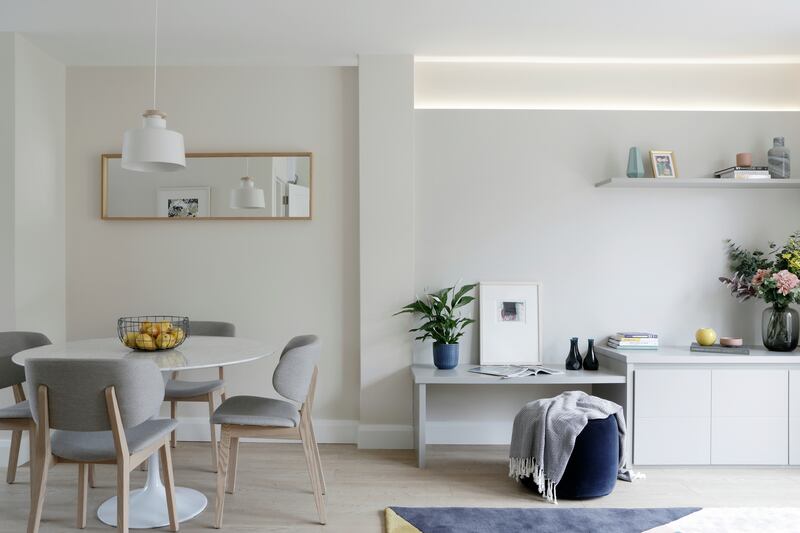
There are also longer-term considerations worth factoring in early. As your needs change over time, it can make sense to think about how the house could adapt with them, whether creating a space for a specific purpose or generating rental income, for example.
These different factors can pull decisions in different directions, which is why it’s important to be clear on priorities from the outset. The aim is not to solve every possible future scenario, but to make choices that stand the test of time, so that the investment made now continues to work well in the years ahead, rather than needing to be undone or rethought.
Understand constraints
Planning constraints, site conditions and structural limitations often play a bigger role than people expect. What you can build, whether it’s an extension, attic conversion or a separate garden room, will depend on a range of factors, from planning rules to site levels and access.
A relatively modest extension might seem straightforward on paper, but factors such as restricted access to the rear of a property or challenging site conditions can drive up labour and construction costs considerably. What initially feels like a simple, manageable project can quickly become far more complex and expensive than expected, to the point where it no longer makes sense.
Understanding these constraints early on is key, as they often play a decisive role in shaping the best direction. Instead of working around constraints at the end, it is far more effective to understand them early and let them guide the decision-making process.
[ Renovate, retrofit, refresh: Your guide to a better home in 2026Opens in new window ]
Don’t overlook what’s there
Something often overlooked is how much can be achieved within the existing footprint of a home.
Reworking layouts, improving flow and making better use of underutilised spaces can completely change how a house feels to live in. In many cases, this approach not only reduces cost and complexity but delivers a more considered and cohesive result.
In one project, our clients considered building an extension, but when we looked more closely at what they actually wanted it for, it was simply more space to entertain. Once that was clear, we were able to achieve the same result by reworking the existing layout and improving the flow, without the need to build at all.
Taking the time to fully explore what is already there often leads to simpler, more effective solutions. It also underlines the importance of getting the right kind of advice early on. Well-meaning input from friends or neighbours can be helpful, but every home is different, and the best outcomes tend to come from decisions grounded in the specifics of the house itself and the people living in it.