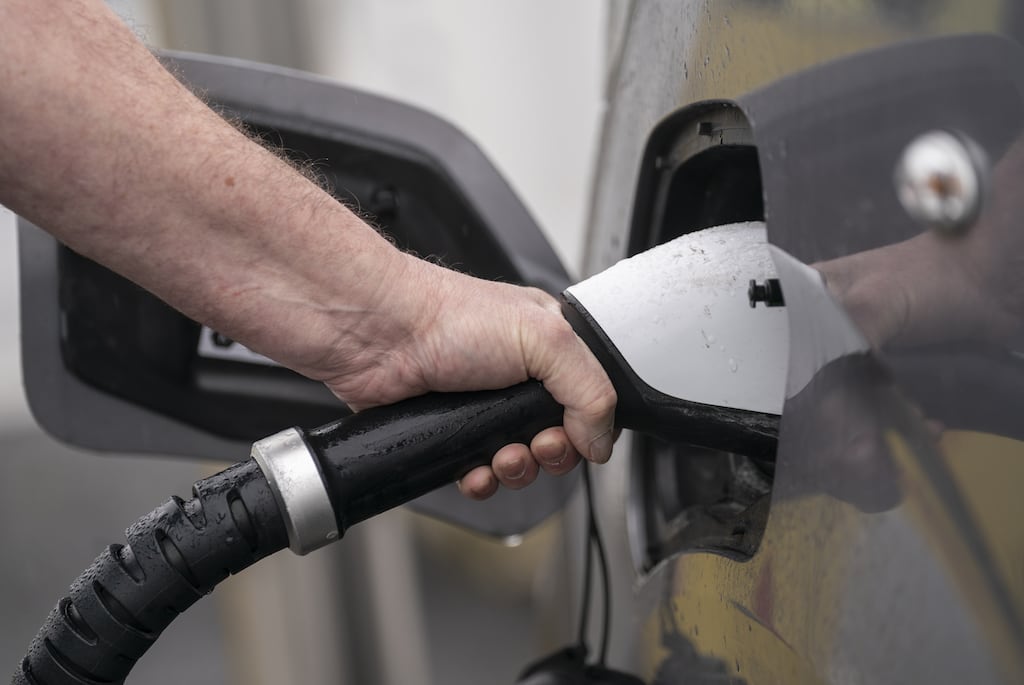
The recovery in sales of electric vehicles, ostensibly on foot of the conflict in the Gulf, is a silver lining of sorts to an otherwise grim moment for the planet.
EV sales have increased by over 40 per cent in the first seven months of 2026 and now account for one in five cars sold. This brings the total number of EVs on Irish roads to around 196,000, exceeding the interim target of 195,000 EVs by the end of 2025 which had been set by the Climate Action Plan.
The goal of the plan is a 51 per cent reduction in greenhouse gas emissions, compared to 2018, by the end of this decade. Transport is expected to do much of the heavy lifting under the plan, which envisaged 845,000 electric vehicles on Irish roads by 2030.
This target has always seemed somewhat ambitious but was looking entirely unachievable, based on the pace of EV sales. It still looks like a stretch, but continued momentum in EV sales will help Ireland to make meaningful progress in cutting emissions.
READ MORE


Whether this will require oil prices to remain elevated will become clearer in time. Having hit $120 a barrel in the immediate aftermath of the US and Israeli attacks on Iran, they have slipped back to $80 per barrel, still above their pre-conflict median of $70. With no clear end to the conflict in sight, the market is pricing oil at around $90 come the year’s end.
This should, in theory, continue to make EVs attractive but is something of a double-edged sword, as it hits consumers’ pockets in many other ways.
There are other tools at the Government’s disposal to build on the momentum in EV sales. The decision to increase the pool of funding available for subsidised purchases is one of them.
Another is increasing the availability of charging points, which risks becoming a limiting factor. The provision of public charging points is inadequate and a solution has to be found for EV owners who do not have access to off-street parking or who live in apartment complexes.


