

Before we dive into the how and why of using a retinoid in your skincare routine, it might be helpful to first take a look at the retinoid family, because there are several members, including retinol, retinaldehyde, tretinoin, retinyl palmitate, etc. They’re often spoken about interchangeably and this is where confusion can occur.
“Retinoid” is the umbrella term for all members of the retinoid family – a group of ingredients derived from Vitamin A, widely considered to be the gold standard in skincare. Why? Because they address visible signs of ageing and improve overall skin health.
Dermatologists and skin experts talk about retinoids so frequently because they are clinically proven to work.
At a cellular level, they speed up cell turnover and stimulate collagen and elastin production. What this means for you, over time, is softer fine lines and wrinkles, improved skin texture, reduced pigmentation and overall smoother, brighter, healthier looking skin.
READ MORE


The recommended time to start using a retinoid is from mid-to-late-20s onwards, as this is when our collagen production begins to slow down, and the signs of ageing start to appear. But introducing a retinoid at any age is extremely beneficial, as it has significant rejuvenating benefits for the skin.
Not all members of the retinoid family are the same. When explaining retinoids, I often like to envisage the retinoid family as a ladder, starting at the bottom with the gentlest and least irritating and working your way up – with each step working faster, but also carrying a greater risk of irritation.
At the bottom step of the ladder are retinol esters, including retinyl palmitate. These are the mildest forms of Vitamin A and can be found in many types of skincare products. They work slowly and cause minimal or no irritation, making them a good starting point for those with sensitive or reactive skin.
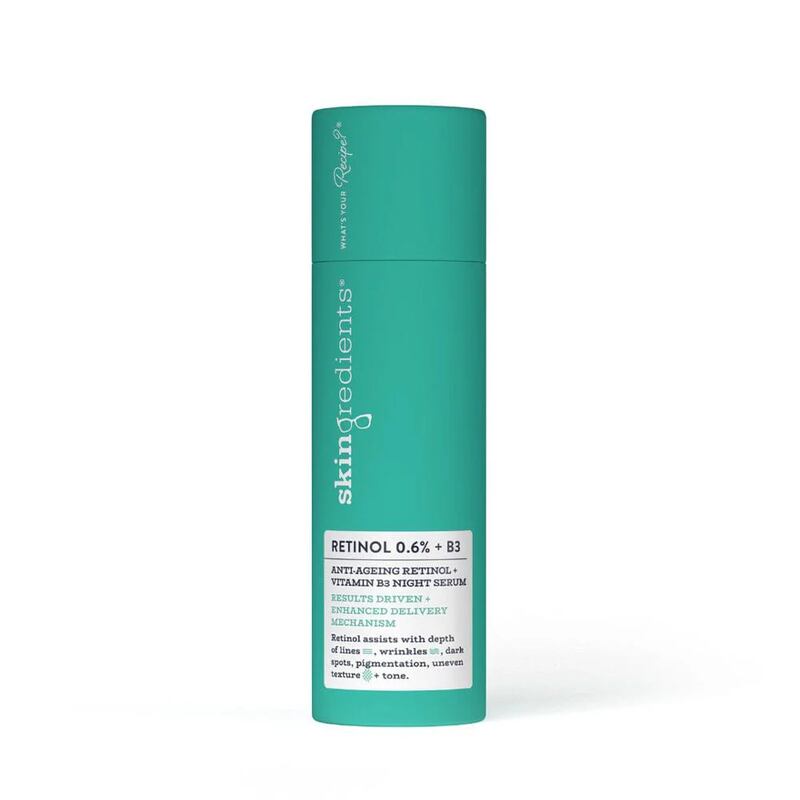
The next rung up is retinol, the one you’re probably most familiar with. Widely available and generally well tolerated, retinol products are usually formulated in different strengths – typically 0.3% and 0.5% – allowing you to start gradually and increase over time. An Irish brand doing this category very well is Skingredients, offering 0.6% and 1% potency in their Retinol + B3 Anti-Ageing Night Serums (€49 and €55 respectively, from skingredients.com).
Above that, sits retinal (also known as retinaldehyde). This is the most potent retinoid you can buy over the counter. It works faster than retinol, but the speed increase means it can also be a little irritating. Few brands have dominated the retinal category as effectively as Medik8.
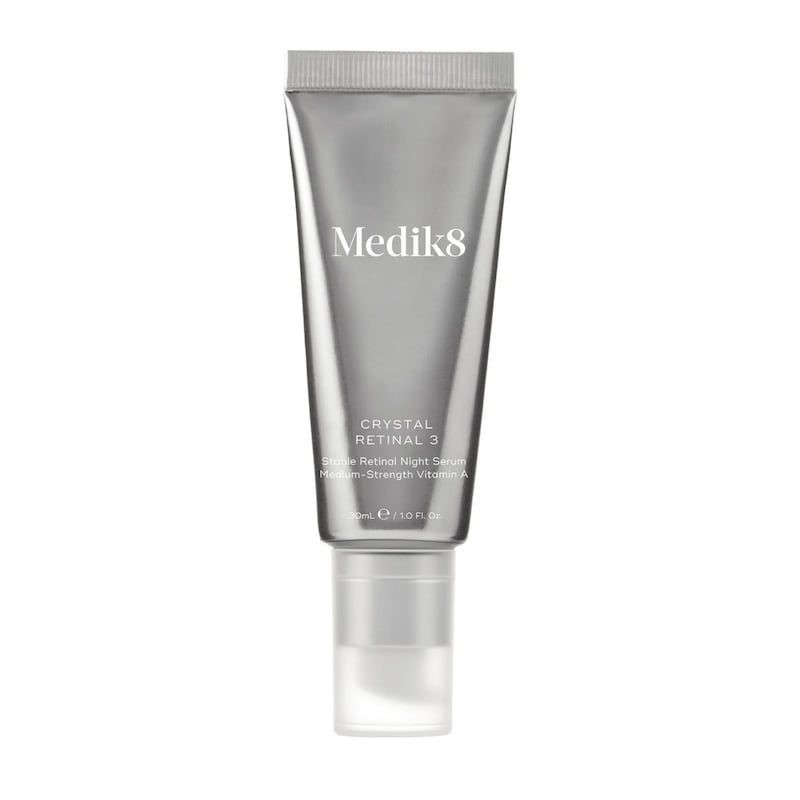
They have one of the best step-up retinal systems available. Medik8 Crystal Retinal 3 (€57.50 from Space NK) is the best one to start with – unless you have sensitive, reactive skin, in which case I’d recommend Medik8 Crystal Retinal 1 (€52 from Space NK). Over time, you can work your way up through the various strengths: 6, 10, 20.
And then, at the top of the ladder, we have tretinoin – the prescription-only version of Vitamin A. Available through your GP or dermatologist (and generally prescribed for the treatment of acne), tretinoin is the most powerful and fastest-acting retinoid, but as a result, it’s also the most irritating.
The general rule with retinoids is simple: the higher the strength, the faster the results – but the more sensitivity you’ll have to deal with. That’s why it’s always best to start slowly and build up tolerance over time.
A good starting point is to use your retinoid of choice once or twice a week to begin with, only at night. Apply after cleansing and before moisturiser.
Retinoids generally don’t interact well with other active skincare ingredients, so I’d advise avoiding exfoliating acids, Vitamin C or other strong actives in the same routine.
When it comes to how much to use, less really is more. A pea-sized blob is usually enough for the entire face. Dot on to your forehead, cheeks, chin, and then gently work in. Give it a few minutes to absorb before following with moisturiser (and the gentler, more barrier-repairing the better).
[ How to layer your skincare in the right order: An expert step-by-step guideOpens in new window ]
Stick with this approach for around a month and see how your skin responds. If everything is going swimmingly, increase usage to three nights a week, and build up slowly from there.
If irritation does occur, there are a few techniques that can help make retinoids easier for your skin to tolerate. One of my favourites is a method known as “buffering”, essentially applying a thin layer of moisturiser before your retinoid. The moisturiser acts as a light barrier, helping to minimise irritation.
All that said, retinoids are powerful ingredients, and they’re not suitable for everyone. They’re not recommended for use during pregnancy and breastfeeding, and people with very sensitive skin may find them difficult to tolerate.
All is not lost, however, as there are some great alternatives that offer similar benefits without irritation. Peptides are a great option. They act as messengers within the skin, signalling it to produce more collagen and elastin while also strengthening the skin barrier. I’m a big fan of Medik8 Liquid Peptides (€68 from Space NK) and Skinceuticals P-Tiox Peptide Serum (€150 from millies.ie).

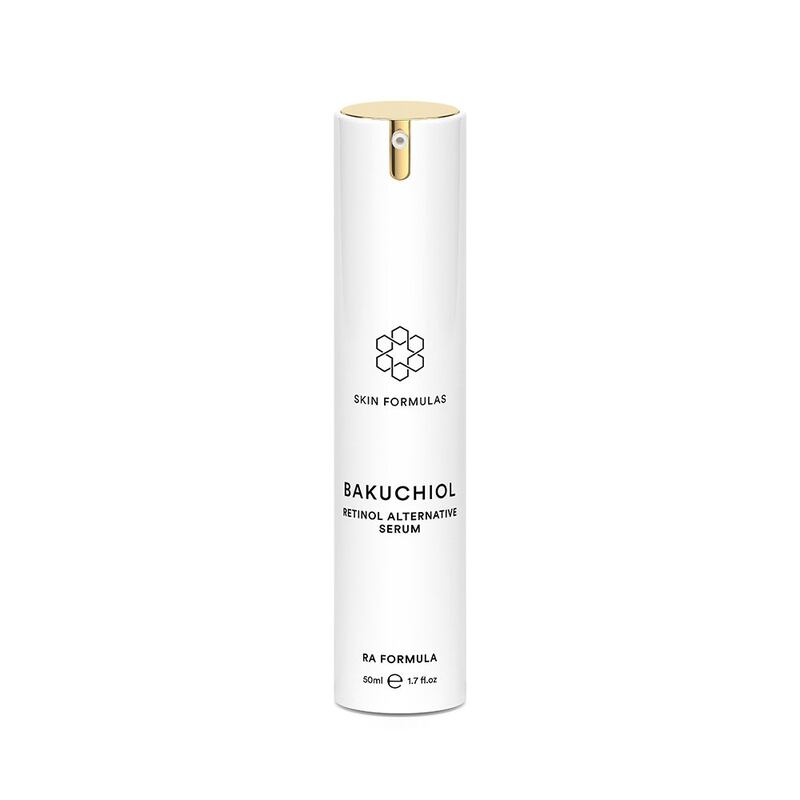
Bakuchiol is another one. Often described as the plant-based alternative to retinol, it helps to smooth fine lines, improve pigmentation and support acne-prone skin while being gentle enough for sensitive skin. Irish brand Skin Formulas has a great one – Bakuchiol Retinol Alternative Serum (€72 from skinformulas.ie).
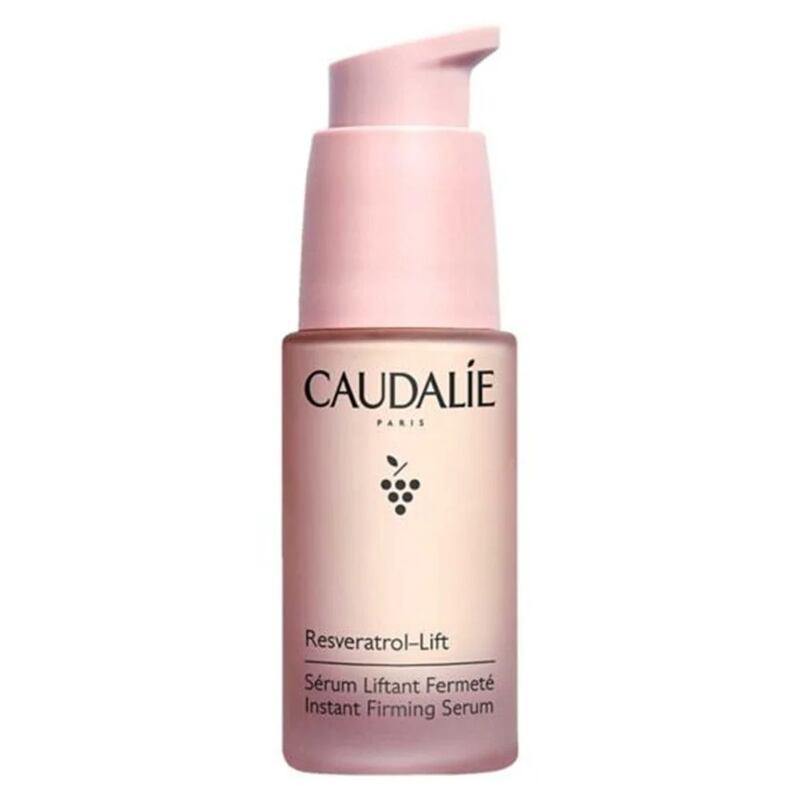
And finally, resveratrol, a powerful antioxidant, helps protect the skin from environmental stress and oxidative damage while also brightening the skin. One of the most well regarded resveratrol serums on the market is Caudalie Resveratrol Lift Instant Firming Serum (€54 from Boots).
This week I’m loving ... Gisou Honey Milk Active Repair Leave-in Conditioner Mist
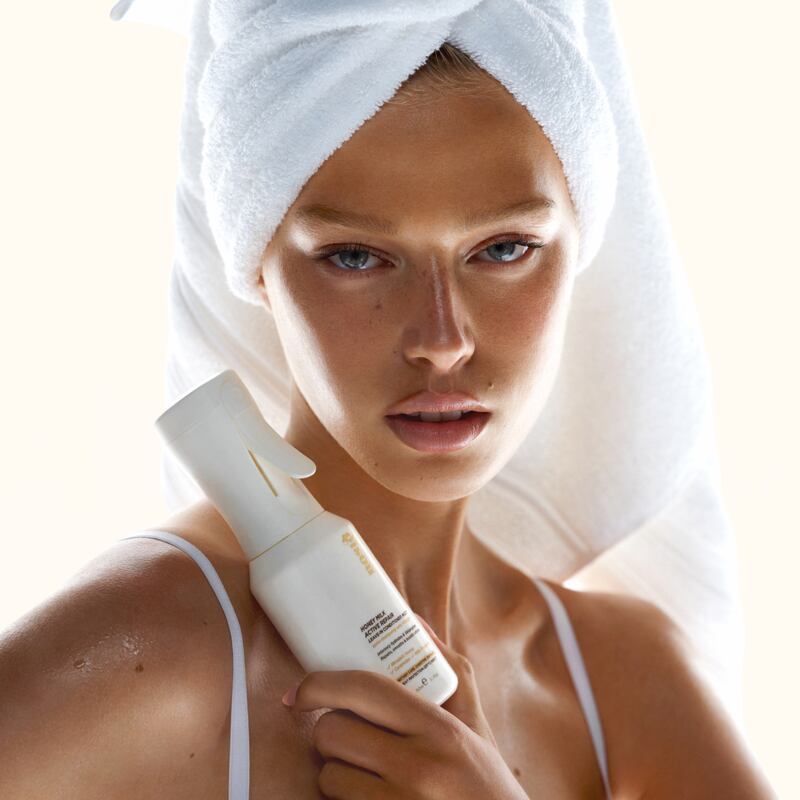
An excellent all-in-one product that helps to detangle add shine and deeply hydrate the hair. I’m always appreciative of a super fine mist that doesn’t weigh down the hair and this (€34 from Brown Thomas) is one such product. It also smells great, like nectar, honey and vanilla.