
I saw a speck of dust on the bedroom windowsill. I went to move it and it moved! It was about 1.5mm to 2mm. On enlarging the image, I noticed it was colourful. A carpet mite, I think. I destroyed it.
Eric Gill, Firhouse Dublin
It had lovely patterns on its body. This was a carpet beetle, a tiny insect whose size ranges from 1.7mm-3.2mm. On its own, one is a curiosity, but in numbers it can become a serious household pest. It not only attacks woollen goods, carpets, bedclothes and so on, but it also eats the glue of book bindings. It is also known as the museum beetle as it is a serious pest of dried insects and mammals. It is only the larvae that do the damage. Known as woolly bears, they are brown, hairy and 5mm in length. Your one may have just flown in from outside as the adults only feed on pollen and nectar – so don’t panic.
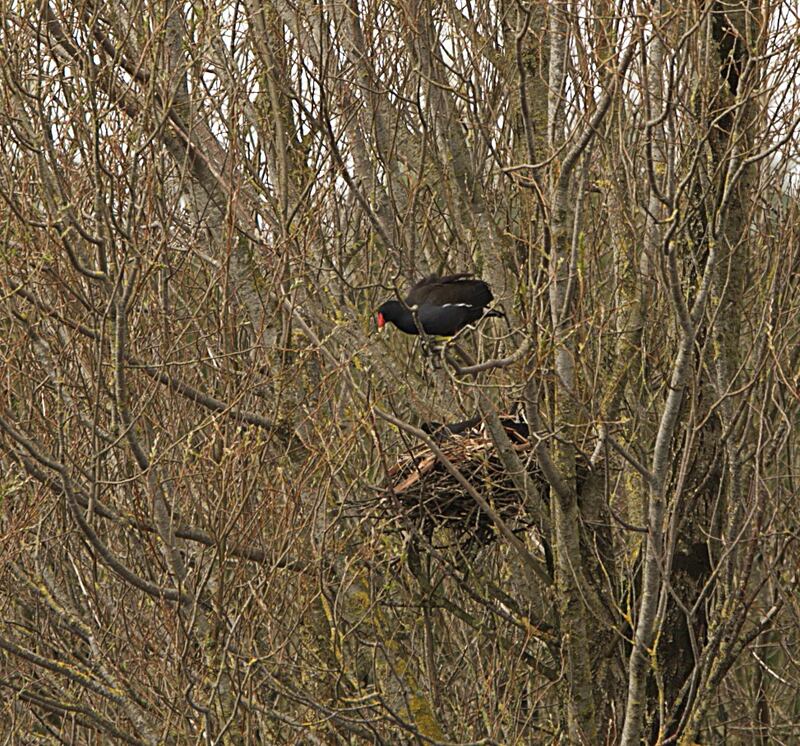
We have a nature reserve with several ponds, one of which was created from an old gravel pit. They are surrounded by trees and we have lots of waterbirds. This year we have noticed that a pair of the moorhens has nested up in a tree. The parents have built the nest, getting there by climbing from branch to branch with nesting material in their beak. Phil Brady took the attached photo.
Joe Conlon, Edenderry, Co Offaly
This is most unusual, but not impossible. As your video shows, the birds can hold on to branches with their clawed feet and climb up quite a distance. Moorhens normally nest at water level, building a platform of dried water plants where they will lay between five and 11 eggs. Our waterhen numbers are declining – perhaps due to depredations by invasive American mink. If more of them took to nesting up in trees, it would improve their survival chances.
READ MORE


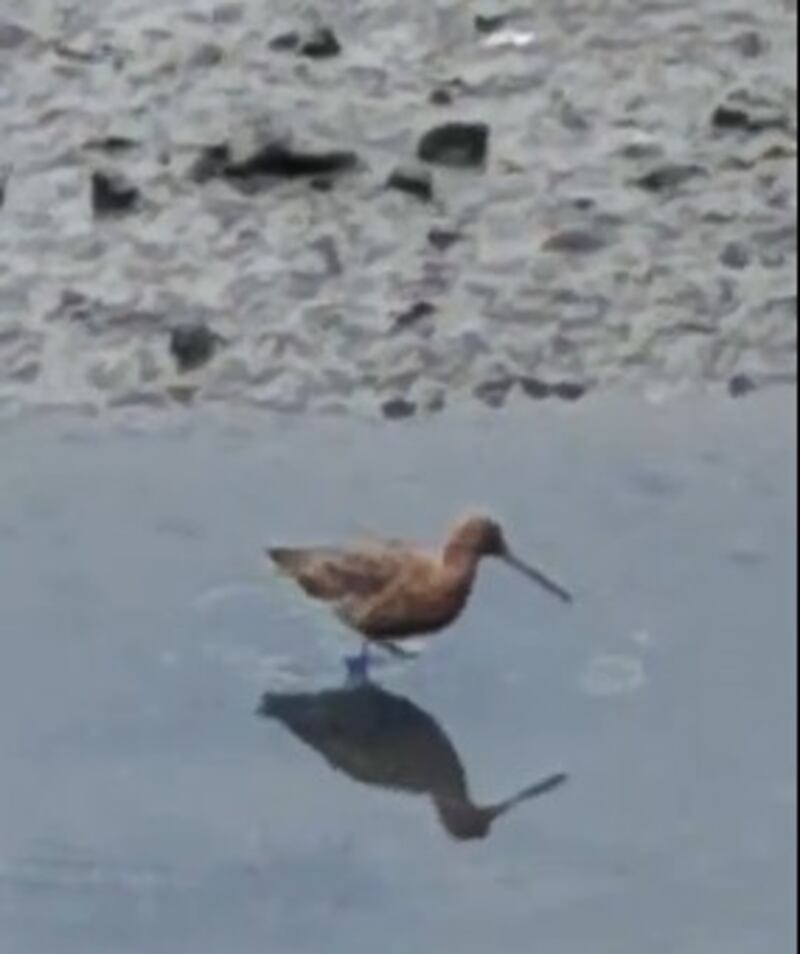
I saw this long-billed bird feeding at Booterstown Marsh in the second week of April. Is it a type of sandpiper?
Finn O’Leary
This is a bar-tailed godwit, already in breeding plumage. These waders favour firm mud habitat, where they can hunt for lugworms. They are winter visitors to our shores and most have already left by now on their journey to their breeding grounds in the Arctic tundra, Scandinavia and northern Russia.

We found these small bright-red bugs while looking for frog spawn on the edges of a stream. They were within the muddy banks and really stood out due to the colour. We would love to know what they are.
Theo Basimi (Aged 6), Blackrock, Co Dublin
These are red velvet mites – Trombidium holosericeum. They are not insects but arachnids, a group of creatures that include spiders, ticks and harvestmen as well as mites. They have eight legs like spiders do, but are much, much smaller. They are only about 3mm- 4mm and are covered in velvet-like hairs. They are predatory in their adult stage, feeding on small invertebrates, and are beneficial to soil health. They like wet places and often appear suddenly after rain.

The beach at Castlerock was covered by a carpet of these apparently giant bivalves not seen before in recent memory. Can you identify what they are?
Michael Campbell, Coleraine, Co. Derry
This is Arctica islandica – the Icelandic Cyprine. There are records for it from the Derry coastline, including from Downhill to Magilligan, but not from Castlerock itself and certainly none in huge numbers as you describe. It lives individually in burrows in sand and mud from the extreme lower shore downwards. It grows slowly and can live for more than 200 years.
Please submit your nature query or observation, ideally with a photo and location, via irishtimes.com/eyeonnature or by email to weekend@irishtimes.com


