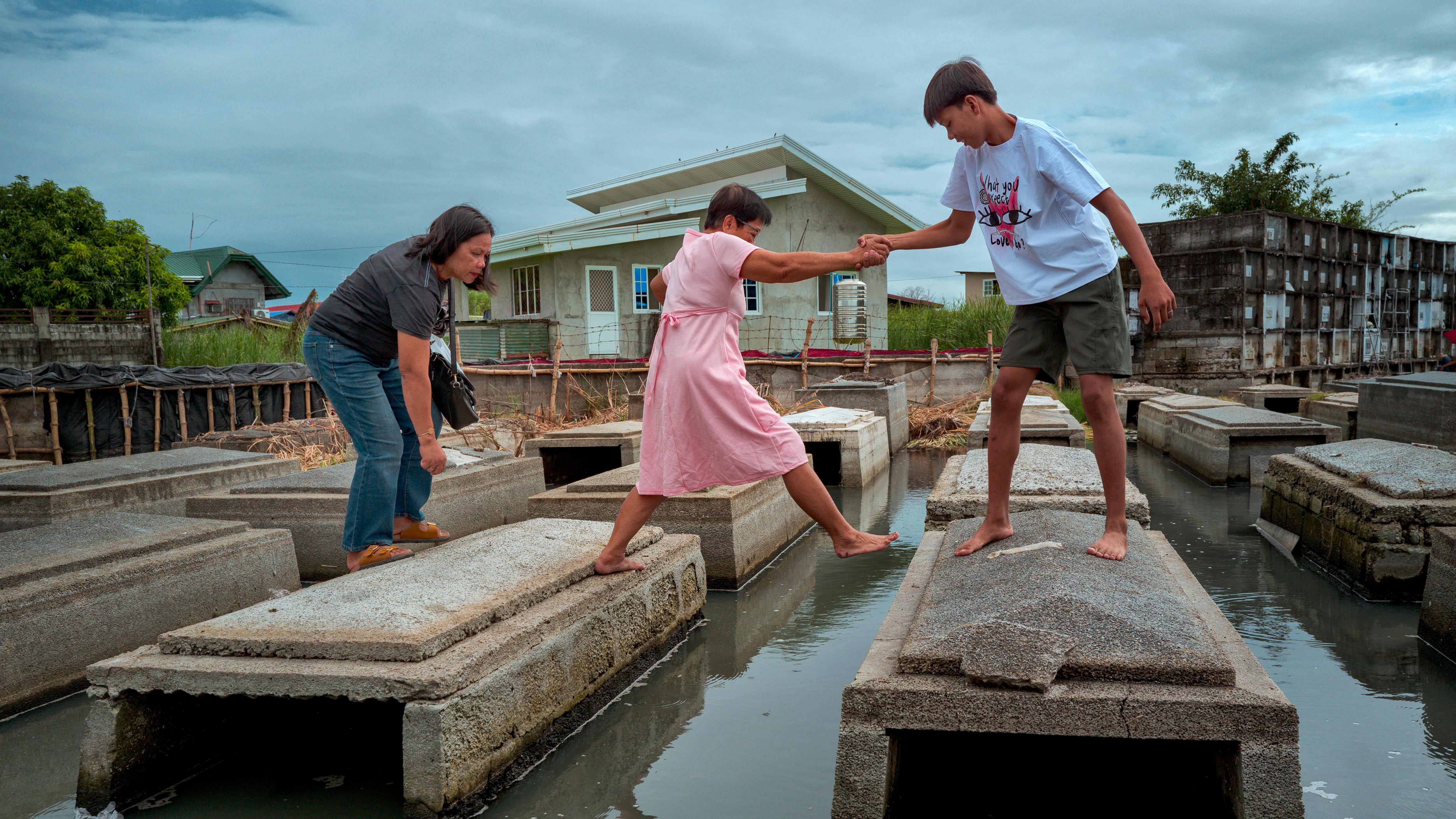
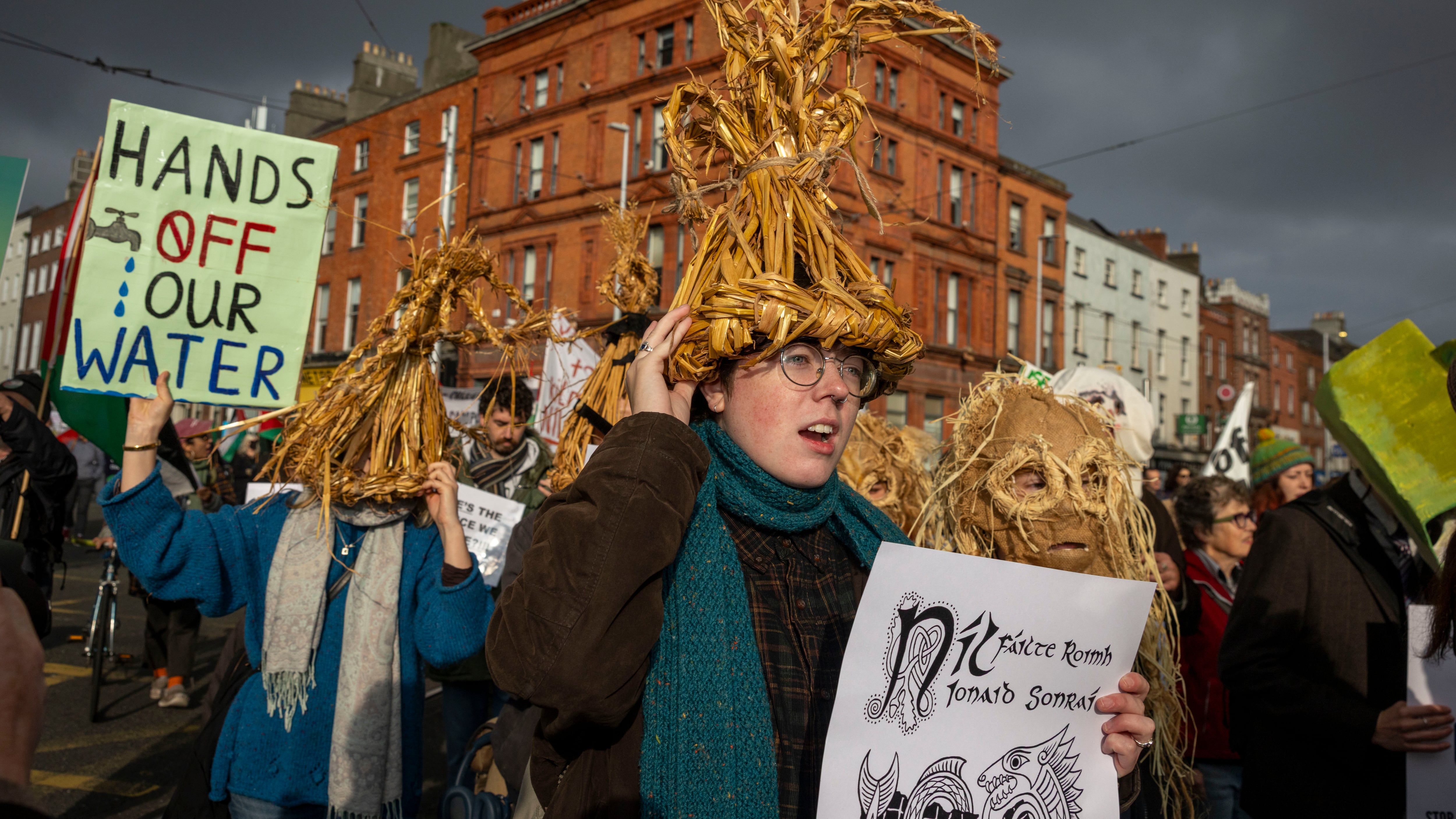
The world has entered a “new age of climate extremes”, scientists have warned as the Cop31 global climate summit begins in Turkey.
A State of the Climate update from the World Meteorological Organisation (WMO) shows 2026 has continued a “protracted streak of exceptional global temperatures”.
It says sea levels are their highest on record, oceans are at their hottest recorded and glaciers are melting at a rate that would fill five Olympic-size swimming pools every second.
Worse is expected before the year ends as El Niño is forecast to be at its most intense in December, releasing extra heat that will spill over into severe disruption through the first half of next year.
READ MORE


“El Niño and indeed the state of the global climate in 2026 gives new meaning to the phrase off the charts,” said WMO secretary general Celeste Saulo.
“We are supercharging our weather and El Niño will be a risk multiplier.
“Heatwaves, tropical cyclones and rainstorms are intensifying faster than our historical baselines prepared us for.”
El Niño is a naturally occurring phenomenon in the southern hemisphere. It happens when the trade winds that blow east to west in the south Pacific weaken and warm water flows, which usually follows the same east to west pattern, reverse. It usually leads to higher temperatures globally and extreme events. An El Niño happens every two to seven years.
The report shows the past four years have been the four warmest in 177 years of recording with no end to the growing heat in sight.
Extreme conditions have directly caused or contributed to tens of thousands of deaths this year, and the cost from the loss of homes, farms, harvests, clean water, clean air and trade are still mounting.
The report is published on the opening day of Cop31 where representatives of 197 countries will come together to try to jointly address the crisis and its causes over a fortnight of side talks and formal negotiations.
UN secretary general António Guterres urged those attending to “get serious” on climate.
“We have entered a new age of climate extremes,” he said. “Climate records keep falling. The human costs keep rising.
“Leaders must get serious by cutting emissions faster.”
Head of UN climate change Simon Stiell, who will support the talks, echoed that message, saying it was not sufficient to signal intent to act.
“Progress is nowhere near fast or fair enough,” he said. “Cop31 must supercharge solutions, breaking down existing global targets and national plans into component steps and landing practical solutions.”
Week one of the annual summit features a two-day world leaders’ summit and the traditional reading into the record of national statements.
Ireland will not be taking part in it this year as Taoiseach Micheál Martin is staying at home for EU council presidency events.
Minister for Climate Darragh O’Brien will travel next Saturday and remain for the second week when formal negotiations intensify.
Ireland is co-leading the EU with the EU climate commissioner at the talks due to holding the EU council presidency.
O’Brien said Ireland and the European Commission would directly handle negotiations on the cover decision – the final formal agreement that will come at the end of the summit.
Denmark, Luxembourg, the Netherlands, France, Malta, Finland, Sweden, Portugal, Belgium and Austria have been assigned to represent the bloc in talks on component issues.
“The EU sees Cop31 as an opportunity to demonstrate that countries with very different circumstances and perspectives can continue to work together towards common objectives,” O’Brien said.
Ireland also has an important role at Cop31 as co-hosts with Tuvalu of the Transition Away from Fossil Fuels conference due to take place next summer.
The conference stems from a side initiative at the Cop30 summit in Brazil last year when 80 countries concerned at the slow pace of fossil fuel phase-out formed a coalition to accelerate the process.
Numerous events are scheduled throughout Cop31 to build further support for the initiative.