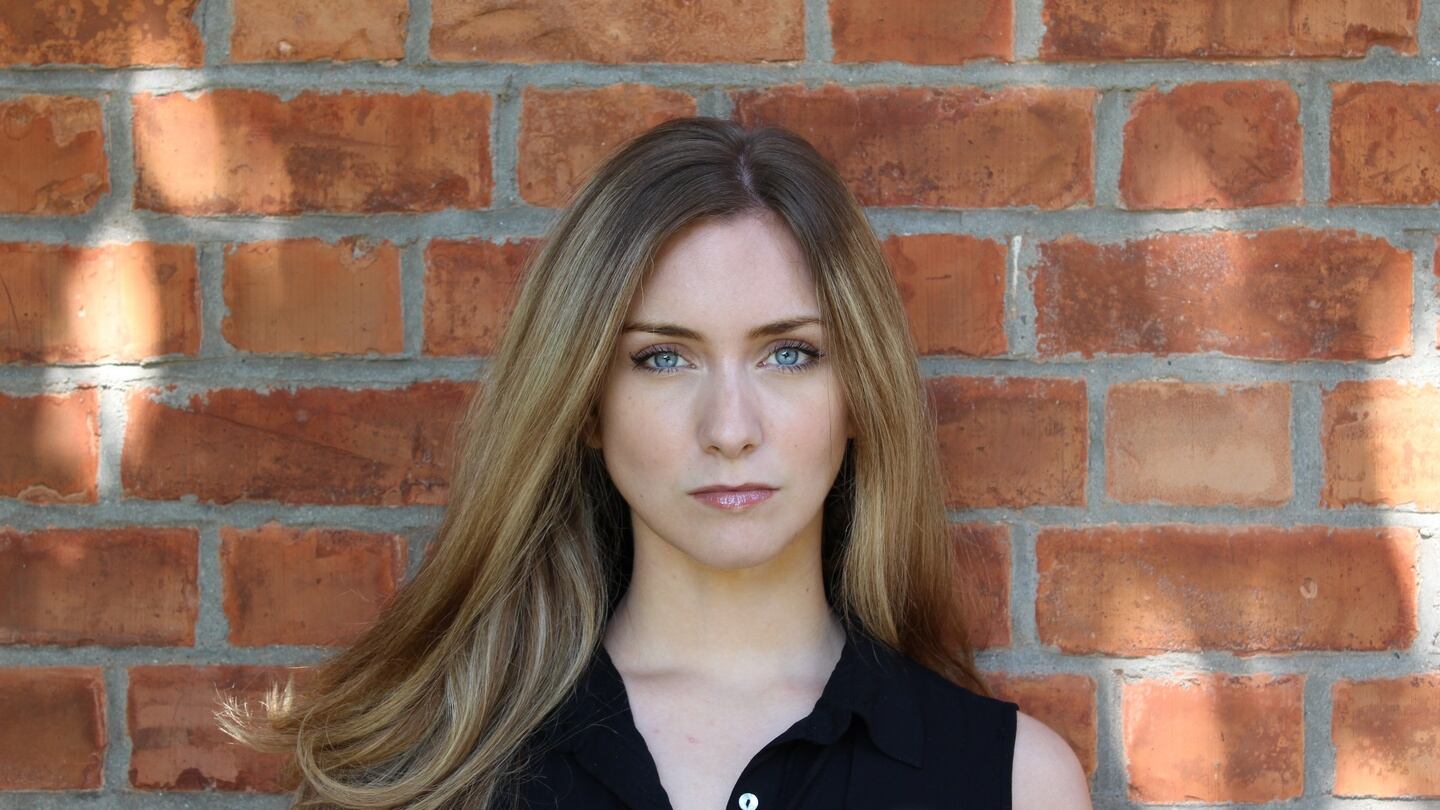
Seán Farrell has won the John McGahern Prize for debut Irish fiction, worth €5,000, for his novel Frogs for Watchdogs.
The winning title was chosen by Colm Tóibín from a group that included Water in the Desert, Fire in the Night by Gethan Dick (Tramp Press) and Every One Still Here by Liadan Ní Chuinn (Stinging Fly Press). The shortlisting committee had previously whittled down a record entry of 25 books.
Tóibín describes Frogs for Watchdogs as: “a meticulous and intense study of the inner life of a young boy. It is written with immense emotional honesty and unsparing accuracy. The protagonist is watchful and a born noticer; he is capable of great emotional complexity.
“Seán Farrell’s ability to allow his protagonist to change, adapt and develop is remarkable. The novel is pitch-perfect, tonally seamless, utterly immersive.”
READ MORE


The memorable title, drawn from William Allingham’s poem The Fairies, took an age for Farrell to fall upon after rejecting “lots of very bad titles” (among them the rather more prosaic “The Man Who Stole the Hay”), and helps to bring us into the world of “small, powerless creatures acting as bigger protective forces”.
The book is largely narrated by a nameless little boy living in rural Co Meath in the late 1980s. The boy lives with his mother and his sister B, who comes and goes from an English boarding school. At the end of the novel the boy, too, will leave for school abroad, having been transformed in unexpected and moving ways over the course of a slightly less than two-year narrative.
The other key character in the novel is a neighbouring farmer, Gearóid Ó Direáin, or, as the terrifically convincing narrator refers to him throughout, Gerry Drain. The boy’s changing understanding of who this man is and what role he might play in his and his family’s life runs as the nervous system through the text.
Like the boy of the novel, its author moved from Ireland to England, where he went to school before a degree in English literature at Cambridge University. It was hard but rewarding work, with writing of weekly essays, a curriculum stretching across the centuries and close tutorial guidance. Everyone was competitive and, though Farrell learned a great deal, “three years was enough” in this small, intense city.
Farrell became a father young and moved to live in France for several years. Always in his mind was the idea that he might become a writer, but the dream has been a long time coming to fruition. Now living in Sligo with his partner, fellow writer Elske Rahill, and four children, the success of Frogs for Watchdogs “feels good” to Farrell, after “trying to get here for a long time”.
The author comes from a literary family: his father, Antony Farrell, is founder of The Lilliput Press, and his sister, Bridget Farrell, is publisher of Bullaun Press.
Farrell has spent years writing fiction that has never seen the light of day, years trying and failing to convince an agent that he was the real thing, and when he did eventually find an agent, years being rejected by publisher after publisher after publisher.
What took him so long to produce this first novel? Farrell laughs: “I never thought about taking creative writing classes, but I could have saved myself a lot of time if I had taken 20 minutes of a good class.” That said, he does not regret the years of effort and considers the time spent “writing bad novels” worthwhile.
It was only when he sent the manuscript, unsolicited, to New Island Books that he finally got some traction. Dermot Bolger was especially helpful in getting the structure of the book into shape, and Farrell – himself a freelance editor – speaks admiringly of the world of the literary editor. To Farrell, writing is editing: “I can’t overstress how important the editorial process is.”
Frogs for Watchdogs, now dominated by the voice of the nameless narrator, with occasional key intercessions from Gerry Drain, had begun with 16 voices. This was eventually narrowed down to just the boy’s voice and only late in the day was the decision made to let the reader hear Gearóid’s thoughts, a decision that gave Farrell sleepless nights but that he feels paid off.
After being published by New Island in 2025, Frogs for Watchdogs was picked up by British publisher John Murray and appeared under that imprint last spring. Working with both publishing houses has been a real pleasure for the author. Again, Farrell has been lucky with editors, Becky Walsh of John Murray helping him to knock into shape what will be his next novel, The Best Boy in the World, an exploration of masculinity and fraternal rivalry, which will be published early next year.
Farrell is pleased to be associated with John McGahern’s name, a writer he admires most for his virtuosity in the short story, a form, he says, that confused him for a long time but in which McGahern, at his best, was “just perfect”.
Seán Farrell will read from his prize-winning novel at the Liverpool Literary Festival on Sunday, October 18th. Entries are now being accepted for debut Irish books of fiction published in 2026. Details are available on the Institute of Irish Studies website.
Previous winners include Adrian Duncan (Love Notes from a German Building Site), Hilary Fannin (The Weight of Love), Louise Kennedy (The End of the World is a Cul de Sac), Aingeala Flannery (The Amusements), Michael Magee (Close to Home), and Anna Fitzgerald (Girl in the Making).