A senior project manager who said he was told he was facing a performance improvement plan (PIP) after complaining about his multinational employer’s repeated failure to pay him on time has won €67,500 for constructive dismissal.
The PIP was an “orchestrated response with exit in mind” to the pay complaint, a tribunal found.
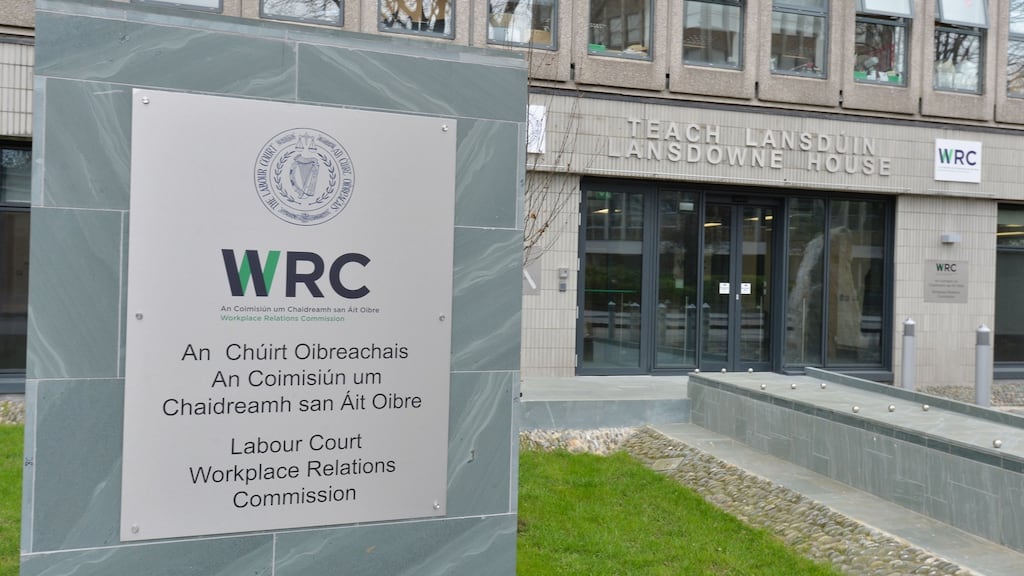
In a decision published on Wednesday by the Workplace Relations Commission, Robert Donovan secured a year’s salary for loss of earnings after a finding of constructive dismissal against Indeff Ltd, the Irish arm of the Belgian-headquartered industrial automation multinational.
Donovan said that with mortgage payments, car loans, grocery bills and the financial cost of putting his children through school, he was “overdrawn very, very regularly” because of regular delays in the payment of his salary.
READ MORE

It was submitted on behalf of Donovan by his barrister, Lorna Madden, appearing instructed by O’Donoghue and Associates Solicitors, that he wrote to his employer on October 2nd, 2023, to complain.
He wrote in the email that he was only paid on time “once in the past seven months” and that he considered this “unacceptable”.
The following day, October 3rd, 2023, Donovan said he was told to join a call with a senior manager, identified only as “BR” in the decision.
BR told him the complaint email was “unacceptable” and that he was to attend a meeting the following week with the head of the firm’s Irish operation and the company’s head of human resources, the complainant said.
At that meeting, he was told he was being placed on a PIP, Donovan said.
It was his case there was “no basis” for resorting to a PIP, as his work performance was “blowing the doors off the hinges” and there were “no complaints” against him, Donovan said.
He told adjudicator Lefre de Burgh he “resigned on the spot”.
Indeff did not attend the hearing, having failed to establish it was entitled to the adjournment it had sought, the WRC noted.
De Burgh upheld Donovan’s complaint under the Unfair Dismissals Act 1977.
“The complainant’s uncontested evidence in this case was that his salary was frequently late, sometimes short, and on occasion unpaid,” she wrote.
This alone was a “repudiation” of the employment contract and made it “entirely reasonable” for Donovan to quit, de Burgh wrote.
She found there was “no reality” to a formal grievance when the offending behaviour “emanated from the most senior people” in Indeff.
She added that Donovan was a “cogent and credible witness” and that she accepted his view that the PIP was “an orchestrated response with exit in mind by the employer”.


