

Geopolitical tensions and a seemingly never-ending cost-of-living crisis can make for grim reading. In the last week alone, Irish consumers have learned how wholesale electricity prices shot up last month, consumer sentiment has dipped again and seen the introduction of a fuel support scheme that doesn’t include households struggling to heat the home or fill the car.
Earlier this week, the Central Statistics Office published figures showing Irish inflation rose by 3.6 per cent in April year on year. Within that, energy prices rose by an annual rate of 15.5 per cent.
In its April consumer sentiment survey, the Irish League of Credit Unions notes a continued pressure on households this month.
While confidence dips are smaller than that of the US, the eurozone or the UK, Irish consumers now populate a strange kind of limbo where the majority of respondents are feeling the effects of higher energy prices. But while one in three expect to cut their energy use, about 20 per cent simply can’t.
READ MORE


Nine out of 10 consumers expect cutbacks in other areas of household spending to meet these surging costs.
So what can households do when it comes to managing finances? Is it even possible to save for a rainy day any more?
A tale of two households
Ireland has a two-tier system when it comes to finances in 2026: the haves and have nots. The net has widened substantially among the have nots.
Economist Austin Hughes says the “new normal” of shocks and major structural change makes for a “far less settled but more threatening” environment for Irish consumers still struggling in the aftermath of the financial crisis.
“I think the experience of recurrent shocks, ranging from Brexit, through Covid and the cost-of-living crisis, with each being accompanied by apocalyptic warnings from economists, really resonated with Irish consumers scarred by the crash.
“One very recent example is the research by the ESRI that as many as 200,000 high-paying jobs in Ireland could be threatened by AI. An additional element is a disconnect between a booming Irish economy in terms of GDP or GNI [gross national income], and the very different but equally valid reality of households under major financial pressure.
“That sense of exclusion or being left behind adds significantly to anxiety. In that context, many of the roughly 330,000 households in arrears on electricity will feel more anxious and out of line with what’s happening to others when they read about the 150,000 [people] trying to get Ryder Cup tickets.
“The sense of being vulnerable to capricious swings in the global economy and not benefiting from the good times in the Irish economy in the way they feel others are means ‘feel bad’ is the default mood for many consumers.”
The pain is real
No, you are not alone if you wonder where all of this will end. But there are certain ways to help ourselves even if circumstances look unlikely to boost our finances any time soon.
For one, put down the phone. An overconsumption of negative news, constant doomscrolling, or even wondering whether to cancel that family holiday will only add to a heightened state of worry. Take a walk in the bright evening sun (especially as it’s free), catch up with loved ones and, just in case, make sure you have travel insurance to ensure any possible holiday disruptions or cancellations will be covered.
Times will be tight
No sooner have we experienced a drop in prices for food staples like butter and milk than energy prices rocket. We are living in uncertain times, and there isn’t much we can do about that. But figuring out where savings can be made, however small, will have an overall positive effect on your outlook. When food inflation was at its highest towards the end of last year, many households struggled – and still do – to afford nutritional food to put on the table.
[ A third of Irish abroad intend to come home but cost of living is ‘a big issue’Opens in new window ]
Batch cooking with own-brand labels remains a good option when times are tight. It’s actually common practice in many households since the cost-of-living crisis took hold over four years ago.
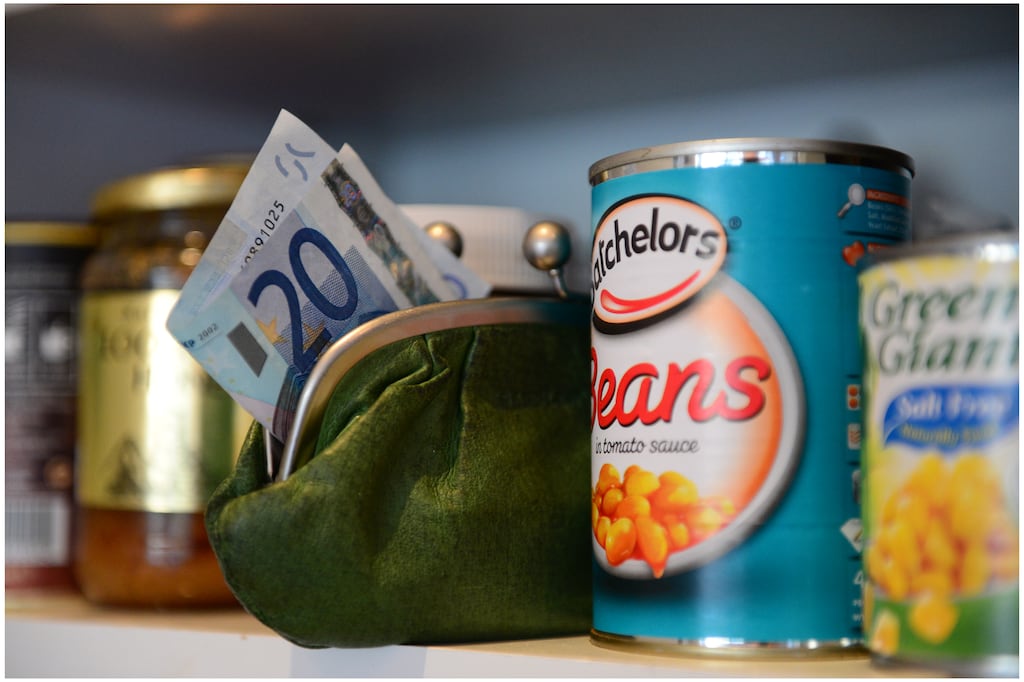
Many European countries have been advising their citizens to stockpile food in the case of further global geopolitical threats or climate disaster and while tinned food was one of many food categories that soared in price last year, supermarkets have started reintroducing lower prices and multi-pack deals in this area. If you can, buy in bulk. It might make the week before pay-day or being able to fill up the car less of a monetary squeeze.
Do your worst, AI
The credit union survey touched upon the real angst many people feel over the sweeping arrival of AI. A friend of mine whose only child begins secondary school this year has chosen the school as it offers woodworking studies and many more practical subjects, because she believes traditionally well-paid, white-collar professions are under threat from AI.
Rather than stress about this, though, she has decided a well-balanced education of academia and practical subjects will give her child the best possible job opportunities in a world of work keeping pace with AI. The world will always need good plumbers, carpenters and builders. Her point is that rather than worrying about there being no jobs for our children, it’s better to load them up with a wider skill set, so if AI has taken that accountancy job, practical skills like a craft or trade will allow for job security.
Fuel the mind, not just the motor
Anxiety-riddled times call for a kinder approach to how we see the world. But by now you will have removed the phone from your gaze so already there is less exposure to the trappings of social media, temptations to spend money you don’t have and algorithms designed to incite anger and fear.
My household knows there will be zero saving possible for the foreseeable. It simply won’t happen without salary increases, or something unexpected like the abolition of the universal social charge. But we have made our peace with this.
The foreign holiday can wait, there is a roof over our heads, job security for now, and that is how things stand in the present moment. Trying to get ahead of potential financial catastrophes is great in theory but in a stalemate situation like many households find themselves in now, the best thing you can do is keep calm to curb concerns. These precarious times will pass.
You can contact us at OnTheMoney@irishtimes.com with personal finance questions you would like to see us address. If you missed last week’s newsletter on the Government’s proposed new savings scheme by Dominic Coyle, you can read it here