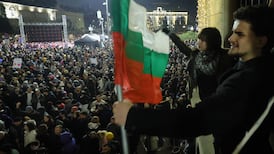
Bulgaria faces a fresh wave of political turmoil after street protests over rampant corruption led to the resignation of the prime minister just weeks before the country joins the euro.
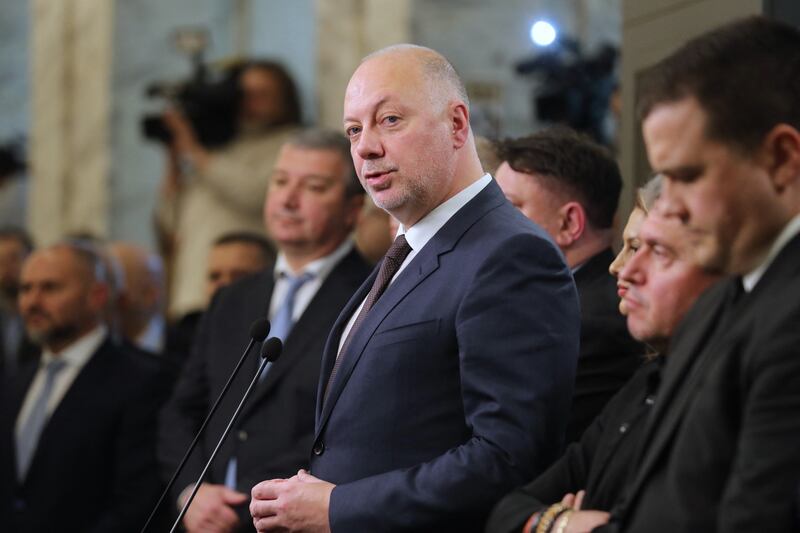
The departure of Rosen Zhelyazkov after less than a year running a minority government opens the way for Bulgaria’s eighth election since 2021.
Boyko Borissov, a former three-time prime minister whose Gerb party won the last election, will now have the chance to pick a new premier, but already signalled he will not try again.
“We will be a strong opposition,” Mr Borissov told his party leadership in a live Facebook stream on Thursday. “We’ll try to win the elections because we’re the best.”
Lawmakers voted unanimously to approve Mr Zhelyazkov’s resignation on Friday, paving the way for talks on forming a new coalition or most likely a snap election.
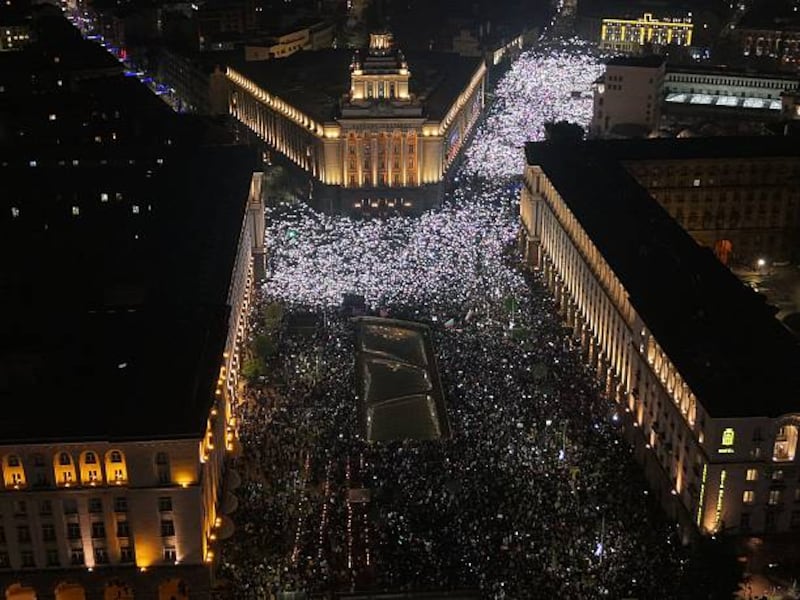
The collapse of another administration in Sofia comes after tens of thousands of people took to the streets across the country in the biggest protests in decades to rail against the establishment, prompted by the government’s plan to increase spending in next year’s budget.
Bulgaria has been a European Union member for almost two decades, recently joined its Schengen customs-free travel zone and on January 1st is due to adopt its single currency.
But that progress has masked growing dissatisfaction with the political elite over entrenched corruption and cronyism.
If Mr Borissov fails or refuses to secure a majority for a new cabinet, president Rumen Radev will give parliament’s second-largest faction a chance. But that also looks doomed to fail.
The leaders of an alliance of parties united over their vow to eradicate corruption also said a new election is the fairest outcome. The most likely scenario would then be a new vote in spring.
Another election would deepen a political crisis that has seen the Balkan country struggle for years to produce a stable government.
Still, recent polls indicate that about half of Bulgarians would prefer another vote, even if that means helping some politicians strengthen their grip on the country.
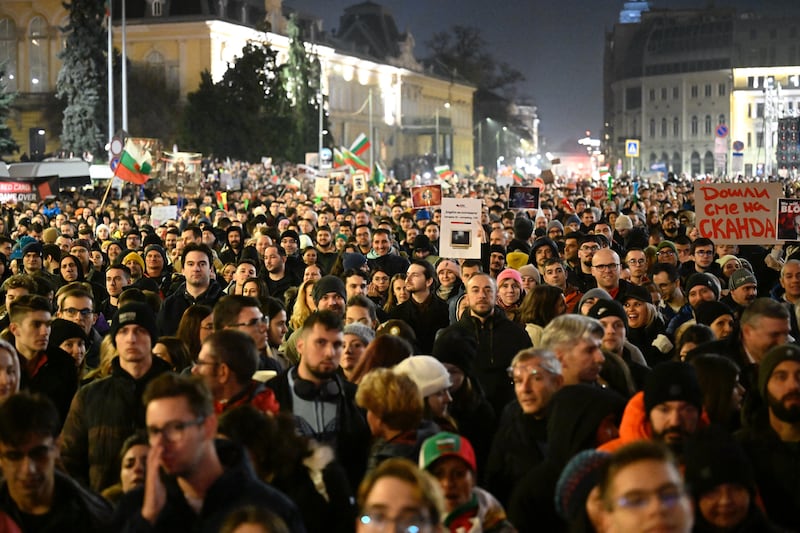
Protesters chanted slogans against Mr Borissov and Delyan Peevski, a politician and oligarch they claim has informal control of the government, the security services, the judiciary and the state budget.
Mr Peevski has denied any wrongdoing, but has repeatedly underscored his influence over the government. Prime minister Zhelyazkov’s weak coalition regularly required the support of lawmakers from Mr Peevski’s party.
The prospect of yet another election leaves Bulgaria’s politicians jockeying to capture the anti-establishment mood.
The biggest question remains whether Mr Radev, a former air force commander and the country’s most popular politician, will enter the race in time for another election.
The president has sought to tap into popular discontent with Mr Peevski and Mr Borissov, praising protesters for standing up to the “oligarchy.” Mr Radev has indicated several times he may enter parliamentary politics.
“I hope that president Rumen Radev takes his responsibility bravely, that he finally announces his political project and runs at the parliamentary election,” Gerb lawmaker Toma Bikov said as parliament discussed the government’s resignation. “This is the most honest way to treat Bulgarian society.”
Mr Radev has echoed several Kremlin talking points, opposing sanctions on Russia and providing military aid to Ukraine, which he described as helping “warmongers”.
He also pushed for a referendum on Bulgaria’s euro adoption. – Bloomberg