A quick tally shows that we’ve driven well over 170 new cars between us in the last 12 months. Admittedly, some were different engine variants of the same models, but in the main, these were entirely new cars.
It demonstrates just how much new metal is on forecourts right now. The downside is that so many of them are forgettable cookie-cutter crossovers, often computers that come with a car attached.
So as a rule of thumb, when compiling our best buys, we consider the cars that stood out from the traffic - the ones you could pick out in a shopping centre car park. Thankfully, there have been several pleasant surprises this year.
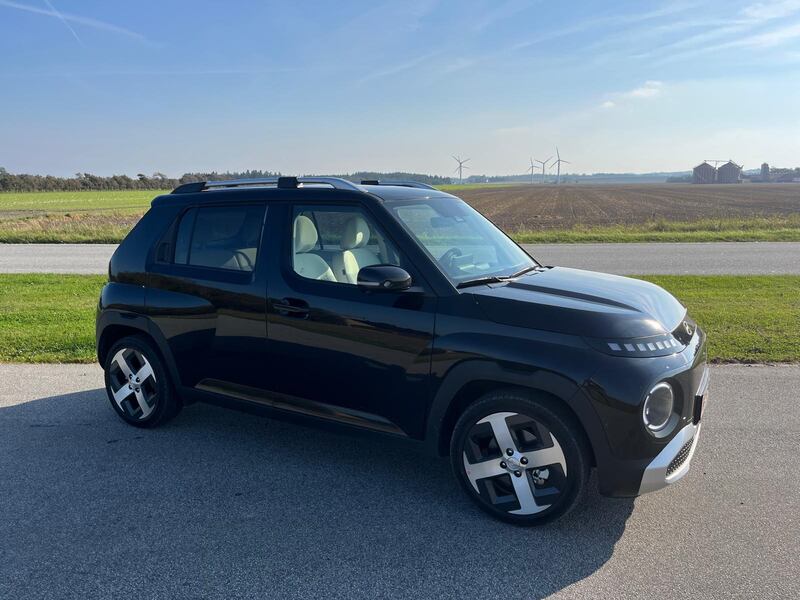
Starting small, Hyundai’s Inster remains the benchmark town runabout against which all others – including the new Fiat Grande Panda – can be judged.
READ MORE


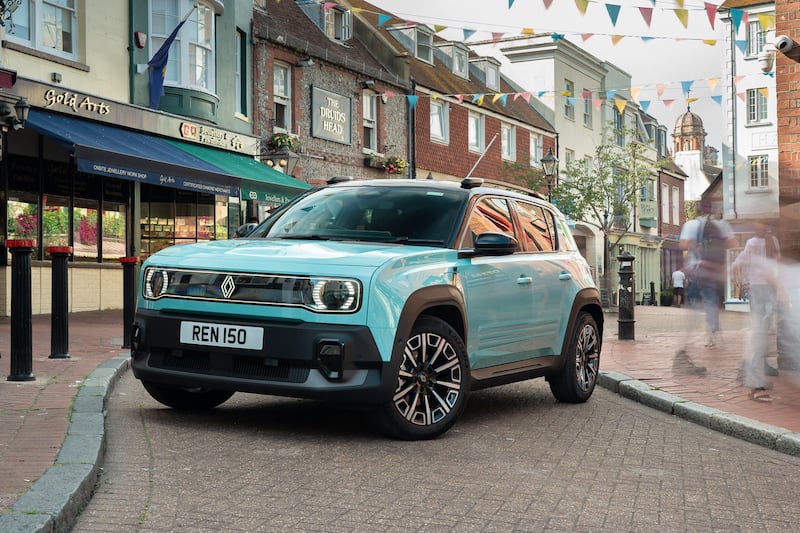
Step up in size, and this year the French delivered the impressive retro Renault 4, though they could have given us a few more interior styling touches from the original – the lack of an oddball push-pull gear selector is something of a disappointment — and a little more legroom in the back.
One of the sharpest cars we drove this year was another supermini, the Firefly EV, an offshoot of Nio. This Chinese brand has yet to land in Ireland, but the little Firefly looks great, handles really well and delivers a decent range. We look forward to its eventual arrival.
Toyota’s CH-R+ was another welcome surprise: spacious, stylish and electric. In a year when we were expecting the Nissan Leaf to be high on our shortlist, this Toyota overtook it.
At the upper end of the market, the Mercedes CLA was a bit of a revelation. It’s not great to look at, and the interior is shod with too much gaudy plastic, but it’s impressively sharp to drive and delivers remarkable range.

Others that stood out were the DS No.8, its sibling the Citroen C5 Aircross, and the trio of Alpines now on sale here: the hyper A290 take on the Renault 5, the little A110 sports car and the muscular A390 crossover SUV, the last of which proves that family-friendly EV crossovers need not be dull to drive.
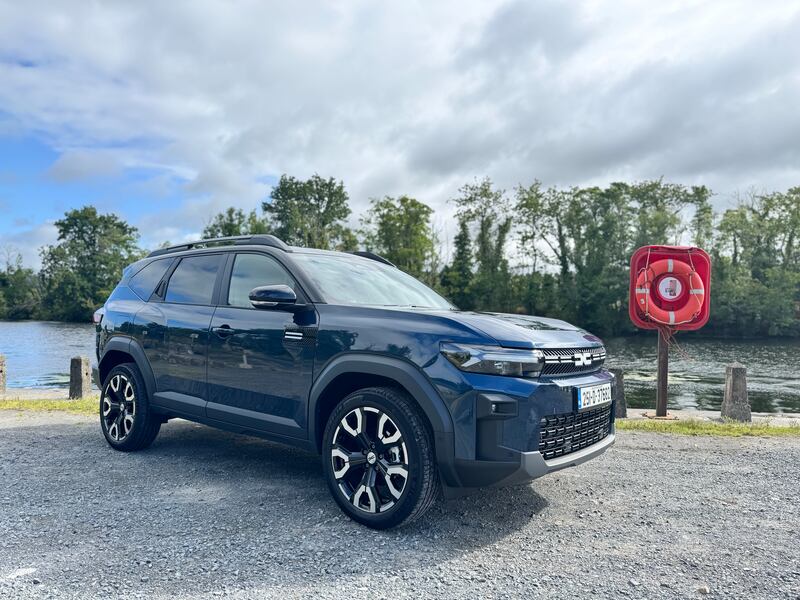
Of our top picks for family practicality, it’s hard to look past the Dacia Bigster. We’d opt for the 4x4 manual transmission version for its all-round capabilities, plus it’s nicer to drive than the hybrid. For comfort, space, practicality, and price, you can’t go far wrong with Bigster, and crucially, it’s the guts of €10,000 cheaper than most of the competition.
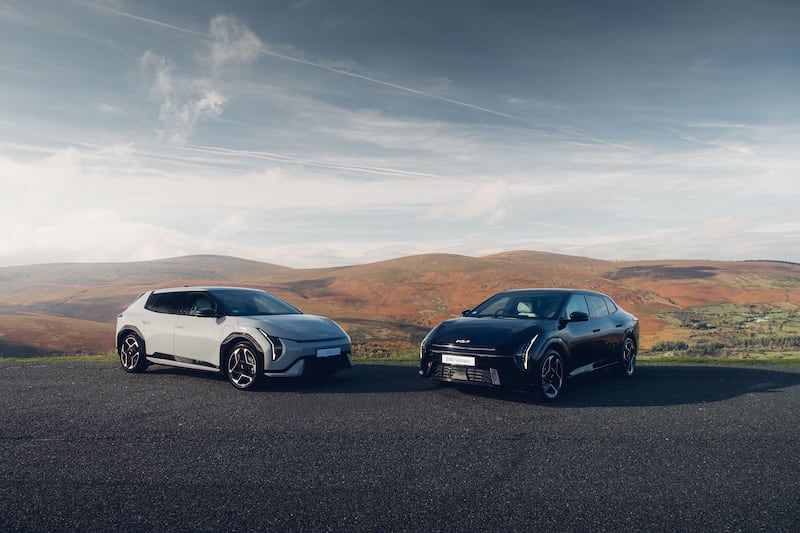
Running within a tyre tread of top place on our list is the Kia EV4. It’s a car that will slot seamlessly into your life. It’s all electric, but unlike the smaller EV3, it is really engaging to drive.
It also comes in three flavours: hatchback, fastback (saloon-like), and an upcoming GT version with some serious performance. Being contrarians, we like the oddball styling of the Fastback, but the more conventional hatchback is probably the best version for most.
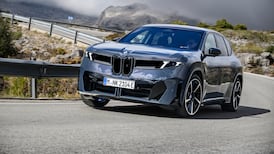
Which brings us to our best buy for 2026, which goes to a very late arrival: the BMW iX3.
We’re taking a bit of a gamble here because we haven’t had the chance to test this car on Irish roads. But time at the wheel on its international launch showcased how hugely impressive it is in terms of its mix of tech, driving dynamics and power.
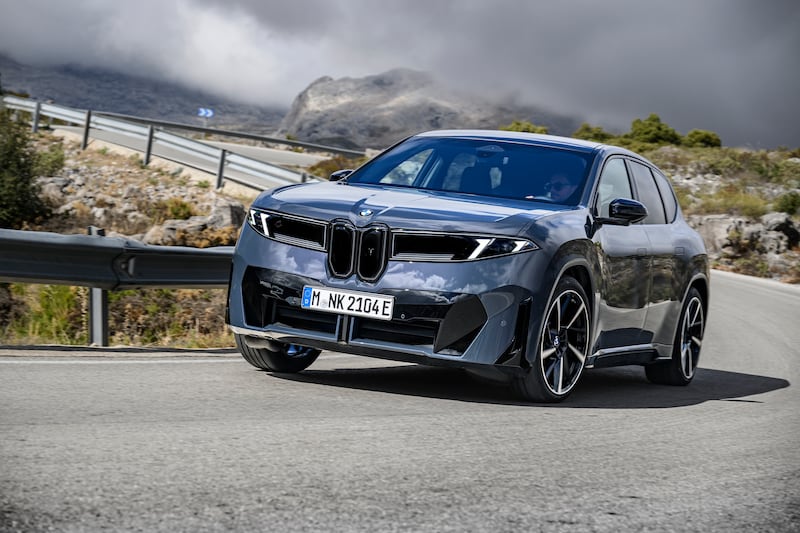
And after a full day’s driving in southern Spain, on steep mountain roads and fast motorways, our test car still had around 400km of range left available when we dropped it back. Remarkable.
BMW has made an innovative leap with the iX3 and delivered it to market at a price point that’s competitive with all its German rivals.

It’s arguably the most important car to come from the brand in decades and provides the foundation for 40 new models coming on track over the next two years.
Indeed, the only stop to our iX3 stride is the fact that, soon, you’ll also be able to buy all of its tech, batteries, and motors in a lower, sleeker, sexier body in the form of the new i3 — the electric 3 Series. Will that be the better car? Maybe, but then that’s for 2027, not today.

Virtually every fundamental element of modern motoring has been overhauled in the iX3, from the dashboard (the ‘Panoramic View’ display is especially impressive) to the battery pack, yet it manages to retain BMW’s characteristic driving enjoyment.
Putting its faith in new tech hardware and software to deliver traits once honed mechanically in the past was a big move for a car firm which claims to build the ultimate driving machines.
That has always seemed like a fantasy marketing claim, but the iX3 demonstrates the engineers at BMW still strive to achieve this bold goal.