
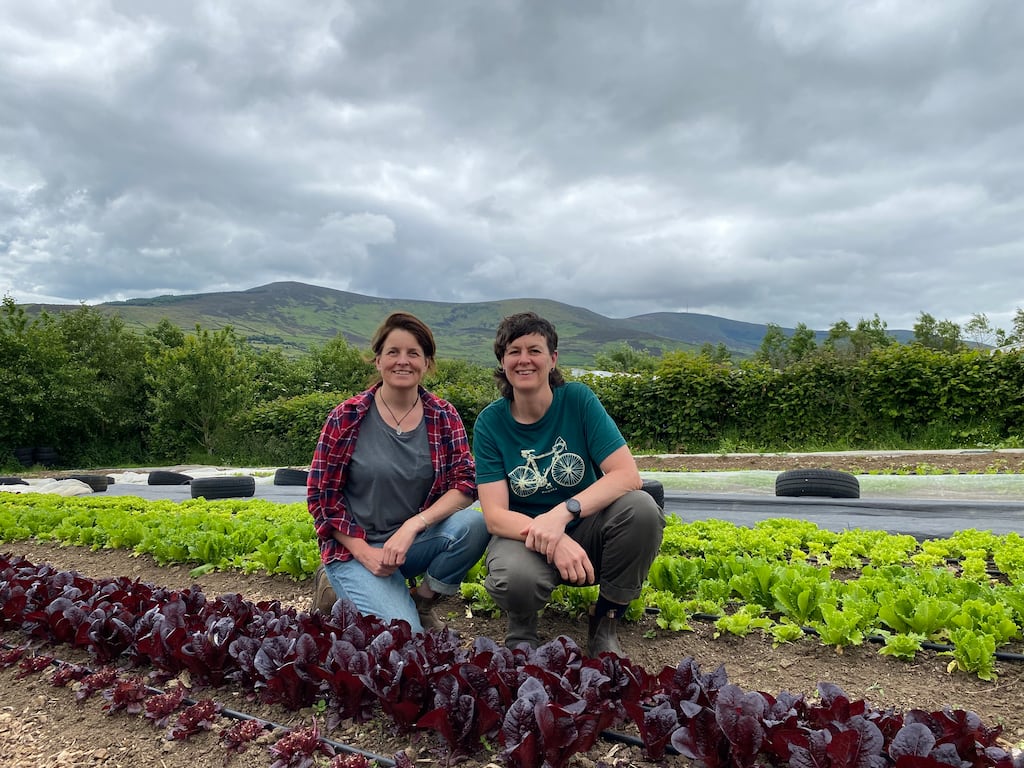
A new campaign wants the Government to introduce a basic income to small-scale food producers across Ireland to give them security of income to grow more food for sale locally.
The campaign for a basic income for small-scale food producers is led by Talamh Beo (Living Land), a group of about 350 food producers.
Following interviews with 150 local food producers and small farmers, the organisation found a basic income of €350 per week would allow members to farm full-time, reinvest in their farms, care for their land better, save seeds and engage more in educational initiatives within their communities.
“It would lead to more financial security, reduce stress and give farmers time to experiment and innovate to strengthen their food businesses,” says Alison Brogan, researcher on the Strengthening Local Food Economies in Ireland research project.
READ MORE


The study found that public benefits of a basic income for small-scale food producers include better education about biodiversity, healthier diets, climate resilience and greater potential to bring younger entrants into the sector.
Talamh Beo suggests that to qualify for a basic income, food producers would need to have a minimum annual turnover of €8,000, engage in agroecological farming practices, be certified organic or be in conversion to organic farming and be selling at least 70 per cent of their produce locally through markets, direct to customers or to local restaurants.
The organisation has calculated that providing a basic income to 600 eligible small-scale food producers would cost the Department of Agriculture of €8.3 million per year.
[ The Irish Times view on food security: time is short to avert a crisisOpens in new window ]
The backdrop to this initiative is growing concern that food security – the availability of essential food supplies – is threatened by geopolitical tensions and extreme weather events affecting food harvests across the world.
So-called “environmental externalities” – degradation of water, soil and air from intensive agricultural practices – and the concomitant greenhouse gas emissions are key issues of concern to Talamh Beo.
There is also an emerging view that Ireland could and should ensure the provision of affordable food for its own people (the definition of food sovereignty) while also contributing to a globalised food system.
Ireland currently exports 90 per cent of domestically produced beef and dairy while importing over 80 per cent of the fruit and vegetables for sale on supermarket shelves.
“We have internalised the view that the reliable source of food is from long food chains,” says Fergal Anderson, founding member of Talamh Beo and a horticulture and woodland farmer in east Galway.
“It’s a crisis of the imagination not to look at and support innovative local food producers.”
The high cost of growing vegetables in Ireland coupled with the low price supermarkets pay farmers for the produce has contributed to the reduction in commercial fruit and vegetables growers from about 600 in the 1990s to 70 in the 2020s. And although the price of food is increasing for consumers, food producers argue that the full cost of producing food is rarely factored into the price paid at the till.
Janet Power, co-founder of Gorse Farm on the Carlow-Wexford border, believes there is an alternative to reliance on imported vegetables and fruit.
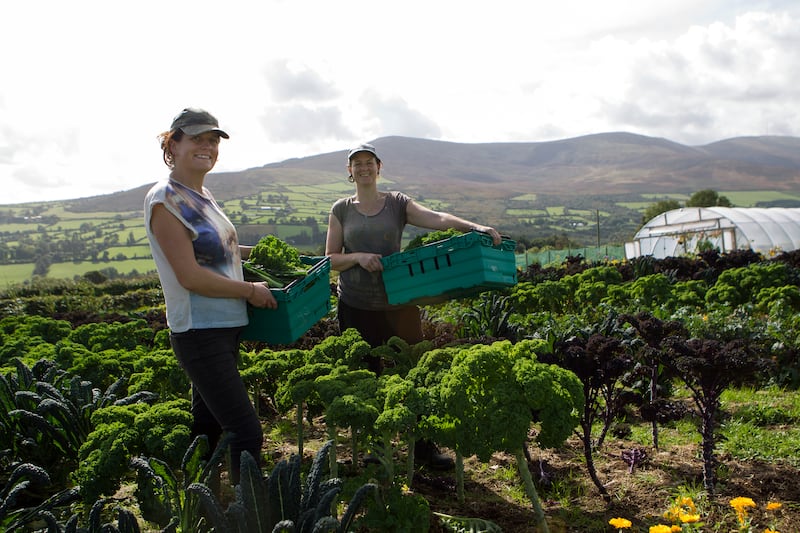
“It’s about creating viable farmer livelihoods, farmers who protect nature and provide healthy local food for communities. The basic income for small producers is about making these producers secure,” she says.
Talamh Beo say that for a basic income scheme for small food producers to become a reality, the Department of Agriculture needs to formally recognise this group of small food producers. It claims small food producers across Ireland are “invisible” to agricultural policy as there is no dedicated supports for farms who primarily provide food for local and domestic markets.
[ Sixty years of fighting hunger yielded results but another food crisis loomsOpens in new window ]
“There are no financial supports and no advisory services for small food producers in Ireland,” says Ruth Hegarty from Food Policy Ireland. And while Talamh Beo welcome the new Irish Horticulture Growers-Retailers charter, its focus is more on developing local food networks outside the large supermarket chains.
Talamh Beo also suggests public procurement of local food – alongside the basic income – would ensure financial viability. Many of these small food producers are selling directly to customers or to restaurants and local shops.
Dr Matthew O’Neill is the author of the paper Transforming Ireland’s Food System: Barriers and Opportunities, for the Institute of International and European Affairs.
He says income supports for local food producers would need to sit alongside “fair prices, access to land and reliable routes to market”.
“Supporting small producers could help sustain economic activity through local markets,” he says. “But I would be cautious about claiming a significant national food-security impact without evidence of how much additional production the scheme would support and who would be able to access it.
“Local food security is not just about growing more food nearby. It is also about whether people can afford that food and whether producers can earn a decent living supplying it.”
There are already some examples of farmers receiving a basic income as part of specific regional projects. Roger Ahern, who runs Green Man’s Garden, a small market garden in Co Cork, get a basic income of €1,400 a month from Bioregioning South East Ireland, a philanthropically funded organisation supporting agricultural innovation.
“It allows me plan for the long-term hire of someone to work with me so that I can run courses for children in growing vegetables,” says Ahern.
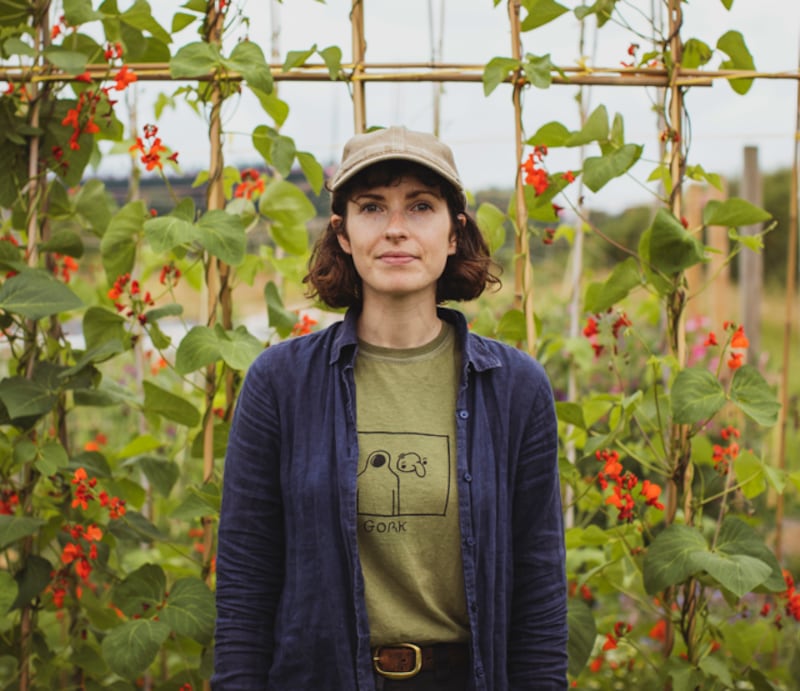
Jo Poulton, a vegetable grower from England is the founder of the Basic Income for Farmers in the UK. Three pilot basic income schemes are in train across the UK, including a Scotland-wide initiative promoting a basic income scheme for all farmers, farm workers and crofters.
The Grow More Growers basic income scheme includes four landowners in Buckinghamshire who rent land to new growers, who are paid £1,000 a month (€1,184) for three years to establish new market gardens.
The rising cost of urban living is encouraging some young people to consider settling in the countryside if they can make a living from the land.
“You can make a living from a small amount of land,” says Janet Power who, with her partner, Jenny Watkins supplies restaurants from Gorse Farm, their organic market garden of one hectare.
The Feeding Ourselves Local Food Symposium in Trinity College Dublin heard testimonies from these and other small holders – many passionate about environmental stewardship and revitalising rural communities.
“There is a revolutionary potential of food to bring our communities together – to bring growers on the edge of our cities together with activists in the cities,” says Barry Ferguson, who offers practical training for market gardeners in Northern Ireland.
Yet the average age of Irish farmers is 59, and succession is an issue for one in five farmers across Ireland.
Chris Smaje, an author and vegetable farmer in Somerset who spoke at the event, says local and global policies do not support small vegetable producers.
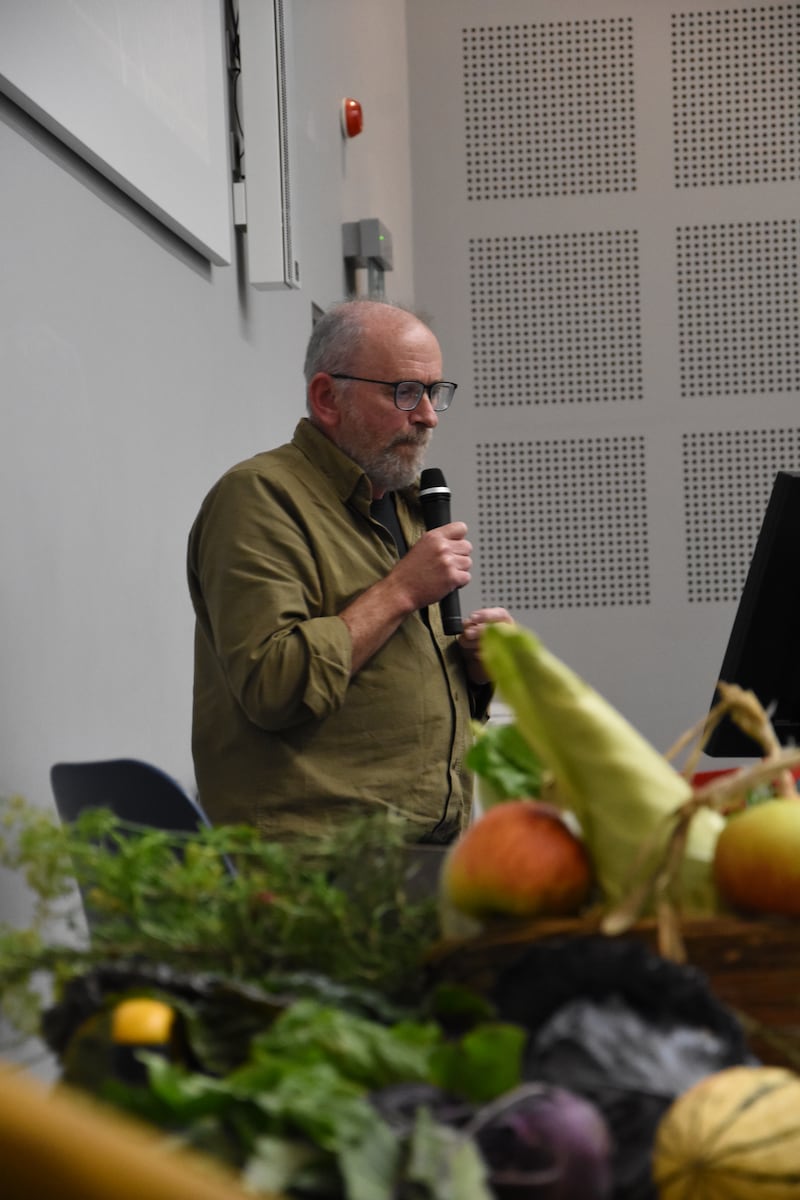
“Farmers are pressurised to produce what they can produce most advantageously and sell it on the global food market which results in too much of the wrong food in the wrong places going to the wrong people,” he says.
The author of books including A Small Farm Future, Smaje says reinventing small farms and local production is a key to solving climate change and resilience to geopolitical tensions.
“We need to get beyond the atomised global consumers meeting atomised global producers and instead have local communities of growers and producers where we meet and eat food,” he says.
He acknowledges developing such a local food economy would require new skill sets and an understanding of the limits of what can be produced locally.
But he says giving small-scale food producers the opportunity to thrive alongside the dominant grass-based livestock production for the export market could contribute to revitalised rural economies for the benefit of all.