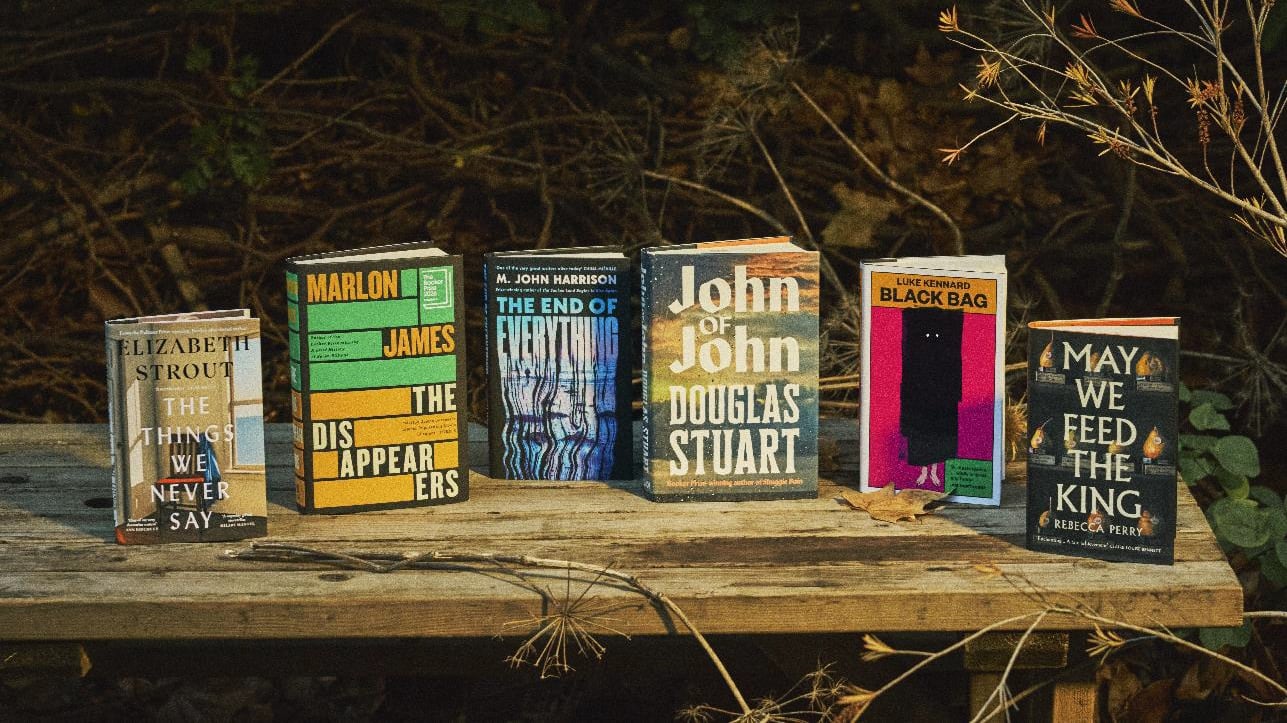
Tobias Ellwood, a former Conservative MP, chair of the UK select committee on defence and retired British army captain, has written a frankly terrifying step-by-step guide to averting an imminent global war that would lead to planetary annihilation.
At a time of proliferating conflict and a rise in authoritarianism, Ellwood charts the manner in which regional conflict could “metastasise” into an Armageddon fuelled by AI “kill webs” and “kill chains” activated by non-rational actors such as Vladimir Putin and others.
Simply put, Ellwood states we are at an inflection point in human history where “The age of the unthinkable is creeping closer to thinkable”. To prevent humanity from “sleepwalking” into a nuclear apocalypse, the central argument of the book is that the “world order” as envisaged in the 1944 Bretton Woods Conference ought to be reformed and restored, not abandoned.
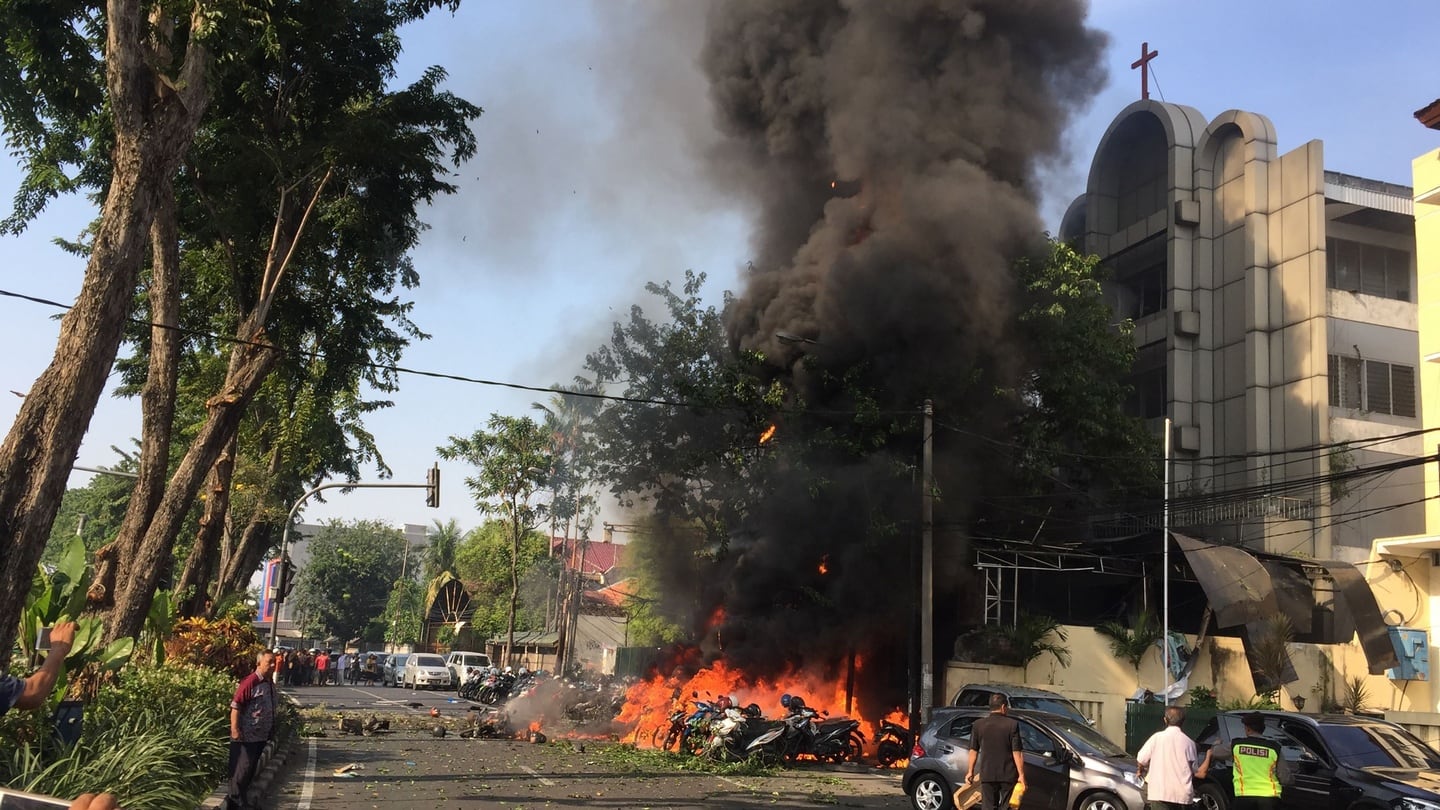
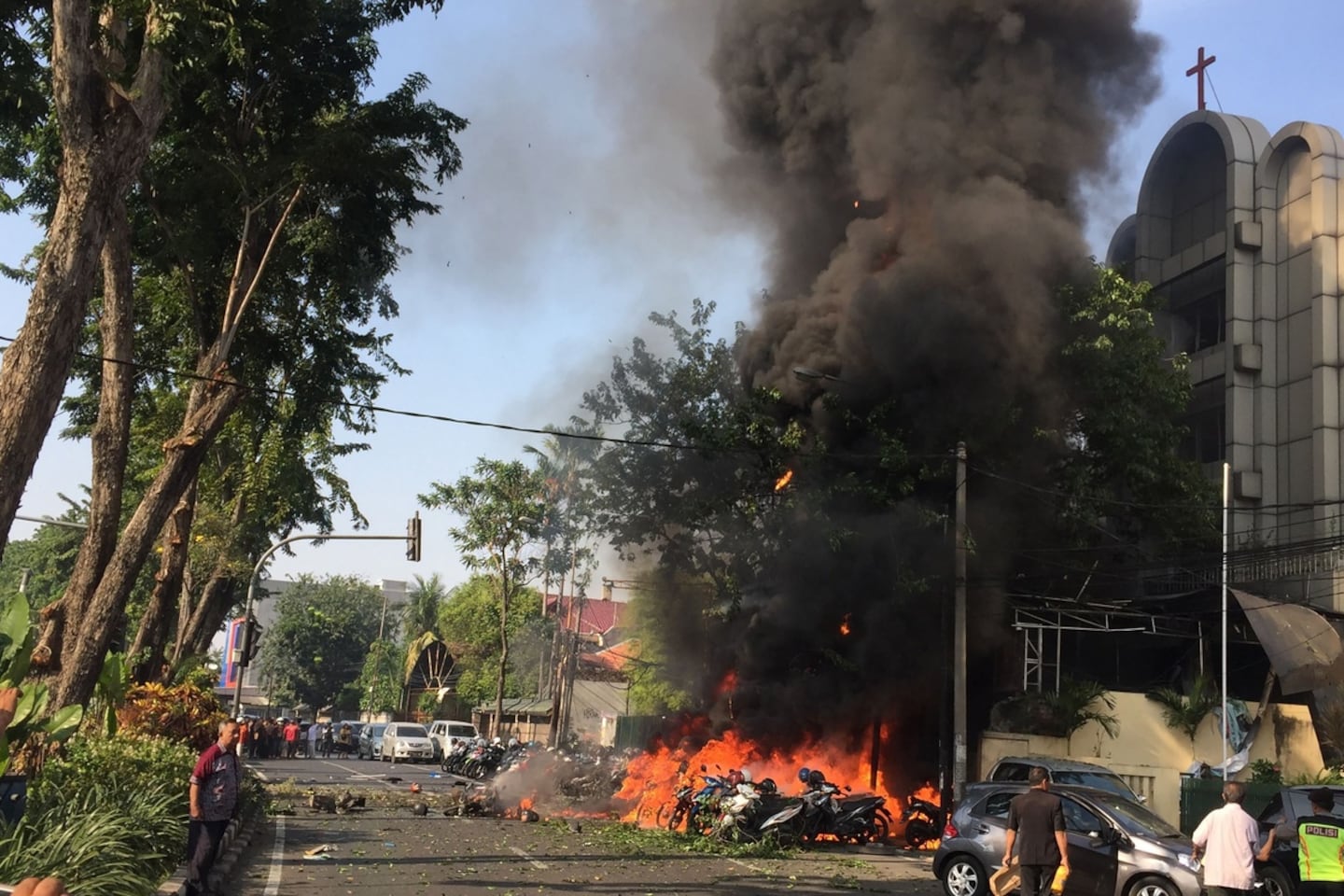
Ellwood’s work is nuanced and informed by his lived experience as a professional soldier, politician and a man who understands, on a very personal level, the human cost of conflict. The book is dedicated to his brother Jonathan, who was killed in the Bali bombings of October 2002.
READ MORE


He critiques the West’s oft-quoted “rules-based” world order with its central pillars such as the United Nations and the rules and conventions of international warfare, observing that many emerging powers are distrustful of western hegemony. Underlining the need for major reform and a to what he terms “Bretton Woods 2.0″, he states “Western power claims universality, but practices exception”.
Essentially, the book is a call for dialogue and to “reassert statecraft”, with world leaders moving away from AI-enhanced hard power to old-fashioned, much underrated soft power and in particular what he refers to as “smart power”.
Ellwood argues that the investment we put into air strikes and drone warfare should be matched by negotiation, “accommodation” or pragmatic compromises between global powers and “managed rivalry”. The alternative is mutually assured destruction by way of weapons of mass destruction and uncontrolled climate change.
What is most sobering and alarming to me in reviewing this book – and others on contemporary conflict for The Irish Times – is the manner in which Ireland is highly exposed in all domains of 21st-century warfare. Our Government, which often appears functionally illiterate on defence and security matters, needs to invest in all-of-society resilience. As Ellwood concludes: “In the modern era, resilience is deterrence. And society itself is the front line.”
Tom Clonan is an Independent Senator and a retired captain in the Irish Army