Good morning. Budget day is finally upon us. Minister for Finance Simon Harris and Minister for Public Expenditure Jack Chambers will announce Budget 2027 in the Dáil from around 1pm today.
Follow irishtimes.com for updates throughout the day.

The Government will unveil another giveaway budget, which will include reductions in tax for middle-income earners worth up to €1,500 for a couple with a combined income of €100,000.
In addition, it is expected there will be small reductions to the existing 33 per cent rate of capital gains tax.
The tax-free threshold for inheritance tax from parents to children is expected to increase by €20,000 to €420,000, though some of these details were still being hammered out late on Monday night.
The restoration of excise on petrol and diesel, due to begin on November 1st, is expected to be postponed until March 1st, while significant reductions in carbon tax on home heating oil will also be announced.
You can read our lead budget story here and everything we know so far about the budget here.
Alongside live news updates, analysis, newsletters and videos, The Irish Times will have an expert team on hand to answer your questions in our Budget Q&A on irishtimes.com.
Do you have queries around income tax bands and what the end result will mean for your net pay? Or would you like to know about your specific situation when it comes to welfare rates and pensions? If so, Dominic Coyle of The Irish Times will be joined by Beryl Power and Ruth Gilligan from PwC to answer your questions.
The form to add submissions will be added here later today.

The final budget negotiating sessions at Government Buildings on Monday came after protracted and often difficult negotiations over the weekend at which Minister for Public Expenditure Jack Chambers came under pressure to concede to spending requests from several departments.
Chambers has insisted on sticking to a ceiling of a 6 per cent spending increase across Government as a whole, which has meant many Ministers have seen increases for their departments set at considerably lower than this because of higher increases in some big-spending departments. However, supplementary estimates – ie, budget top-ups – will still be necessary this year.
You can read more about that here.

The main late budget change is in income tax, writes Cliff Taylor.
The Government had downplayed the potential gains here, talking of €400 a year for a single employee.
However, as Pat Leahy reported this morning, the numbers have grown. This was always likely given the size of the tax package.
The combination of a €2,500 rise in the income level at which people become liable for the higher 40 per cent tax rate and increases in the main tax credits will mean around €750 extra for a single middle earner and €1,500 for a two-income couple.
USC and PRSI changes will need to be counted in to come to a full tally.

Help to buy scheme and rental tax credit due to be increased
In terms of housing, first-time buyers will be able to access up to €35,000 towards the deposit on their first home, under the Help-to-Buy scheme. This increases the limit by €5,000.
The rent tax credit, currently amounting to €1,000 per year, is expected to be increased. A higher level of €1,200 per person was under discussion.
The tax-free rental income allowance is also expected to be extended to backyard cabins.
Modest increases to the three inheritance tax thresholds are expected.
Everything we know so far about Budget 2027 can be found here.
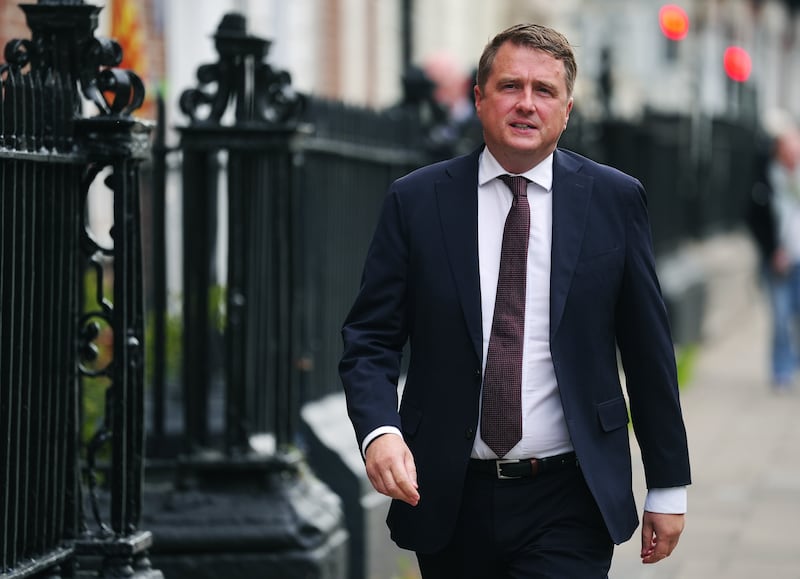
Low income families will be supported, says public expenditure minister
Minister for Public Expenditure Jack Chambers has outlined the Government’s priorities for the budget as he arrived into Government Buildings this morning.
“We’re using our social protection system to support low-income families, particularly those facing significant cost pressures,” he said. “This has been a priority in all the budgetary discussions, and I think you’ll see that reflected later on.”
Asked about prospective industrial action by public sector employees, he said: “I’ve been absolutely clear for weeks and months that we want to reach an agreement on public sector pay. We want industrial peace, and I urge trade union representatives to return to the table and begin constructive discussions.
“Industrial action is causing significant disruption to the public, and that disruption will worsen if matters continue to escalate. I’ll be making provision for and prioritising public sector pay in the decisions we’re making, and I hope those negotiations can now move forward.”
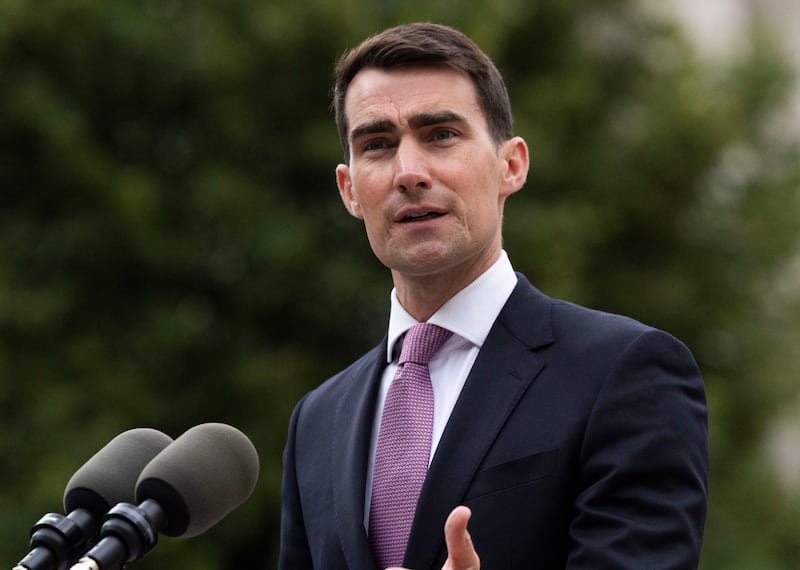
We have some more details on the new savings scheme mooted by Minister for Finance Simon Harris over recent weeks.
The monthly limit for contributions will be €1,000, reports Cliff Taylor. This will be more than most people could afford but will limit the pace at which people can transfer existing investments.
The one remaining piece of information awaited is the total level of investment people can hold in the scheme before the special one per cent tax on the balance kicks in.

Budget package to include support for hosting Ryder Cup and Euro 2028
There will be €22 million in the budget package to support hosting the Ryder Cup in 2027 and co-hosting the 2028 European football championship.
There will also be an overall increase of €5m for current Irish language spending which will go towards Gaeltacht and language support schemes and language planning.
It will include funding of €1m to be provided for North-South co-operation to support the work of Foras na Gaeilge.
Current funding for island transport services will increase by €1.5m to €13m.
Capital expenditure continues for projects such as Inis Oirr pier, Conradh na Gaeilge headquarters on Harcourt Street in Dublin and Colaiste Lurgan in Indreabhán, Co Galway.
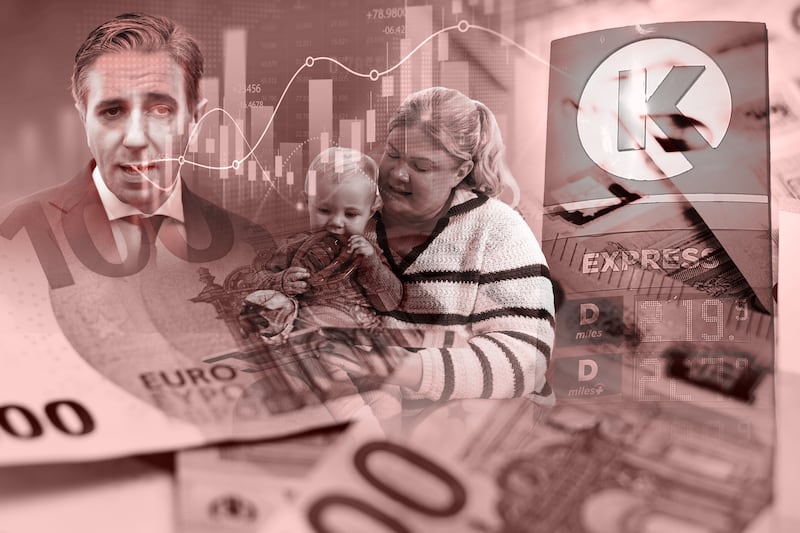
What will the income tax changes mean?
Our consumer affairs correspondent Conor Pope has been crunching the numbers. He writes: The big winners - if winners isn’t too strong a word for it - from this afternoon’s budget are likely to be couples in a household where both earn in excess of €50,000 a year.
The entry point for the higher rate of income tax is set to rise from €44,000 to €46,500, which will save such households a total of €1,000 over the course of a year.
An increase of €125 in the personal tax credits will see the income tax bill for the couple fall by a further €250.
The era of Charlie McCreevy – where nobody had a clue what he was going to announce until he stood up in the Dáil – is well and truly gone, writes Harry McGee in this morning’s political digest.
The chances of a decentralisation style announcement today are as remote as Rockall.
The full digest can be read here.
Increase expected on box of cigarettes and disposable vapes
The last few budgetary measures are now leaking out, reports Jack Horgan-Jones.
It now looks like most workers will get a €125 tax credit (two in a double income household) and there will be a €100 home carer credit increase.
The ceiling for the second USC band (two per cent) will go up €1,600 to €30,300, targeting lower earners. The capital gains tax will go down two per centage points.
The tax free threshold for earnings under the rent a room relief will rise to €16,000.
An increase of up to €1 on a box of 20 cigarettes is also expected as is a 20 cent per ml tax on vapes, adding about 40 cent to a small single use disposable vape.
The reduction in kerosene costs will be for the lifetime of the Government.
The €200m levy on the banks will reappear in Budget 2027, the same level as 2026.

Further 79 cent increase in minimum wage expected
The Government is expected to agree to a recommendation by the Low Pay Commission for a further 79 cent increase in the minimum wage, which would bring the current rate from €14.15 per hour to €14.94.
However, the introduction of a living wage - to replace the minimum statutory rate - is expected to be pushed out again, reports Eoin Burke-Kennedy.
Last year, Minister for Enterprise Peter Burke announced a three-year delay to the introduction of the living wage, pushing the target date out from 2026 to 2029. This is now likely to be moved again.
The minimum wage has become a major flashpoint with worker advocates demanding relief from the high cost of living and business groups warning of severe labour cost pressures.
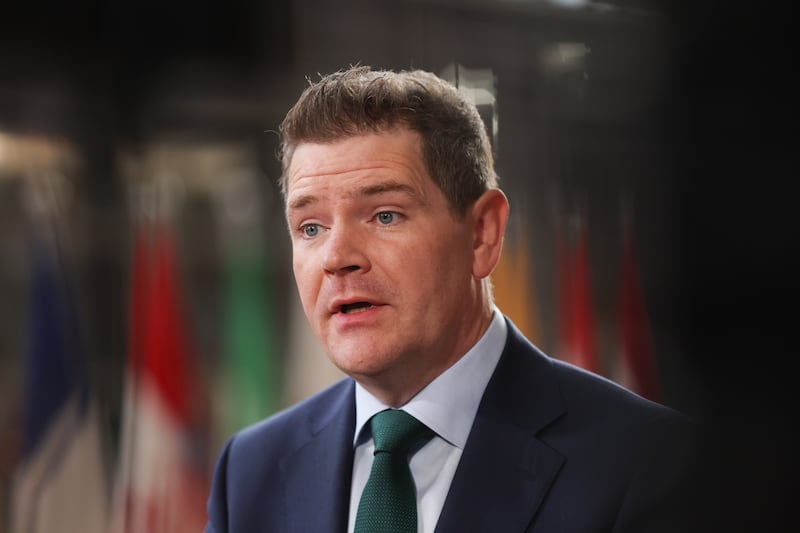
The budget should put Ireland on track to break €100 million in funding for high-performance athletes in an Olympic cycle for the first time.
Extra funding will be provided for Sport Ireland to support the development of Gaelic Games, in particular to develop hurling and camogie in non-traditional and urban areas, reports Jack Horgan-Jones.
An additional €1m is expected for the inter-county player support scheme to support elite Gaelic Games players.
There will also be another €1m (10 per cent increase) for the reconciliation fund run by the Department of Foreign Affairs, which funds community groups in the north with a focus on cross community engagement.
Budget to be formally unveiled within the hour
Formal proceedings will start at 1pm when Minister for Finance Simon Harris presents the budget to the Dáil, followed by the Minister for Public Expenditure and Reform Jack Chambers presenting the public expenditure side of the equation.
The Opposition spokespeople will then get a chance to reply at length and at volume.
In the afternoon, Ministers will hold a series of briefings outlining how the budget will impact their departments. The Dáil will then take a break and resume at 8pm to hear financial motions, and to vote on any financial, welfare or excise measures that need to be implemented immediately.
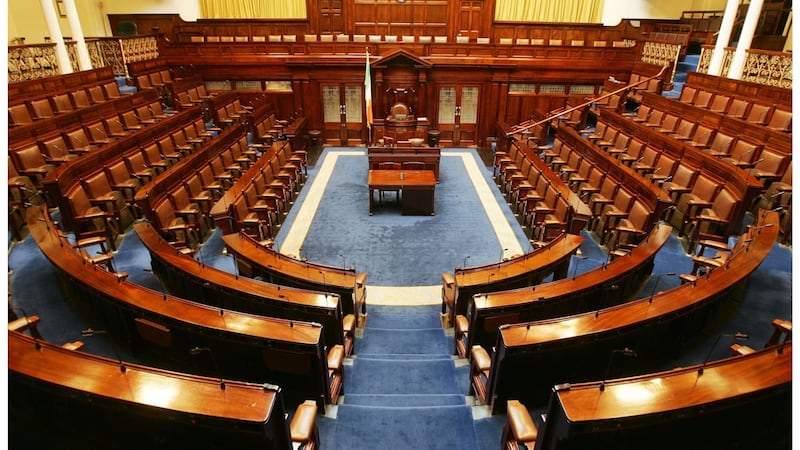
The Leinster House campus has been quiet and very rain sodden on Tuesday, reports Harry McGee.
So far, there are no protesters on Kildare Street but that may change closer to 1pm when Simon Harris stands up to read his first budget as Minister for Finance.
It has been raining steadily all morning and that might have contributed to the slightly subdued mood around the place.
It is certainly not a subdued budget with an overall package worth €8.5 billion of extra spending, brining overall spending in 2027 to an eye-watering €118bn. As we speak Harris and Minister for Public Expenditure Jack Chambers are doing a photocall at Government Buildings.
Some of the Opposition parties have been doing doorstep interviews out of the rain under the portico that links Leinster House to the newer extension at LH 2000.
Ciaran Ahern of the Labour Party criticised the mooted measures to address high fuel prices and pushed his party’s suggestion of a €800 targeted energy credit.
He also argued that the decision to suspend carbon tax on home heating fuel was “tokenistic” as it would only reduce the price of a €1,500 tank fill by between €40 to €50.
The party’s disability spokeswoman Laura Harmon said there was unhappiness among disability groups about the once-off cost-of-disability payment of €500 as they have called for recurring weekly payments of €55, which would be essential to achieve levelling up for people with disabilities.
The Green Party leader Roderic O’Gorman has also called for targeted energy credits but also says that the budget should have set aside significant capital investment to allow households make the transition to renewable forms of energy and reduce their dependency on oil, gas and diesel for heating and transport.
It has also called for a €70 million payment to the National Transport Authority (NTA) to allow it cancel proposed fare hikes averaging 15 per cent.


