

Getting your finances straight, prioritising your mental and physical health and finding enjoyable ways to spend your time are key to a happy retirement
If you’ve spent years working for the boss from hell, then it’s likely retirement can’t come fast enough. But if your working life has been tolerable or, better still, enjoyable and fulfilling, calling it a day can come with mixed emotions.
We’ve all come across energetic retirees with a bucket list as long as your arm, but not everyone views this pivot in their lives in the same light. Worries about health, having enough money to live on or caring for others can peak around this time.
And there’s always the potential for family friction if adult children assume that their recently retired parent has nothing else to do but look after their grandchildren.
READ MORE


Retirement is a huge change for the retiree but it also triggers upheaval for the whole family, especially for a partner used to having the house to themselves for most of the day. Suddenly having to share 24/7 with someone who mopes around the place or has no interests or hobbies can be a huge strain. It is a possible explanation for a spike in separations among those in their 60s.
In an ideal world, those nearing retirement age would begin planning ahead. A good place to start is by sorting out your immediate finances. (Your pension is whole a different ball game that needs to be dealt with separately.)
Once retired, you may have less money to spend day to day which makes it important to decide what your financial priorities are. Do you want to spend your money on travel, on your home or hobbies or helping out the family?
Incomes typically fall post-retirement so while you are still bringing in a regular wage it is worth dealing with outstanding debts such as loans and credit cards.
If you have multiple loans and/or several credit cards with outstanding balances, try to pay off what you can before you retire and consider consolidation to save on fees and card and interest charges.
Some people like to have two credit cards for emergencies. However, it is best to stick to one as your main card for buying and become vigilant about paying off the balance each month, bearing in mind that there will be no monthly salary to cover the cost if you overspend or let the interest build up.
Check with your bank if they offer any perks to older customers, such an account with reduced fees and charges. These accounts are usually available for those aged 66 or over.
Some banks also offer financial advice and planning for older customers but, like a lot of things in life, if you want it you have to ask for it.
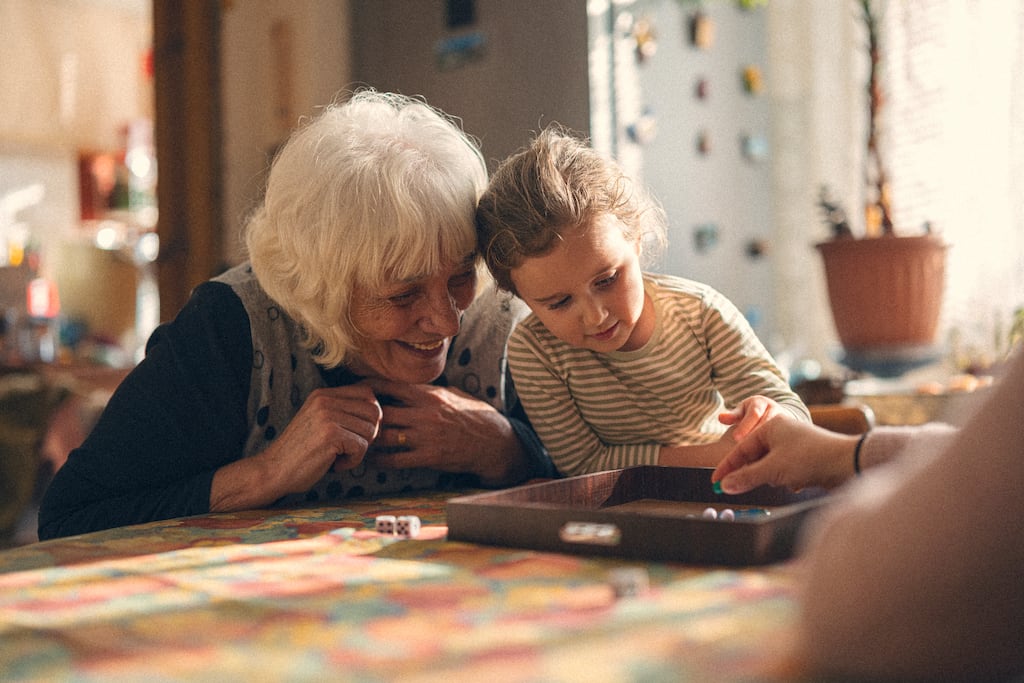
Retirement can be an opportunity to reinvent yourself and to do the things you’ve always wanted to do. It can also provide more time for grandchildren which can be good or not so good depending on the circumstances.
The sentiment often expressed by grandparents is that while they love their grandchildren, it’s great to be able to hand them back to their parents. That is something that has become a lot trickier with childcare costs and places at a premium.
As a consequence, some adult children expect parents to step up for child-minding duties. Declining to do so or putting conditions in place can go down badly at times. These are potentially troubled waters so it may be worth thinking about how much babysitting you want to do and to be clear in your own mind about the boundaries before the time arrives.
Otherwise what starts out as a casual or stopgap arrangement can morph into a full-time commitment that is hard to get out of.
One solution is not to be permanently available. That’s where getting stuck into new hobbies or activities comes in. Volunteering, a new sport, a hobby, taking up an academic course or joining a choir or sea swimming group are all sociable ways of spending time that help foster good mental health and maintain the interpersonal connections that inevitably diminish when you’re no longer in full-time employment.
One often hears retirees opining that they’d prefer to watch paint drying than going hillwalking or playing bridge. But there are many other options if you dig a little. For example, rug tufting (very satisfactory as you do it with a gun and the pieces take shape fast) or joining a percussion group. Rhythm and beat are very therapeutic, and percussion includes a myriad of styles from African djembe to Japanese style drumming to learning to play the bodhrán.
Making stained glass pieces seems to suit those who like precision and wielding a soldering iron, while fused glass is a wide-open form of expression where creativity can run wild. Add to that activities like stone cutting, willow sculpture, axe throwing and Mahjong, and you are still only scratching the surface of what’s out there.
Health
Having ticked the boxes marked “money” and “filling time”, the third pillar is health and what you should do to mind it.
There is no shortage of health gurus telling us how to eat and how to exercise and it can be easy to get overwhelmed by all the noise. But strip it back and it’s pretty simple.
Move as much as possible, stay hydrated to avoid urinary tract infections, maintain social contacts and eat to preserve muscle strength, bone density and a good gut microbiome. Appetite can reduce with age so it’s important to keep a steady calorie intake to maintain energy levels and feel well.
As we get older, the combination of underlying medical conditions and natural ageing can disrupt the systems that normally keep us upright. Balance problems are one of the main fall risks for older adults.
A bad fall can be life changing which is why it’s worth incorporating exercises to maintain balance into your daily routine. These exercises require no special equipment and even 10 minutes a day has been shown to cut the risk of a fall. One of the simplest is calf raises which can be done at the worktop while you’re waiting for the kettle to boil.
ExWell Medical is a not for profit social enterprise that runs medically supervised exercise classes (and online health information sessions) for older people in the community. It was started by Dr Noel McCaffrey in 2019 and the aim is to keep people moving even if they are living with health issues, debilitating conditions or recovering from serious illnesses such as cardiac events or cancer.
The classes are pitched at different fitness levels and some can be done seated. To join a group, you must be referred by a medical practitioner. Full details of the locations of ExWell’s classes are on the organisation’s website.
For those who feel they would benefit from a more formal introduction to what retirement may bring, the Retirement Planning Council of Ireland runs year-round courses for those coming up to retirement. You can pay up and go as a private individual or your company may be willing to foot the bill so it’s worth checking that with HR.
The courses cover areas such as financial readiness, pensions, legal and lifestyle transitions.
You can contact us at OnTheMoney@irishtimes.com with personal finance questions you would like to see us address. If you missed last week’s newsletter, you can read it here.