

Glossy coffee-table books about unimaginably wealthy people’s elaborately planted, expensively landscaped, immaculately maintained gardens can sometimes leave me feeling an unseemly level of cynicism. Much of the reason for this is that the hands that tend those same gardens are often not those of the owners themselves, some of whom may not know a shovel from a fork, but instead those of their hard-pressed, possibly underappreciated, generally not very well-remunerated gardener or gardeners, who typically remain entirely anonymous through no choice of their own.
So to flick through the pages of Stephanie Mahon and her husband John Campbell’s new book, The Creative Gardener: Inspiring People, Remarkable Gardens, is a treat for many reasons – not least because it highlights the hard graft, ingenuity, love and fierce effort that those people featured in its pages have personally poured into the plots they tend. None are household names in the way that a rock star, famous actor, technocrat or billionaire might be, although a few will be familiar to some readers, such as the food writer Nigel Slater; the floral artist Bex Partridge; the Wicklow gardener, educator and social campaigner Jimi Blake of Hunting Brook Gardens, and the Cork-born, London-based garden designer and ceramic artist Declan Buckley.
Of the 30 individuals featured, many came to gardening by a circuitous route, such as the garden designer Sarah Price and the flower-farmer-florist Rachel Siegfried, who both originally trained in fine art; Charlie Harpur, head gardener at Knepp who studied architecture; the landscape designer Thomas Blunt whose CV includes a stint as a dog-sledding guide in Canada and an unfinished degree in biochemistry; the Afghan war veteran turned professional horticulturist and head gardener Joshua Sparkes, and the former rock critic turned garden writer Alice Vincent. Others featured, such as the singer Kyla La Grange, discovered a love of gardening in adulthood, sometimes giving up well-paid, well-established careers to pursue professional horticulture in one shape or another.
What they share is that the gardens they tend are their spiritual touchstones, the places where they go to nurture their creativity and find a soothing, salving retreat from the relentlessness of modern life. By vividly sketching their stories, including the various tribulations along the way, Mahon gives a great sense of the intensity and intimacy of that relationship and how it feeds their life force. Campbell’s elegant, atmospheric photography beautifully reinforces this, providing a rich sense of place and people.
READ MORE


In a world where social media relentlessly markets “perfection” as the bar we all should aim for, The Creative Gardener serves as a valuable reminder of the endless joy that gardening gives if we give up that other, fruitless pursuit. Real gardens, as Mahon says in her thoughtful introduction, aren’t perfect, just as life is never perfect, nor is perfection possible or indeed even desirable. “Every gardener works within limits, whether it’s the size of their plot or budget, their soil or aspect, or having to also manage full-time jobs, young children, illness or grief.”

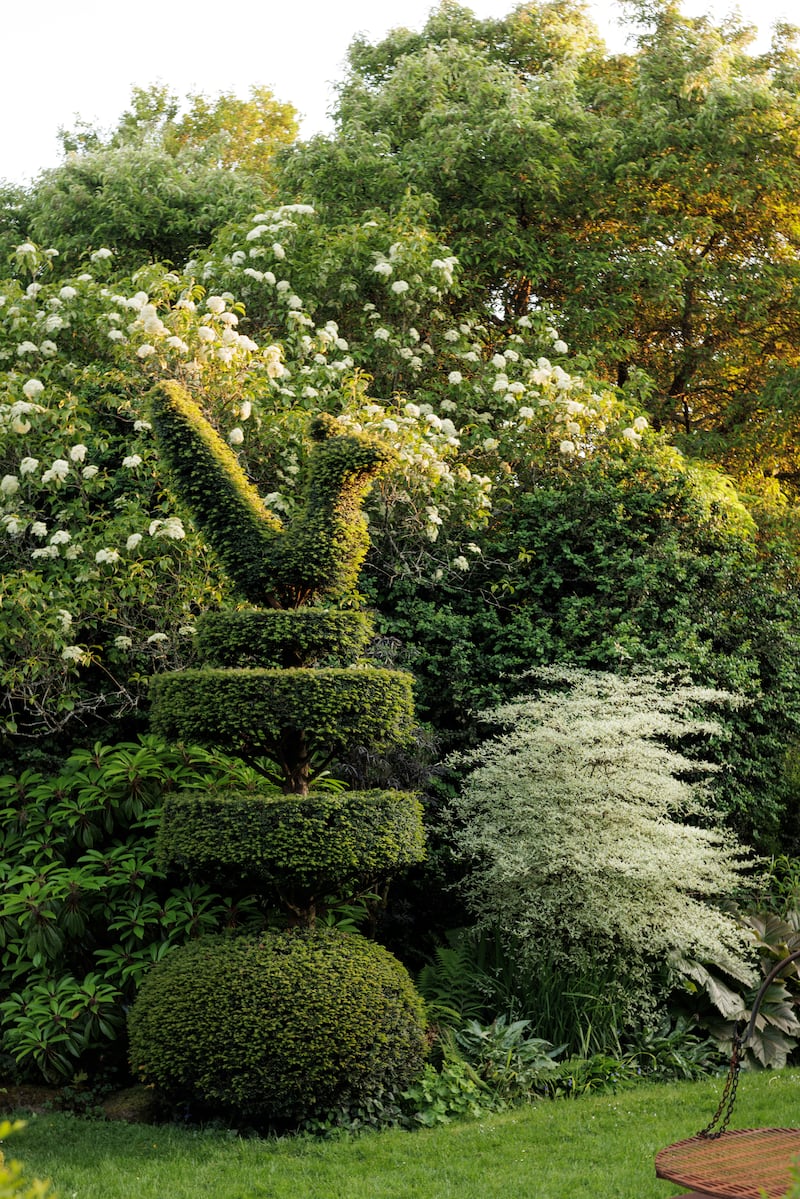
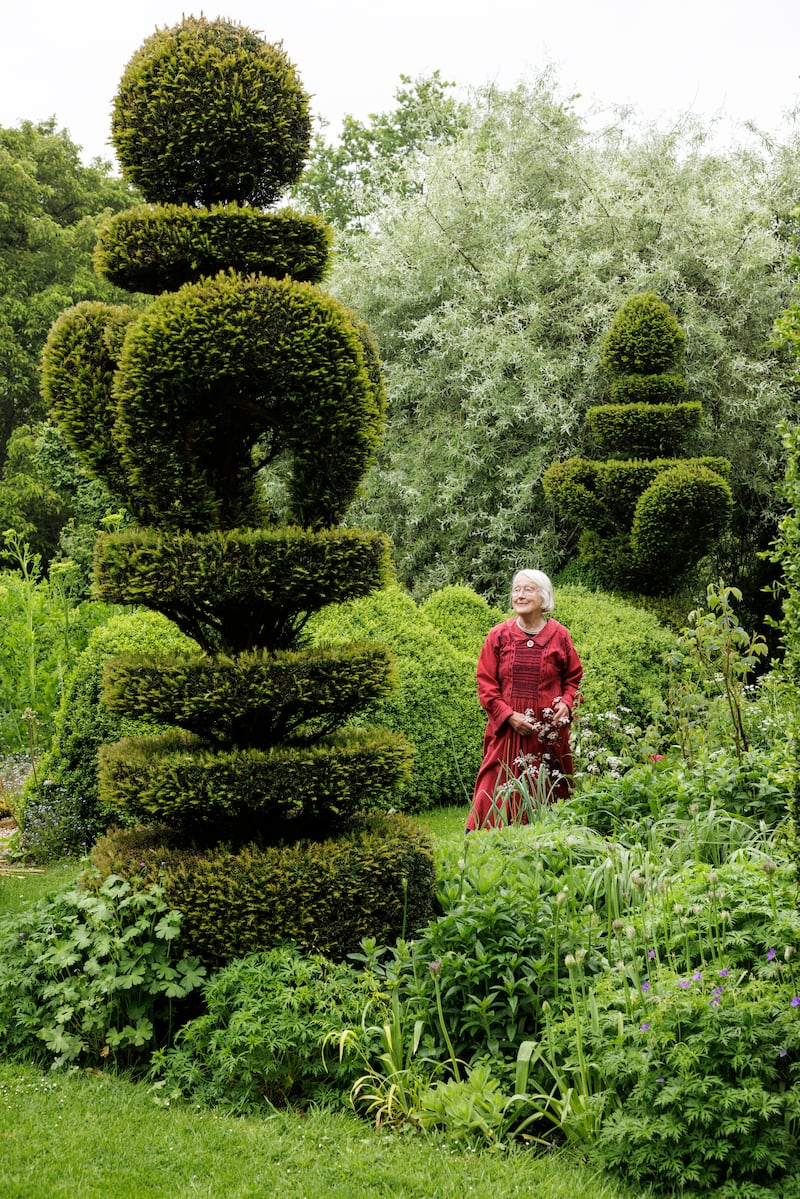
It’s also important proof of how the best gardens gradually evolve in parallel with those who tend them. One of the oldest gardeners featured in the book is the topiary artist Charlotte Molesworth (whom I coincidentally mentioned in this column just a few weeks ago). She and her husband Donald have spent 40 years creating their wonderfully idiosyncratic garden at Balmoral Cottage, a place filled with giant topiary specimens reminiscent of the movie Edward Scissorhands that the couple grew from tiny cuttings and baby plants.
When they bought the property as a young, almost penniless married couple, it was “small and almost derelict, with a leaking roof, wonky foundations, bad wiring, one meagre light bulb, and a Rayburn for warmth”. Unable to get a conventional mortgage, Donald instead agreed a payment plan with the sellers, who also happened to be his employers. Surviving on a tiny household budget, they succeeded in creating a uniquely magical space by dint of decades of hard work, patience, artistry and a deep-rooted love of gardening, honing their considerable skills along the way.
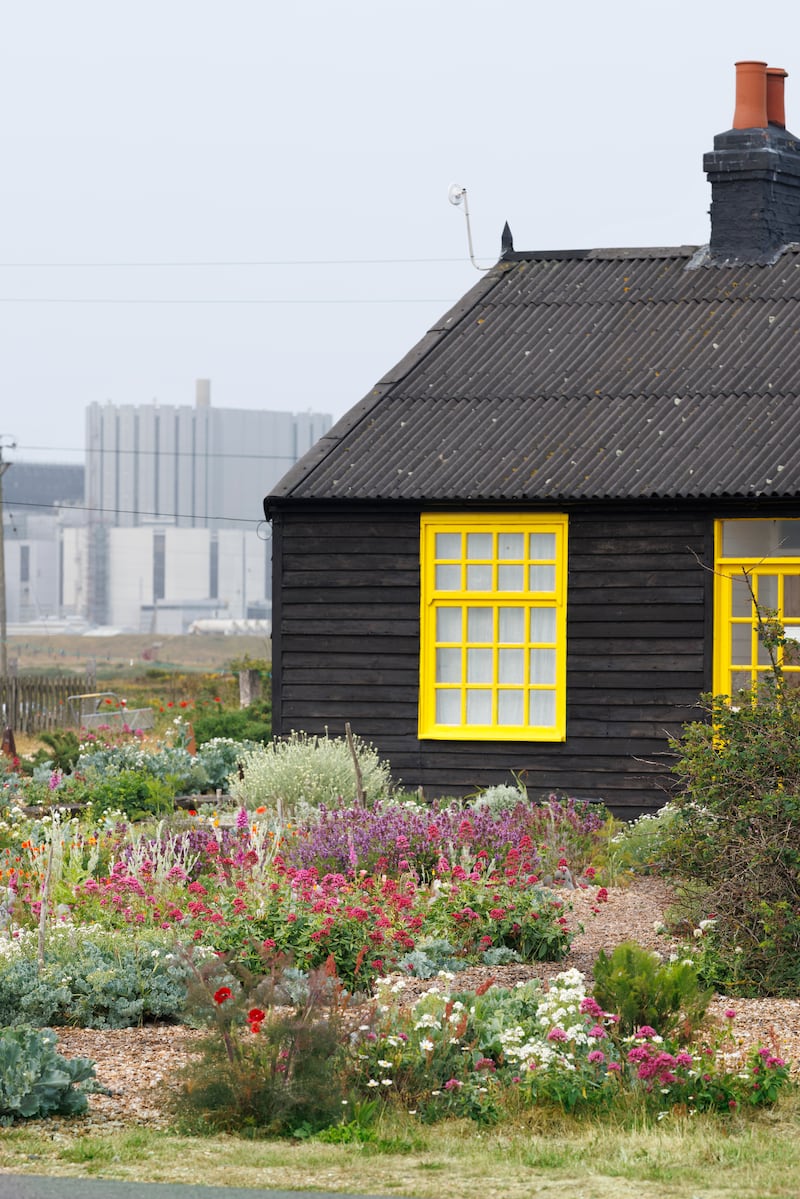
Jonny Bruce, the British nurseryman, garden writer and botanical artist who tends the world-famous garden of Prospect Cottage, the starkly beautiful creation of late film-maker and author Derek Jarman, also features in the book. He too studied fine art as a young man but was considering dropping out of college when he headed to Italy one summer and found work in the gardens of Villa La Pietra. Being surrounded by the beauty of Florence’s historical gardens turned out to be a light bulb moment that led him to Dungeness and a garden he describes as having “grown out of the landscape”. Bruce eventually took on the role of its steward, balancing the responsibility to preserve Jarman’s unique vision with the need of any living garden to continue to evolve and change.
That’s equally true of John Little’s endlessly experimental garden, Hilldrop, where biodiversity and habitat creation is every bit as important as beauty. Campbell’s photograph of Little’s old blue Citroen van half-buried in the ground and surrounded by a drift of hops, sweet pea and teasels tells us a thousand words about the latter’s maverick approach to the art of garden-making.

In short, if you’re looking for a “How to” gardening book, this is not it. Instead The Creative Gardener is unabashedly a “Why to” gardening book, and beautiful for it. To quote Mahon, “the key lessons I have learned from my time with these generous and talented people are these: be curious, be patient, be bold ... and just care.”
The Creative Gardener: Inspiring People, Remarkable Gardens by Stephanie Mahon and John Campbell is published by Quarto/Frances Lincoln.
This week in the garden
October brings the likelihood of the first of autumn’s harsh frosts, so place any tender or half-hardy potted garden plants such as pelargoniums, banana, begonia, salvia and bedding fuchsia under cover of a glasshouse, polytunnel or even under the eaves of a roof to protect them. Some will also need an additional layer or two of horticultural fleece.
Reduce watering of food crops growing under cover of glass or plastic to minimise the chance of disease, and only water in the morning for the same reason.
Dates for your diary
‘From English Borders to Mediterranean Resilience: Rethinking Garden Design for a Hotter, Drier Future’: A talk by Lucie Willan Foxrock Church Pastoral Centre, Dublin 18; Tuesday, October 27th (8pm-10pm), on behalf of Foxrock & District Garden Club.