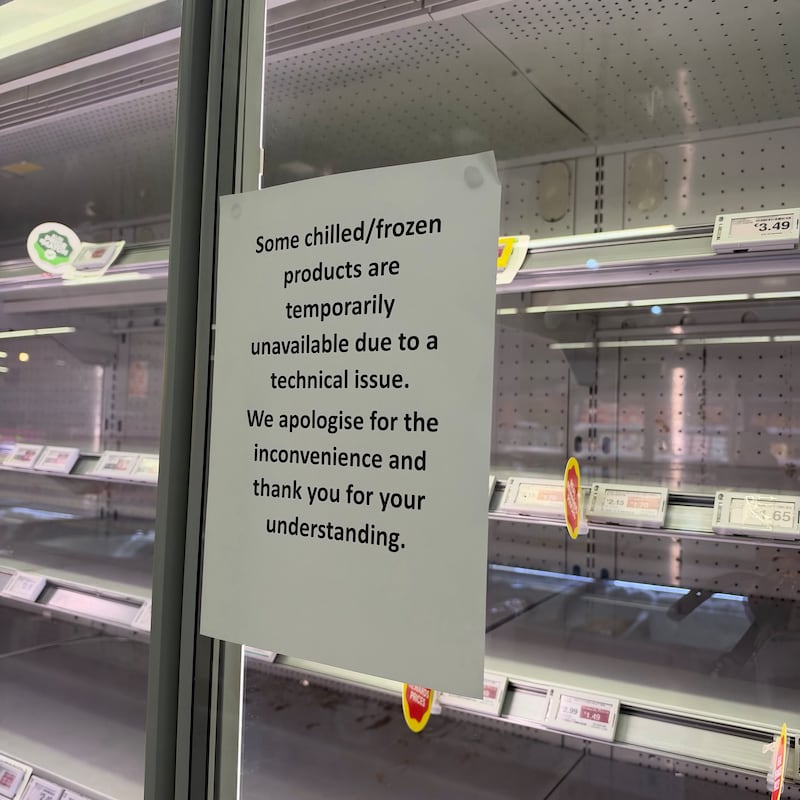
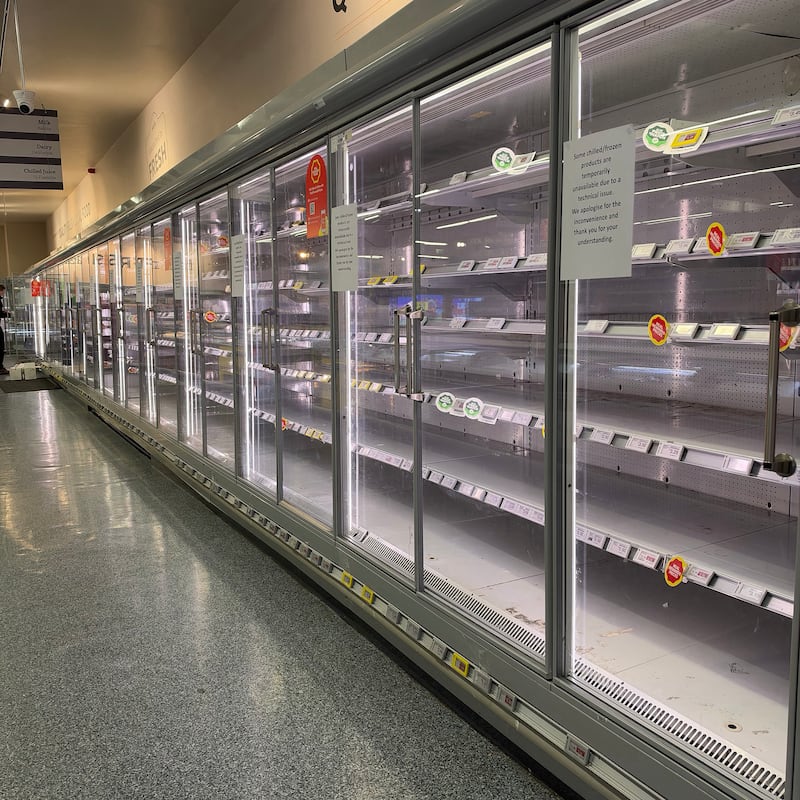
Supermarket chain SuperValu says it has fully resolved problems caused by a cyberattack on its refrigeration systems, which obliged it to remove chilled and frozen products from shelves in 13 stores on Monday morning as a precautionary measure.
In a statement, a spokesman for SuperValu owner Musgrave Group said the stores were now operating as normal, with replenishment of its fridges “well under way”.
Earlier on Monday, a spokesman confirmed a “cyber incident” affected SuperValu’s refrigeration systems. However, he said the impact was limited to a “specific model” of refrigerator.
The Irish Times understands that stock in Lucan, Blanchardstown, Waterford and Bray, among other locations, was impacted, with the bill expected to run to thousands of euro. The stores remained open, and other goods were unaffected.
READ MORE



“Our monitoring systems alerted us to the issue, and we took immediate action,” the spokesman said.
“As a precaution, chilled and frozen products in the affected stores have been removed from sale, and all other products remain available as normal. Customer safety is our first priority, and customers can be confident that products on sale in our stores have been stored at safe temperatures.”
This afternoon, Musgrave Group said the matter has “been fully resolved”.
“We are working to ensure customers can get everything they need as quickly as possible,” the spokesman said. “We would like to thank our customers for their patience and understanding.”
[ Supervalu cyber attack tells us that nobody is immuneOpens in new window ]
Musgrave has declined to provide the names of the stores or the value of the stock affected by the cyberattack.
Although the impetus for the attack has not yet been established, “direct financial benefit” is not usually the motivation for incidents of this kind, said Utz Roedig, professor of computer science at University College Cork.

Glenisk co-owner Vincent Cleary on rebuilding the company after it burned to the ground
“In this case, the attacker tries to create disruption to our everyday life; so we see our shopping for food is disrupted,” he said. “The motive is unclear and unknown; it could just be a case that someone might do this just because they can; however, it could also hypothetically be a state actor that wants to cause disruption to another country.”
It is not yet clear whether the incident is related to a spate of apparent cyberattacks on European supermarkets in the past 24 hours.
The Financial Times reported on Monday morning that fridges in dozens of grocery retailers in Sweden and Belgium have suddenly overheated in a suspected cyberattack, ruining food worth millions of euro just weeks after French retailers were targeted.
Freezers at Ica and Coop shops in Sweden were turned up to as high as 55 degrees, while supermarkets belonging to Ahold Delhaize and Carrefour were affected in Belgium.
It follows a separate cyberattack last month on hundreds of fridges in French supermarkets that caused fires and food losses. The disruption affected 700 stores, including those from the Intermarché, Coopérative and Carrefour chains.
The hacks in France were executed through centralised, internet-connected fridge controllers that allow contractors to remotely monitor temperatures.
Attackers gained access to some of those systems and manipulated their settings, triggering prolonged defrost cycles that caused refrigerators and freezers to heat up.