The last thing Eddie Dunbar remembers thinking to himself before clipping the small manhole cover was the simple need to stay upright on his bike. With just 8.5km to go in last Saturday’s penultimate stage of the Vuelta a España, after 20 days of racing and only Sunday’s ceremonious ride into Grenada remaining, this wasn’t the time to take any chances, nor switch off in any way.
Especially not after Dunbar had pulled off an epic mountainous stage victory just 24 hours earlier, the Cork rider timing his late surge to the summit finish at Peñas Blancas with joyous perfection. It was a first Grand Tour stage win for his Swiss team Pinarello Q36.5, while just six months earlier, Dunbar had come “very close” to quitting cycling, such was his seemingly inexplicable run of crashes and injuries. He had the sense that if it wasn’t for bad luck, he’d have no luck at all.
“Saturday was another brutally hard stage,” Dunbar says. “Over 40 degrees, most riders just had the ambition of getting through. Half the peloton had got into the breakaway, I just figured I’d be better off there too. Coming down a short little descent, I saw the manhole over, a pothole as well, but was just really unlucky the way my front wheel went into it, so I went straight down on my left-hand side.
“Just a centimetre to the left, or right, I could have been absolutely fine. I got up quick enough, couldn’t really believe what was after happening. But once I got going again, got a little further up the road, that was it. I knew straight away the collarbone was gone.”
READ MORE
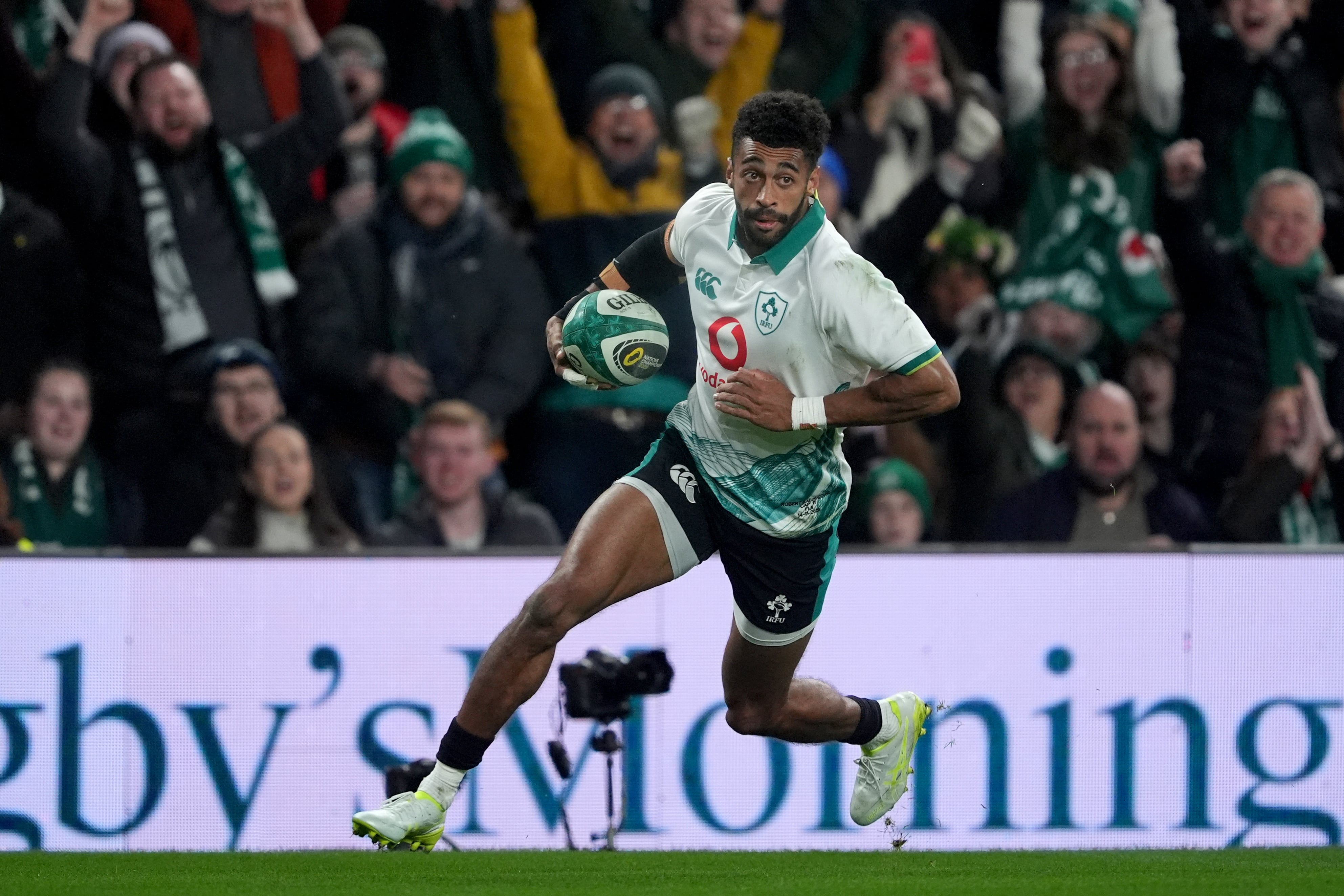


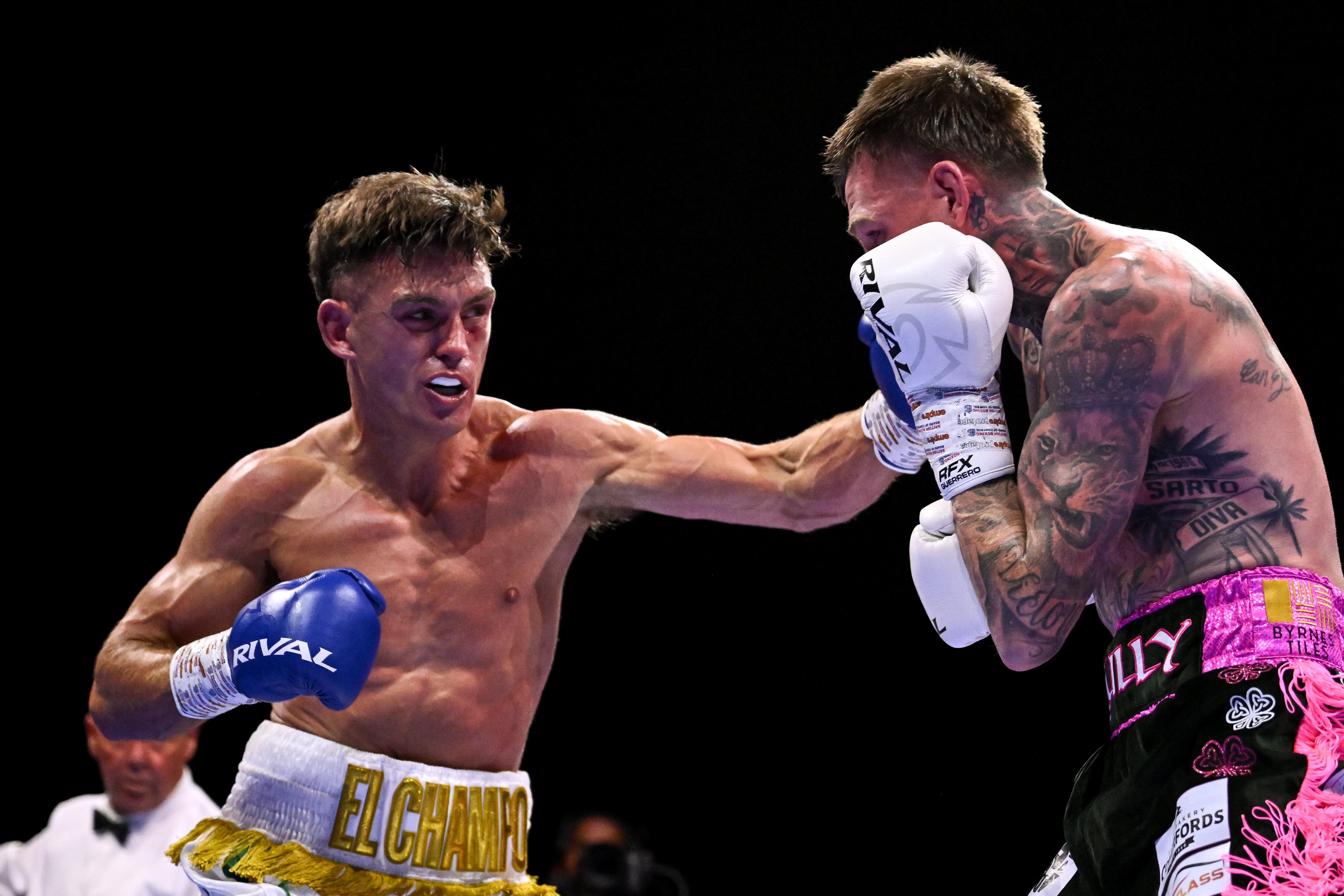
Of course he knew. Dunbar has broken his left collarbone twice before, starting back in 2015, followed by his right one in 2016. He’s also endured various fractures of his ribs, wrists, shoulder, and ankle, one case of severe concussion, plus other less visible mental scars which at age 30 were starting to prove more difficult to tolerate that any physical pain or toil.
“Thankfully the big stage win, the day before, makes the crash a bit easier to take, for sure,” he says. “But there’s always an element of frustration, and it certainly was a rollercoaster few days. Winning a stage on Friday, crashing out the next day. But if it was going to happen to any rider, it was probably going to happen to me. With the luck I’ve had over the years.”
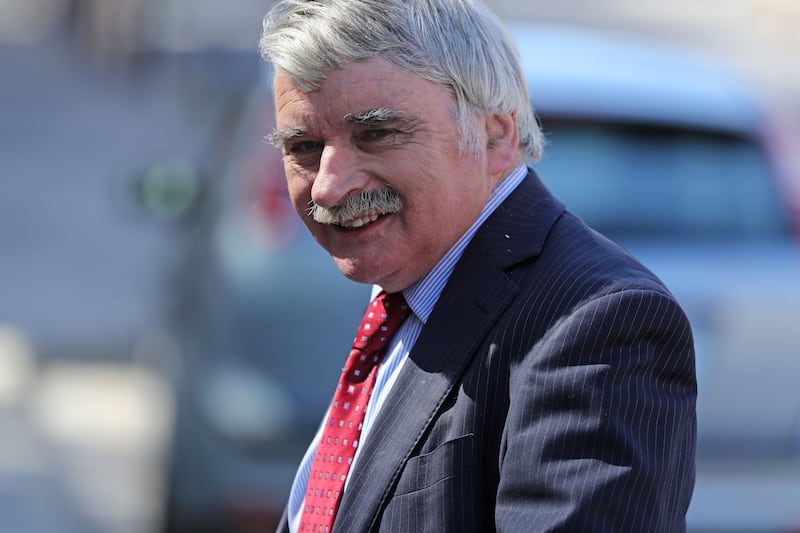
Dunbar is telling me this from the family home in Banteer, in north Cork. Shortly after confirmation of his collarbone break last Saturday, he contacted Dr Hannan Mullett at the Santry Sports Clinic in Dublin, who booked him in for the Monday. Another 24 hours after that, he was home in Cork, spending this week with his family, before returning to Monaco, his home for the last seven years, to possibly plan a few end-of-season races.
“The collarbone break is definitely not as serious as it used to be 10 years ago,” Dunbar says. “Hannan Mullet did the same surgery on my right side, did a great job, and I was back riding the Rás two weeks later. So I’m well on the road to recovery already, and definitely thinking more about the stage victory, than the crash. Especially after the last couple of years that I’ve had.”
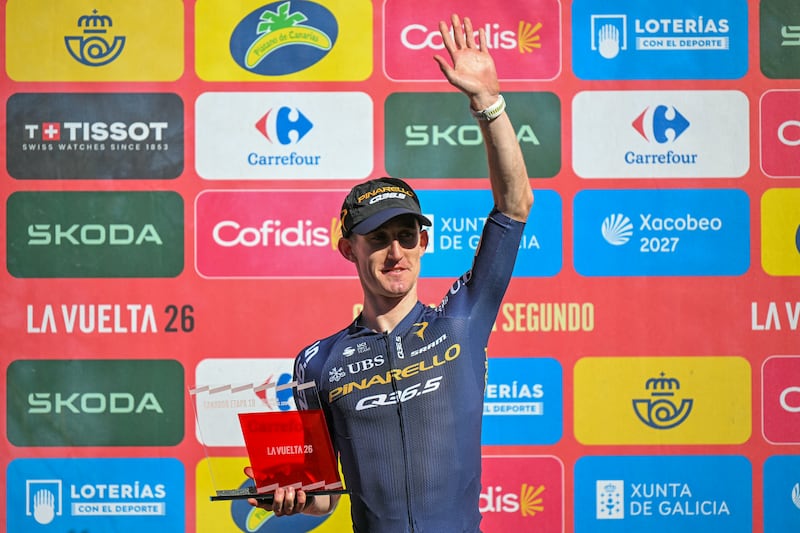
Indeed Dunbar’s previous win on the bike was in the 2024 Vuelta, starting with his spectacularly timed surge from the breakaway to win Stage 12, followed by another convincing summit victory to Picón Blanco on Stage 20. He had big ambitions for his first Tour de France start last year, hints of that coming when he finished fourth on Stage Six, won by Irish team-mate Ben Healy. The following day Dunbar crashed, just 6km short of the stage finish, sustaining a wrist injury which ended his Tour.
“The first Grand Tour stage win is always special,” Dunbar says. “Both those Vuelta stage wins in 2024 were pure relief, really. Last Friday, it was pure enjoyment. They’re all hard, but this was also more unexpected, a completely different feeling. A lot more emotional than two years ago.
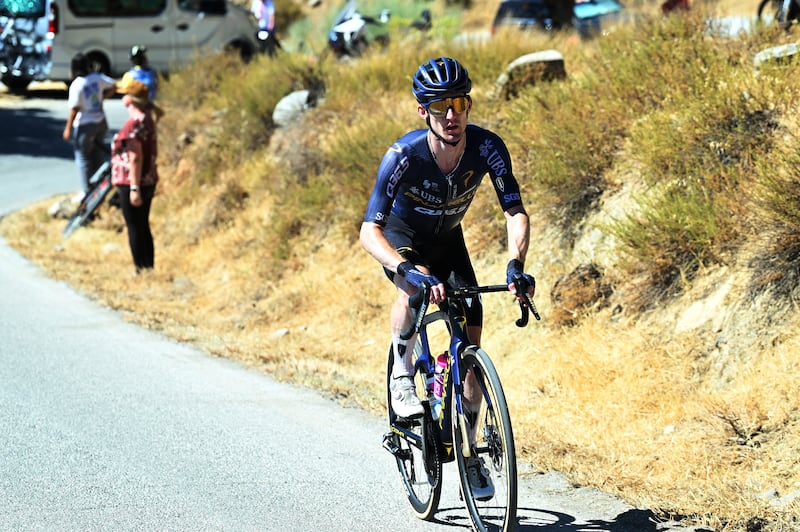
“At one point, I did think I’d left it too late. Then we turned one corner, I could see Santiago Buitrago was suffering quite a bit, he was fighting the bike. I wasn’t at that point yet. I knew I’d one good effort left in me, was saving that to try win the stage, rather than use it when it wasn’t going to make a difference.
“In previous Grand Tours I’ve nearly always got better as the weeks went on, but everything just fell into place. You saw how much it meant to the other team riders, and staff, because that’s every team’s goal going into a Grand Tour.”
Those other riders and staff also knew exactly what Dunbar had been through in the previous six months. His problems started when he crashed on Stage Two of Paris-Nice back on March 9th, finishing the stage and the subsequent team time trial, before withdrawing the next morning, returning to Monaco.
The following day, Dunbar headed out for a leisurely cycle with his partner Niamh, riding a city tourist bike, when he was hit side-on by a scooter.
“It was one of those big scooters, so more or less a motorbike,” Dunbar says. “I was turning left, he hit me side on at a fair lick, probably going a bit faster than he should have. We didn’t think it was that serious, at the start, but I was back to the specialist five or six times. With the impact on the ankle and tibia, the bone wasn’t fully fractured, but there was severe bone bruising, so I couldn’t even walk properly. And ended up almost three months in the protective boot.”
That resulted in what Dunbar says was the most difficult period of his cycling career. Such was the lingering pain in his ankle and lower leg it was a struggle to get out of bed, and he also reached a stage where he couldn’t look at his bike.
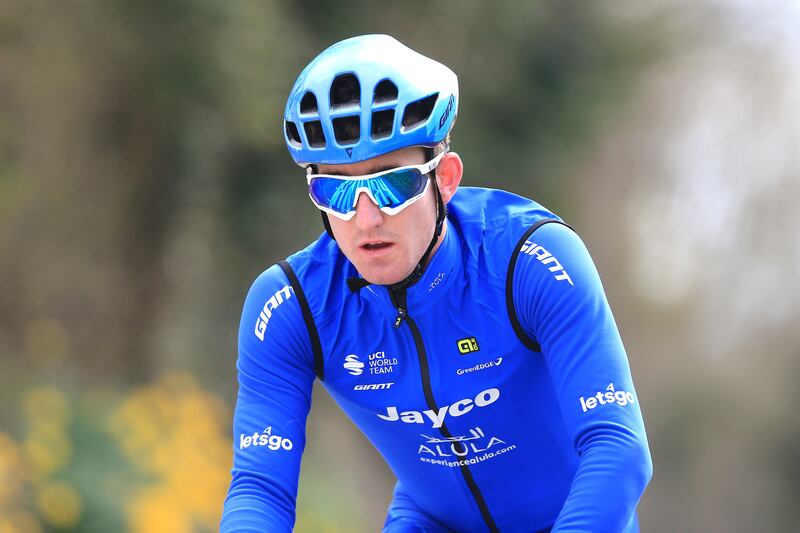
“I’ve worked with a few different sports psychologists, especially after the accident in March. And definitely, there were times in April and May, when I was very close to stopping. Very, very close. I’d got to the point where I was quite content with that too.
“Just to stop, do something different, where I didn’t have to be hurting all the time, mentally and physically. You end up turning into somebody you don’t want to be. It’s all well and good to keep coming back, then have another setback. But there’s only so much of that you can take, before you say, ‘this is enough’. And I’d almost got to that point this year, for sure. Not already thinking about life after cycling, but certainly stepping back, taking a long break.”
Slowly, fortunes started to turn. After three months off the bike, he was back on the indoor trainer by the end of May, before almost four months to the day after the Monaco incident, he raced again at the Sibiu Tour in Romania.

“It was a slow build-up, the pain started to go away. But I just took it week by week, made a good plan with my coach, Théo Ouvrard. Then went to the Vuelta a Burgos, in Portugal in August, got an absolute kicking there. That was a proper level up, but at the same time that’s what I needed, to get the body going. After that there was talk the team mightn’t even bring me to the Vuelta, for good reason as well.
“Thankfully it didn’t come to that, they stuck with me. But I was confident I’d a good enough training block, would always back myself going into a Grand Tour.
“I’ve honestly lost track of all the crashes now. For most of them, there’s nothing you can do, you’ve no control over them. It’s weird, I just seem to find myself on the wrong side more than others. But I’m thinking more about the stage win, that’s important, because mentally and physically, all the accidents do take a toll.
“And I’ve love to go back to the Tour de France. Especially the way it ended last year, I feel I’ve a bit of unfinished business there. Just go there in top shape, be competitive in stages, maybe make it to finish in Paris the next time.”