Forty years ago, in The Party: Inside Fianna Fáil (1986), Dick Walsh, political editor of The Irish Times, tried to get the measure of the “slightly constitutional party” that had dominated southern politics for more than half a century. Fianna Fáil had set out, he averred, “with the hope of founding a republic and ended up a partitionist party in a 26 county state. But those who imagined it would die or be rejected by the electorate if its deepest ambitions were not achieved are confounded by its strength and resilience as it celebrates the 60th anniversary of its foundation”.
In the four decades since then, people have repeatedly predicted that Fianna Fáil would be rejected by the electorate and they too have been confounded. Among the horrors that its cumainn have swallowed are burying the hatchet with the Progressive Democrats, a succession of tribunals, crashing the economy, going into coalition with Fine Gael and failing to resolve the housing crisis.
For sure, some of the faithful have departed – to the left and right – and its election workers are not young. But, as Brian Cowen, first elected to the Dáil two years before Walsh’s book appeared, asks rhetorically on the cover of Gary Murphy’s Brian Cowen: Anatomy of a Taoiseach, “Fianna Fáil isn’t f**king dead yet, is it?”.
No, it is not. It climbed out of the electoral grave it dug for itself with the financial crash: 20 seats in the 2011 general election, 44 seats in 2016, and clawing its way back to 48 seats in 2024 – a far cry from the 81 it held in 2002, but no mean achievement for Micheál Martin. “He is not the great survivor of Irish politics for nothing,” as Cowen remarks in the book.
READ MORE



Will ceding to Fine Gael the prudent position that the State should start planning for reunification be a bridge too far? Probably not. The Soldiers of Destiny have trooped across many bridges. They will likely march over this one kicking that rusty tin can before them. But the young people might ask, “What are they marching for?”
Cowen himself was taoiseach when the economy hit the buffers and he had been minister for finance when economists’ warnings that the government needed to catch itself on went unheeded. And then Cowen took over and the crash came and the end of his political career was, in large part, a consequence of that crash and his handling of it.
No fair-minded person would deny that Cowen was an unfortunate taoiseach, nor would such a person dispute that much of his misfortune was of his own making. “Events, dear boy, events” doesn’t get you far when you have been architect, builder and concierge of those “events”.
Anatomy of a Taoiseach is a puzzling subtitle. It suggests that Cowen’s tenure as taoiseach is the concern. But the book offers “an examination of his political life and legacy”, that is, his 27-year political career, from his ascent to the Dáil in 1984, and not simply his 1,036 days as taoiseach.
Curiously, it is a “political life” with little on the life of the politician. Yes, there are some facts. His father, Ber, was an auctioneer, butcher, publican and undertaker, leading some wag to quip that the Cowens would house you, feed you, water you, and bury you. And he ran these businesses while serving on the county council and in Leinster House. The middle child of three, Brian attended primary school in Clara, and boarded in Roscrea. He excelled academically and in debate. And he excelled too on the sports field, making the Offaly senior football panel and coming close to playing schoolboy rugby for Leinster. After studying law in University College Dublin, he opened a solicitor’s practice in Tullamore before being elected TD, after Ber’s death aged only 51.
Those details are in the first 36 pages of a book that runs to more than 360. Missing is what shaped Cowen. What was it like growing up in a well-to-do family in a provincial town in the 1960s and 1970s? What was the political culture of his father’s house? What were its values and how did they change as Fianna Fáil changed through the arms trial, the Jack Lynch years and Charles Haughey years?
Murphy describes the household as “nationalist”. How did the Cowens’ nationalism express itself? By singing songs? He writes of Cowen’s “devotion” to Fianna Fáil and insists that it “means everything to him”, but nowhere does he explain how the party came to mean so much to him. And one scarcely glimpses the constituency politician; how did Cowen win votes?
Anatomy of a Taoiseach is a well-paced account of Cowen’s public life. Future historians, with recourse to more sources, will offer a deeper analysis of his leadership. But na gnáth-daoine – the ordinary people whom Cowen purported to serve – would benefit from a book that looks less at the end and more at the beginning, a book about the making of the man that might explain, at least in part, some mistakes that the man made. And mistakes too made by ourselves, na gnáth-daoine, the electorate.
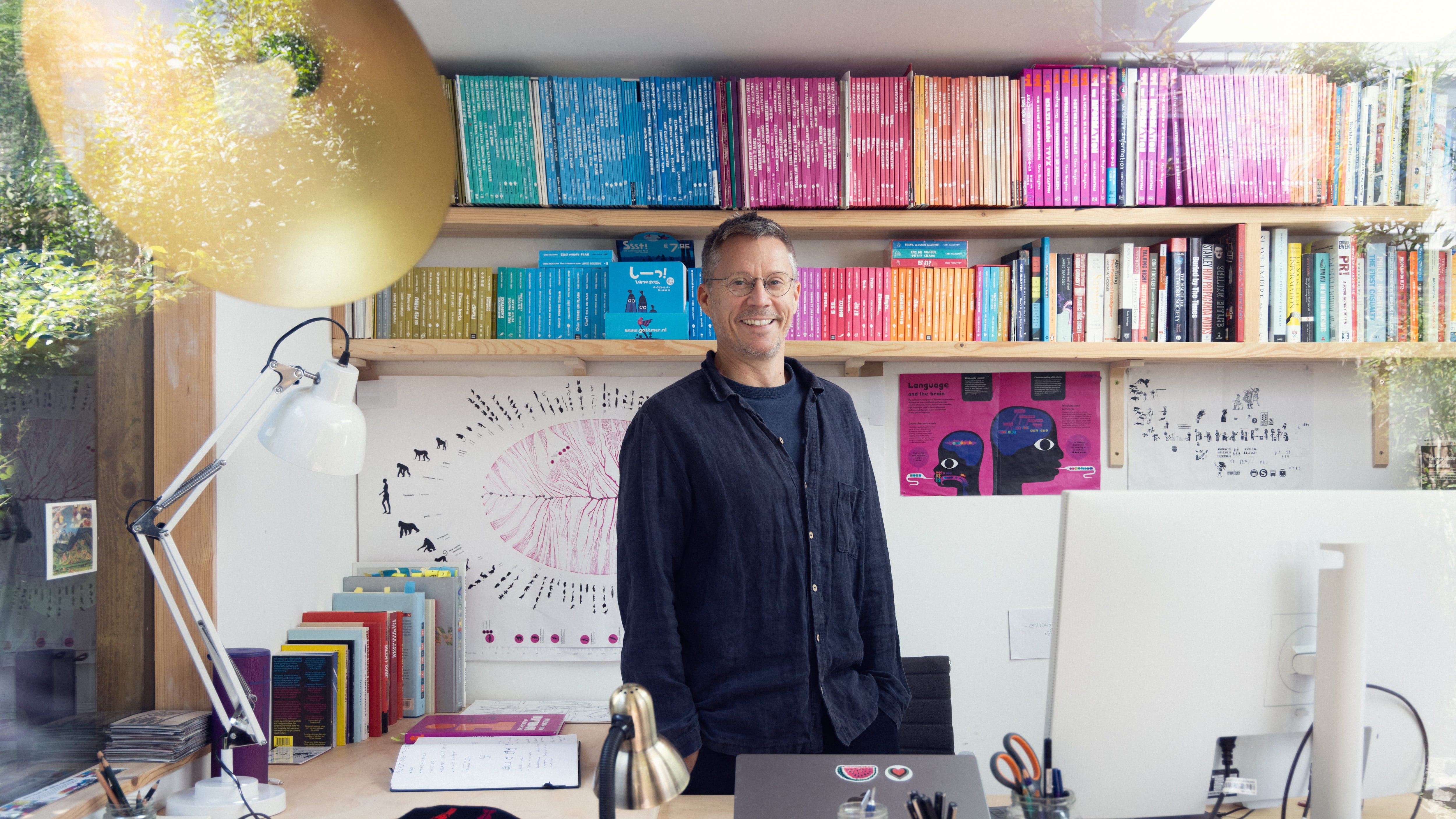
Breandán Mac Suibhne is an author and professor of history at University of Galway